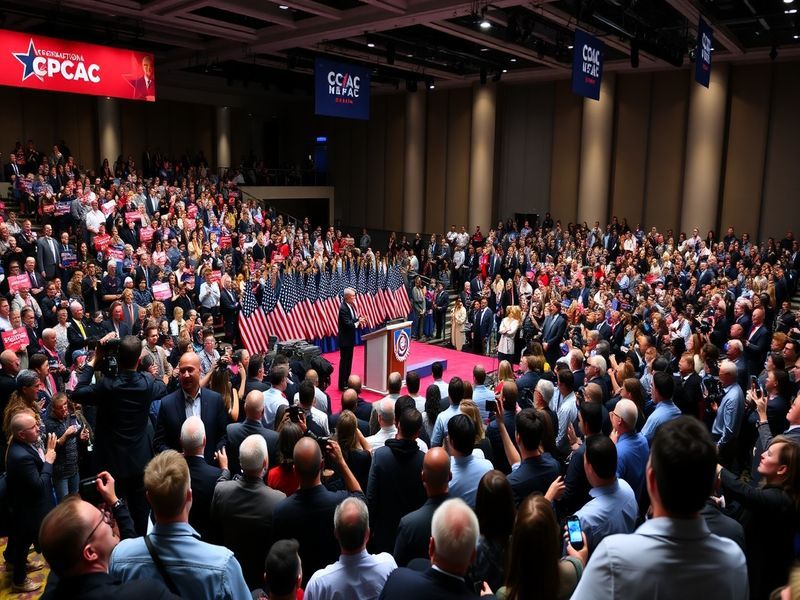
Understanding CPAC: An Overview
The Conservative Political Action Conference (CPAC) is an annual political event that showcases conservative voices, policies, and ideas. Established in 1974, this gathering has become a pivotal platform for conservative activists, politicians, and organizations to discuss and promote their agenda. While it originated in the United States, CPAC has expanded its reach globally, influencing conservative movements in various countries.
The Evolution of CPAC
Initially, CPAC served as a forum primarily for American conservatives. Over the decades, it has evolved significantly, reflecting the changing dynamics of the political landscape. The conference has attracted prominent figures, including U.S. presidents, senators, and influential conservative commentators.
In recent years, CPAC has embraced a more international focus. Events have been held in countries like Japan, Australia, and Poland, showcasing a growing interest in conservative ideologies worldwide. This expansion reflects a shared desire among conservative groups to unite and amplify their message across borders.
Key Features of CPAC
CPAC is characterized by several key features that set it apart from other political gatherings:
- Speakers and Panels: The event typically features a lineup of high-profile speakers, including politicians, activists, and thought leaders. These individuals share insights on pressing issues and strategies for advancing conservative policies.
- Networking Opportunities: CPAC serves as a networking hub for conservatives. Attendees can connect with like-minded individuals, organizations, and potential allies.
- Exhibitions: Various booths and exhibitions are set up to promote conservative organizations, publications, and campaigns. This provides attendees with resources and information.
- Workshops and Training Sessions: CPAC often includes workshops designed to educate attendees on effective political strategies, grassroots organizing, and media engagement.
Global Impact and Cultural Context
The influence of CPAC extends beyond the United States. In many countries, conservative movements have drawn inspiration from the ideas and strategies presented at the conference. For instance, the Polish edition of CPAC has attracted significant attention, highlighting the rise of right-wing politics in Central and Eastern Europe.
This global expansion has fostered a sense of solidarity among conservative groups. They share common challenges, such as combating progressive ideologies and addressing economic concerns. The exchange of ideas at CPAC helps to strengthen these movements, creating a more unified front against perceived threats to traditional values.
Furthermore, CPAC’s emphasis on social media and digital engagement resonates with younger conservatives. The event’s ability to adapt to modern communication methods has allowed it to maintain relevance in a rapidly changing political environment.
Conclusion: The Future of CPAC
As CPAC continues to grow and adapt, its role in shaping the future of conservative politics cannot be understated. The conference not only serves as a platform for American conservatives but also as a beacon for those advocating similar ideologies around the globe. By facilitating discussions, networking, and idea exchange, CPAC plays a crucial role in the ongoing evolution of conservative thought.
For anyone interested in the intricacies of politics, understanding CPAC offers valuable insights into the workings of conservative movements and their impact on society. Whether you are a seasoned political observer or a newcomer, the discussions and ideas presented at CPAC are essential for grasping the current political climate.
For more insights on current events and political movements, visit our Politics section or explore the latest trends in News.