Understanding the Houthis: Origins and Ideology
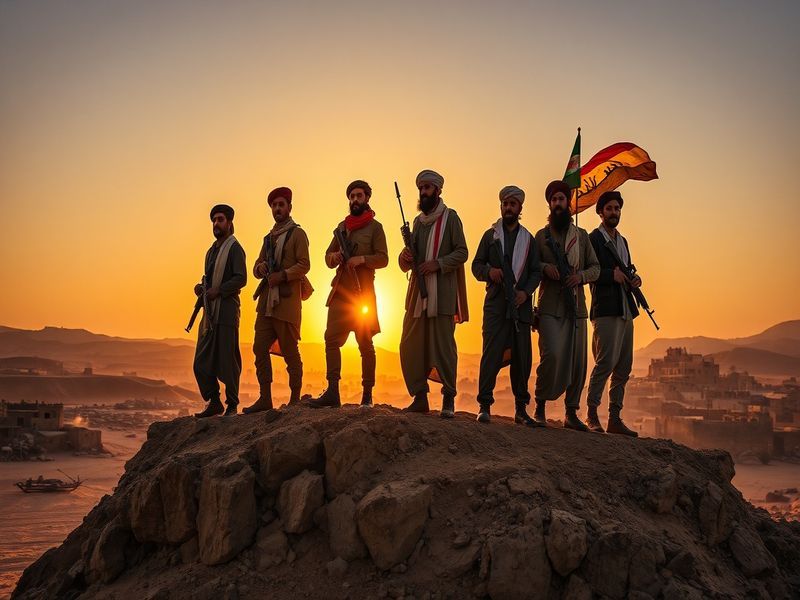
The Houthis, officially known as Ansar Allah, are a political and armed movement originating from Yemen. Their roots can be traced back to the early 1990s, emerging from the Zaidi sect of Shia Islam. Initially, the group sought to address socio-economic grievances and cultural rights for the Zaidi community, which had felt marginalized by the Yemeni government.
Over the years, the Houthis have evolved from a local group advocating for Zaidi interests to a significant player in Yemen’s complex political landscape. Their ideology combines elements of nationalism and Islamism, advocating for a Yemen free from foreign intervention and influence.
The Yemeni Civil War: A Turning Point for the Houthis
The Houthis gained international attention during the Yemeni Civil War, which escalated in 2015. Their takeover of the capital, Sana’a, marked a pivotal moment. The conflict has drawn in various regional powers, turning Yemen into a battleground for broader geopolitical struggles.
Key factors contributing to the Houthis’ prominence in the war include:
- Support from Iran, which has provided military and logistical assistance.
- The weakening of the Yemeni government, which struggled with internal divisions and corruption.
- Widespread discontent among the Yemeni populace, fueled by years of economic hardship and political instability.
The Humanitarian Crisis: Impact on Civilians
The ongoing conflict has led to one of the worst humanitarian crises in the world. Millions of Yemenis face food insecurity, lack of medical care, and displacement due to the war. The Houthis’ control over significant territories has complicated aid distribution, as they impose restrictions on humanitarian organizations.
Reports indicate that the Houthis have been involved in various human rights violations, including:
- Targeting civilians during military operations.
- Imposing strict controls over media and free expression.
- Using child soldiers in their ranks.
Despite these allegations, the Houthis maintain that their actions are a legitimate response to foreign aggression and interference, particularly from Saudi Arabia and its allies. This narrative has garnered them some local support, as they position themselves as defenders of Yemen against external threats.
International Reactions and Future Prospects
The international community’s response to the Houthis has been mixed. While some countries, particularly in the Gulf region, view them as a terrorist organization, others, including Iran, have supported their cause. Diplomatic efforts to resolve the conflict have often faltered, with peace talks yielding limited results.
Looking ahead, the future of the Houthis and Yemen as a whole remains uncertain. Several scenarios could unfold:
- Continued stalemate, leading to prolonged suffering for the civilian population.
- Potential for renewed peace negotiations, though trust remains low among the involved parties.
- Increased regional tensions, especially if Iran and Saudi Arabia continue to vie for influence in Yemen.
As the situation develops, the Houthis will likely remain a central figure in Yemen’s political discourse. Their ability to adapt to changing circumstances will determine their role in shaping the future of the country.
For further insights on global conflicts and their implications, visit our News and Analysis sections.
In conclusion, the Houthis represent a complex intersection of local grievances, regional power struggles, and international interests. Understanding their origins, motivations, and the broader context of the Yemeni Civil War is essential for anyone looking to grasp the intricacies of this ongoing conflict.