The Japanese Grand Prix: A Historic Race in Formula 1
The Japanese Grand Prix has long stood as a significant event in the Formula 1 calendar. Known for its unique blend of challenging circuits, passionate fans, and a rich history, the race attracts motorsport enthusiasts from around the globe. Held at various venues over the years, it has become synonymous with thrilling moments and unforgettable performances.
Iconic Circuits: Suzuka and Fuji
Two circuits have defined the Japanese Grand Prix: Suzuka and Fuji. Each has its own character and set of challenges, contributing to the race’s storied legacy.
- Suzuka Circuit: A favorite among drivers, Suzuka is known for its figure-eight layout and technical sections. The circuit’s challenging turns, such as the famous “S” curves, test the skill and precision of drivers. It has been the site of many memorable races, including the dramatic 2005 showdown between Kimi Räikkönen and Michael Schumacher.
- Fuji Speedway: Known for its breathtaking views of Mount Fuji, this circuit offers a different challenge. The long straights and tight corners create opportunities for overtaking, making for exciting races. Although it has hosted fewer events than Suzuka, its scenic backdrop and unique layout have left a lasting impression on fans.
Memorable Moments in Japanese Grand Prix History
The Japanese Grand Prix has delivered countless memorable moments that have shaped the sport. Here are a few highlights:
- Senna vs. Prost (1989): This infamous collision at Suzuka not only decided the championship but also marked a turning point in the rivalry between two of F1’s greatest drivers.
- Schumacher’s Dominance (2002): Michael Schumacher clinched his fifth title at Suzuka, solidifying his status as a legend in the sport. His performance that year showcased unparalleled skill and consistency.
- Hamilton’s Rain Masterclass (2007): Lewis Hamilton emerged victorious in a rain-soaked race that tested the limits of both drivers and teams. His ability to navigate the treacherous conditions demonstrated his exceptional talent.
The Fan Experience: Passionate Supporters
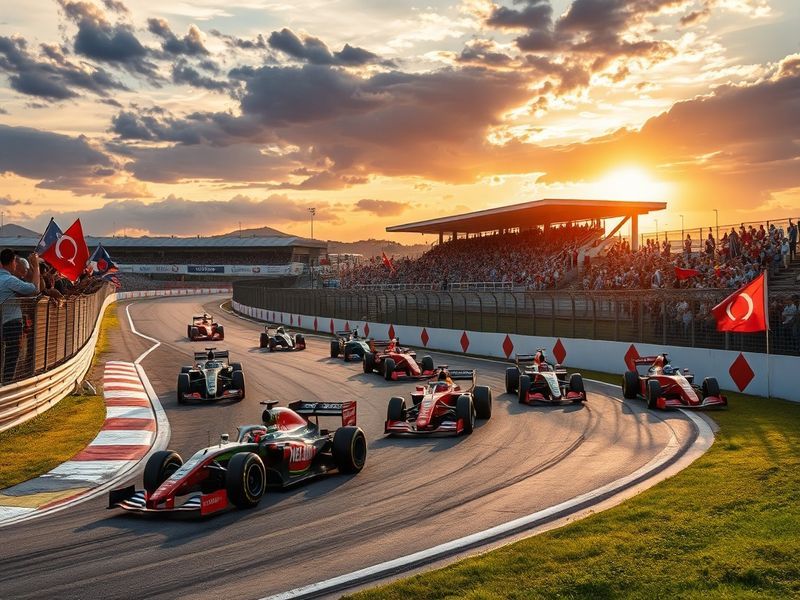
The atmosphere at the Japanese Grand Prix is electric, with fans showing unwavering support for their favorite teams and drivers. The Japanese crowd is known for its enthusiasm and respect for the sport. This creates a unique environment that enhances the experience for all attendees.
Many fans arrive days in advance, participating in various events and activities surrounding the race. From merchandise stalls to fan zones, there is no shortage of excitement. This sense of community is palpable, as fans cheer on their heroes and celebrate the sport they love.
Looking Ahead: The Future of the Japanese Grand Prix
As Formula 1 evolves, the Japanese Grand Prix faces new challenges and opportunities. The growing popularity of the sport in Asia has prompted discussions about the future of the race. With the increasing investment in motorsport infrastructure and fan engagement, the potential for the Japanese Grand Prix to thrive remains strong.
Moreover, the introduction of new technologies and sustainability initiatives in racing could help shape the future of the event. As the sport moves towards more eco-friendly practices, the Japanese Grand Prix may play a pivotal role in this transition.
In conclusion, the Japanese Grand Prix is a hallmark of Formula 1, blending a rich history with thrilling racing and passionate fans. As it continues to evolve, the event will undoubtedly remain a highlight on the F1 calendar, celebrating the spirit of motorsport for years to come.