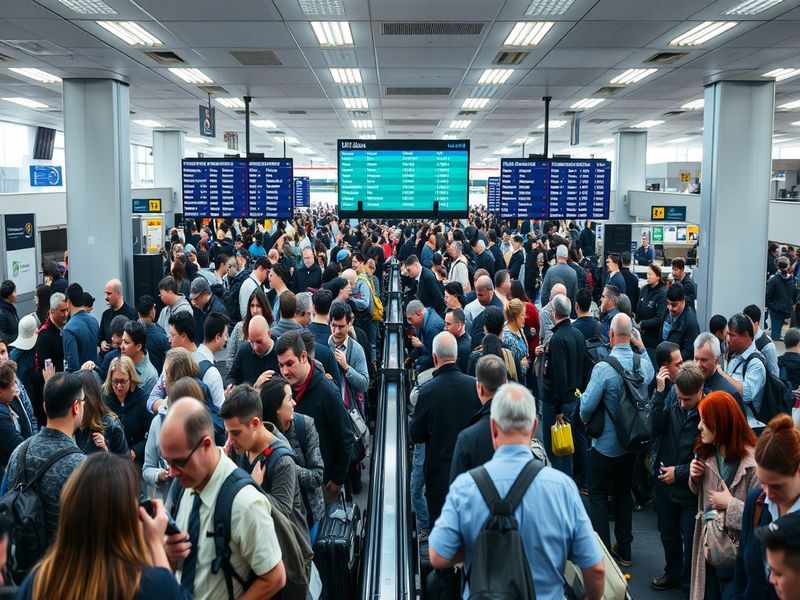
Understanding TSA Funding: An Overview
The Transportation Security Administration (TSA) plays a critical role in ensuring the safety of air travel in the United States. Established in response to the events of September 11, 2001, the TSA is responsible for securing the nation’s transportation systems. However, the agency’s funding has been a topic of ongoing discussion and scrutiny. This article delves into the various aspects of TSA funding, its sources, and the implications for air travel security.
Sources of TSA Funding
TSA funding primarily comes from two main sources: congressional appropriations and passenger security fees. Understanding these sources is essential for grasping the financial framework that supports airport security operations.
- Congressional Appropriations: The TSA receives a significant portion of its budget from federal appropriations, which are allocated annually during the federal budget process. This funding is vital for covering operational costs, personnel salaries, and equipment purchases.
- Passenger Security Fees: These are fees collected from airline passengers and included in ticket prices. The funds are dedicated to enhancing security measures at airports, including advanced screening technologies and additional personnel.
The Budget Allocation Process
The process of budget allocation for the TSA is complex and involves multiple stakeholders. The agency submits its budget requests to Congress, which reviews and modifies these requests based on various factors, including national security needs, economic conditions, and public safety priorities.
In recent years, there has been increased scrutiny of how TSA funds are utilized. Critics argue that a lack of transparency in budget allocation can lead to inefficiencies and mismanagement. For instance, some funds may be directed towards outdated technologies rather than investing in innovative solutions that enhance security.
Challenges and Opportunities in TSA Funding
While the TSA has made significant strides in improving airport security, challenges remain in securing adequate funding. The agency often faces budget constraints that can hinder its ability to implement necessary upgrades and maintain high-security standards.
Some of the key challenges include:
- Budget Cuts: In times of economic downturn, federal budgets can be tight, leading to cuts in TSA funding. Such cuts can impact personnel hiring and training, as well as technology upgrades.
- Technological Advancements: As threats evolve, the TSA must continually adapt its security measures. This requires ongoing investment in new technologies, which may not always be guaranteed with current funding structures.
- Public Perception: The TSA’s funding is often influenced by public opinion and media scrutiny. High-profile security breaches can lead to calls for increased funding, while perceived inefficiencies can result in budget cuts.
Despite these challenges, there are opportunities for the TSA to enhance its funding. Engaging with stakeholders, including airlines and airport authorities, can lead to collaborative funding initiatives. Additionally, exploring alternative funding models, such as public-private partnerships, may provide the TSA with additional financial resources.
Conclusion
TSA funding is a critical component of maintaining air travel security in the United States. Understanding the sources of funding, the budget allocation process, and the challenges faced by the agency is essential for grasping the complexities of airport security. As threats to transportation systems evolve, so too must the funding strategies that support the TSA’s mission. Ongoing dialogue among stakeholders, innovative funding solutions, and a commitment to transparency will be key in ensuring that the TSA can effectively safeguard the nation’s transportation networks.