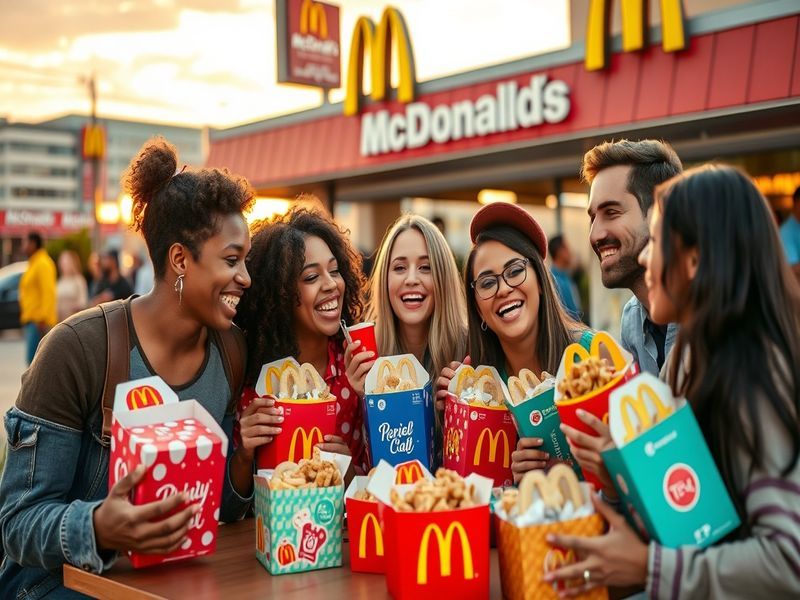
McDonald’s has long been associated with childhood nostalgia, but in recent years, the fast-food giant has pivoted toward a decidedly more mature audience. The introduction of Adult Happy Meals—complete with upscale ingredients and trendy packaging—represents more than just a marketing tactic. It reflects shifting consumer habits, the blurring of generational boundaries, and a savvy response to the demand for convenience without sacrificing perceived quality.
The concept isn’t entirely new. McDonald’s has experimented with adult-oriented versions of its classic offerings before, but the current wave of Happy Meals for grown-ups is part of a deliberate strategy to capitalize on nostalgia while meeting the expectations of older demographics. From Japan’s limited-edition collaborations to France’s gourmet twists, these meals are redefining what fast food can be for those who grew up with the brand but now have different tastes—and disposable income.
The Origins of the Adult Happy Meal
The idea of an Adult Happy Meal first gained traction in Asia, where fast food is often seen as a status symbol rather than a budget-friendly option. In Japan, McDonald’s has partnered with local brands to create exclusive, high-end Happy Meal experiences. One notable example is the “McDonald’s × Pokémon Center” collaboration, where fans could purchase meals featuring premium ingredients like black pepper sauce and premium beef patties—packaged in collectible Pokémon-themed boxes.
Europe soon followed suit. In France, McDonald’s introduced the “Happy Meal Classique”, a nostalgic throwback to the original 1979 meal but with a modern twist: artisanal buns, high-quality beef, and a side of truffle-infused fries. The campaign was marketed as a way for adults to reconnect with their childhood while enjoying a meal that felt sophisticated enough for a dinner party. The strategy worked. Sales surged, and the concept spread to other European markets, including the UK and Germany.
In the United States, McDonald’s took a different approach. Rather than focusing on premium ingredients, the chain leaned into nostalgia with retro-themed packaging and limited-time offerings. The “Adult Happy Meal” in the U.S. often features throwback toys, like mini vinyl records or collectible trading cards, paired with a full-sized burger, fries, and a drink. The goal? To tap into millennial and Gen X memories while offering a meal that feels like a treat rather than a guilty indulgence.
Why Adults Are Embracing Happy Meals
At first glance, the idea of adults ordering a Happy Meal might seem absurd. Why would someone who can afford fine dining opt for a kid’s meal? The answer lies in a combination of psychological and cultural factors.
- Nostalgia as a Marketing Tool: For millennials and older Gen Z consumers, Happy Meals are tied to childhood memories. Brands leverage this emotional connection to create a sense of comfort and familiarity. The packaging, toys, and even the meal itself trigger a subconscious return to simpler times.
- Convenience Without Compromise: Adults today are busier than ever, and while they may crave convenience, they don’t want to sacrifice quality. McDonald’s Adult Happy Meals offer portion sizes and meal formats that align with adult appetites—just without the frills of a full-service restaurant.
- The Rise of “Fun Food”: Social media has played a significant role in the resurgence of playful dining experiences. From food trends like cloud bread to viral TikTok meals, consumers are increasingly drawn to meals that are photogenic and shareable. Adult Happy Meals fit this trend perfectly, offering a visually appealing package that’s easy to document online.
- Collectibility and Social Status: Many Adult Happy Meals come with exclusive toys, trading cards, or packaging that encourages collecting. In cultures where limited-edition items hold social currency—such as Japan and South Korea—these meals become more than just food. They’re status symbols.
The trend also reflects a broader shift in how people view fast food. Once seen as a guilty pleasure, fast food is increasingly being normalized as a legitimate dining option—especially when it’s repackaged in a way that feels tailored to adults. McDonald’s isn’t alone in this strategy; other chains like Burger King and Wendy’s have also experimented with adult-oriented meal bundles, but none have executed it with the same cultural impact.
Cultural Variations: How Different Countries Adapt the Concept
The Adult Happy Meal isn’t a one-size-fits-all concept. Around the world, McDonald’s has tailored the idea to fit local tastes, cultural norms, and economic realities. Here’s how the trend plays out in different regions:
- Japan: Premium Collaborations and Limited Editions
In Japan, where exclusivity drives consumer behavior, McDonald’s often partners with local brands to create highly coveted Adult Happy Meals. Recent collaborations include:
- Pokémon × McDonald’s: Featuring premium beef patties and collectible Pikachu-themed boxes.
- Anime and Manga Tie-Ins: Limited-edition meals tied to popular series like “Demon Slayer” and “Jujutsu Kaisen,” often including themed toys and packaging.
- Local Ingredients: In some regions, McDonald’s offers meals featuring Wagyu beef or matcha-flavored desserts to cater to Japanese palates.
- France: Gourmet Twists on a Classic
France’s take on the Adult Happy Meal is all about sophistication. The “Happy Meal Classique” includes:
- Artisanal buns made with traditional French techniques.
- Upgraded sides like truffle fries or a charcuterie-style snack wrap.
- Packaging designed to resemble a vintage French café menu.
The campaign positions McDonald’s as a place where adults can enjoy a “haute cuisine” experience without leaving the drive-thru lane.
- United States: Nostalgia-Driven Offerings
In the U.S., the focus is on nostalgia. Recent Adult Happy Meal campaigns have included:
- Retro Toys: Mini vinyl records, trading cards, and even small board games.
- Throwback Meals: Burgers and fries styled after meals from the 1980s and 1990s.
- Digital Collectibles: QR codes linking to exclusive online content, appealing to Gen Z’s digital-first mindset.
- Brazil and Latin America: Affordable Luxury
In markets where fast food is still seen as a treat, McDonald’s offers Adult Happy Meals at a slightly higher price point but with added value. For example:
- Premium Sides: Options like Caesar salad or grilled chicken instead of fries.
- Local Flavors: Meals featuring Brazilian cheese bread or Mexican-style nachos.
- Family-Style Bundles: Larger portions designed for sharing, catering to Latin America’s strong family dining culture.
The Business Behind the Trend: Why It Works
From a business perspective, the Adult Happy Meal is a masterclass in segmentation and revenue maximization. Here’s why the strategy is paying off:
- Higher Margins: Adult meals typically come with higher price points than their kid-oriented counterparts. Even a small increase in price per meal can lead to significant revenue growth when scaled across thousands of locations.
- Brand Loyalty: By appealing to adults who grew up with McDonald’s, the chain reinforces its position as a lifelong brand—not just a childhood memory.
- Cross-Generational Appeal: The meals attract parents who want to share a nostalgic experience with their kids, creating a multi-generational customer base.
- Data Collection: Limited-edition meals and collectible toys encourage customers to engage with the brand online, providing McDonald’s with valuable data on consumer preferences and behaviors.
However, the trend isn’t without risks. Some critics argue that the Adult Happy Meal is just another example of “kidult” culture—the blurring of lines between childhood and adulthood that can feel forced or inauthentic. Others question whether the concept is sustainable long-term, as consumer tastes continue to evolve toward healthier or more adventurous dining options.
Yet, for now, the strategy appears to be working. McDonald’s reported a 6% increase in same-store sales in key markets after rolling out Adult Happy Meals, proving that nostalgia and convenience still hold significant power in the fast-food industry.
What’s Next for Adult Happy Meals?
As McDonald’s continues to refine its approach, the future of Adult Happy Meals may involve even more personalization and tech integration. Potential developments include:
- AI-Powered Customization: Imagine an app where customers can design their own Adult Happy Meal, choosing ingredients, sides, and even packaging style.
- Subscription Models: A “Happy Meal of the Month” club where subscribers receive exclusive meals delivered to their doorstep.
- Sustainability Focus: Eco-friendly packaging and plant-based options to appeal to environmentally conscious adults.
- Augmented Reality Experiences: Using AR to bring toys to life or create interactive dining experiences tied to the meal.
One thing is clear: the Adult Happy Meal is more than just a fleeting trend. It’s a reflection of how brands must adapt to stay relevant in an era where