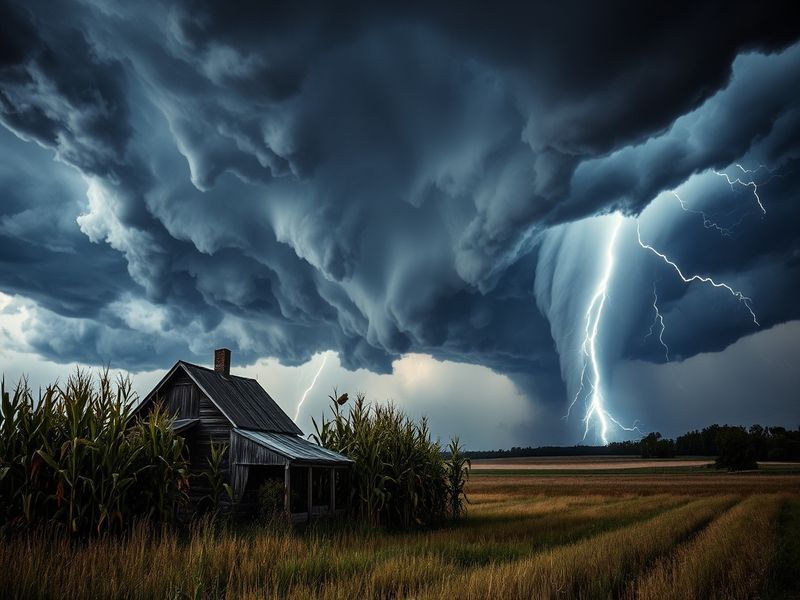
Tornadoes in Ohio: Patterns, Impacts, and Preparedness
Understanding Tornadoes in Ohio
Ohio, located in the Midwest, is no stranger to severe weather. Among the various weather phenomena that can affect the state, tornadoes stand out due to their sudden onset and destructive potential. Tornadoes are rotating columns of air that extend from thunderstorms to the ground, and they can cause significant damage to homes, infrastructure, and the environment.
In recent years, Ohio has experienced an increase in tornado activity, particularly during the spring and early summer months. This uptick raises concerns about public safety, preparedness, and the broader implications of climate change. Understanding the patterns and impacts of these storms is essential for residents and policymakers alike.
Tornado Patterns in Ohio
The state of Ohio typically sees around 15 tornadoes per year, with most occurring between April and June. The peak months coincide with the transition from winter to summer, when warm, moist air from the Gulf of Mexico meets cooler air from Canada, creating ideal conditions for severe thunderstorms.
- April: Often the month with the highest tornado frequency.
- May: Continues the trend with several significant tornado events.
- June: A steady decline in tornado occurrences.
These tornadoes can vary in strength, measured on the Enhanced Fujita Scale (EF Scale) from EF0 (weak) to EF5 (incredible). The majority of tornadoes in Ohio fall within the EF0 to EF2 range, but the potential for stronger storms remains a concern.
Impact of Tornadoes on Communities
The impact of tornadoes on Ohio communities can be profound. Damage to homes and businesses often leads to economic hardship, displacing families and disrupting local economies. The aftermath of a tornado can leave communities grappling with recovery for months or even years.
Key impacts include:
- Property Damage: Tornadoes can destroy homes, schools, and businesses, leading to significant financial loss.
- Injury and Loss of Life: Tornadoes pose a direct threat to human life, with injuries ranging from minor to fatal.
- Emergency Response: Local governments and emergency services must mobilize resources to assist affected areas, often stretching their capabilities.
- Psychological Effects: Survivors may experience trauma, leading to long-term mental health issues.
Community resilience plays a crucial role in recovery. Areas that have established preparedness plans and community support systems tend to bounce back more effectively after severe weather events.
Preparing for Tornado Season in Ohio
Residents of Ohio can take proactive steps to prepare for the possibility of tornadoes. Awareness and readiness can significantly reduce the risks associated with these storms. Here are some strategies for effective tornado preparedness:
- Stay Informed: Monitor weather forecasts and alerts through local news and weather apps.
- Create an Emergency Plan: Families should develop a plan that includes a safe location to seek shelter during severe weather.
- Build a Disaster Kit: Stock essential supplies, including food, water, medications, and first aid items.
- Practice Drills: Conduct regular tornado drills to ensure everyone knows what to do in case of an emergency.
Local organizations, including schools and community centers, can play a vital role in educating residents about tornado safety and preparedness. Engaging the community in these efforts fosters resilience and reduces the impact of future storms.
Broader Implications of Tornado Activity
The increase in tornado activity in Ohio reflects broader climate trends affecting the Midwest and beyond. Climate change is believed to influence the frequency and intensity of severe weather events. As temperatures rise and weather patterns shift, the potential for more extreme weather, including tornadoes, becomes a pressing issue for communities.
Policymakers must consider these trends when developing strategies for disaster preparedness and response. Investing in infrastructure, improving emergency services, and enhancing community education are essential steps to mitigate the risks associated with tornadoes and other severe weather events.
In conclusion, understanding tornadoes in Ohio is crucial for the safety and well-being of its residents. By recognizing the patterns, impacts, and preparation methods, communities can work together to strengthen their resilience against these powerful storms. As climate change continues to shape weather patterns, ongoing awareness and adaptation will be key to navigating the challenges ahead.