TSA Agents and the Government Shutdown: Impacts and Implications
TSA Agents and the Government Shutdown: A Closer Look
The possibility of a government shutdown raises significant concerns, not just for federal employees but also for the general public. Among the most affected are TSA agents, who play a crucial role in maintaining security at airports. Understanding the implications of a government shutdown on these agents is essential for grasping the broader effects on air travel and national security.
Impact on TSA Operations
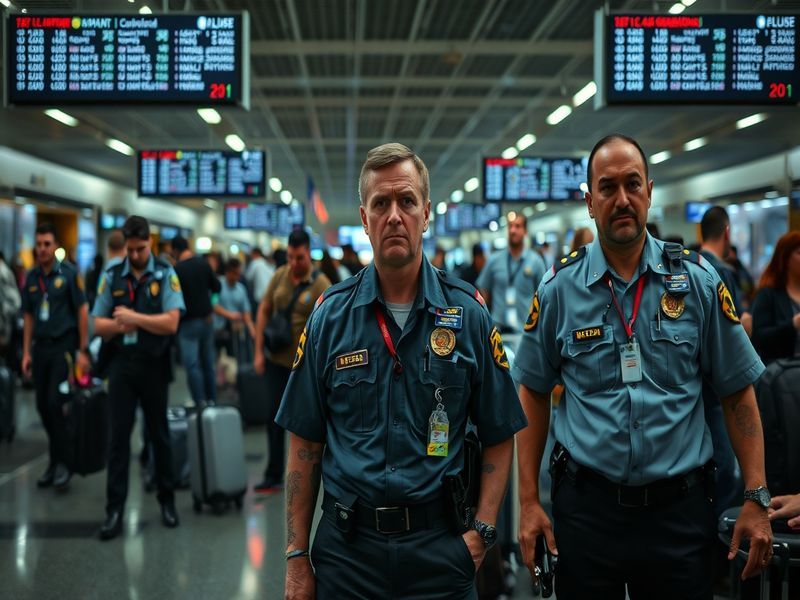
During a government shutdown, many federal employees are furloughed or required to work without pay. This situation creates immediate challenges for TSA agents, who are essential for ensuring the safety of millions of travelers daily. Here are some key points to consider:
- Increased wait times at security checkpoints due to staffing shortages.
- Potential delays and cancellations of flights as security measures could be compromised.
- Heightened stress levels among remaining TSA staff, which can impact their performance.
- Increased risk of security breaches as fewer agents are available to monitor checkpoints.
The operational strain on the TSA during a government shutdown can lead to a domino effect, impacting airlines, passengers, and the overall travel industry. With fewer personnel available, the efficiency of airport security is likely to decline significantly.
Historical Context of Government Shutdowns
Government shutdowns are not a new phenomenon in the United States. They have occurred multiple times over the past few decades, often tied to budgetary disputes between Congress and the President. The 2018-2019 shutdown, which lasted 35 days, serves as a recent example. During that period, TSA agents were required to work without pay, leading to high levels of anxiety and frustration within the workforce.
As history shows, the impact of a shutdown extends beyond the immediate consequences for federal employees. Travel disruptions can lead to economic losses for airlines and ancillary businesses reliant on travel, such as hotels and restaurants. The longer the shutdown lasts, the more pronounced these effects become.
Broader Implications for National Security
The implications of a government shutdown extend into the realm of national security. The TSA’s primary responsibility is to prevent threats to aviation safety. When agents are overworked or underpaid, the risk of lapses in security protocols increases. This situation can create vulnerabilities that could be exploited by malicious actors.
Moreover, the public perception of safety can be adversely affected. Travelers may feel uneasy knowing that security personnel are stretched thin. This perception can lead to a decrease in air travel, further harming the economy.
Conclusion
The potential impact of a government shutdown on TSA agents is multifaceted. It not only affects the agents themselves but also has broader implications for air travel and national security. As the situation unfolds, it is crucial for policymakers to consider the operational needs of the TSA and the safety of the traveling public.
Travelers and industry stakeholders must remain informed about developments regarding government funding and its effects on airport security. The stakes are high, and the consequences of a shutdown can ripple through various sectors of the economy.
For further insights on related topics, visit our Politics and News sections.