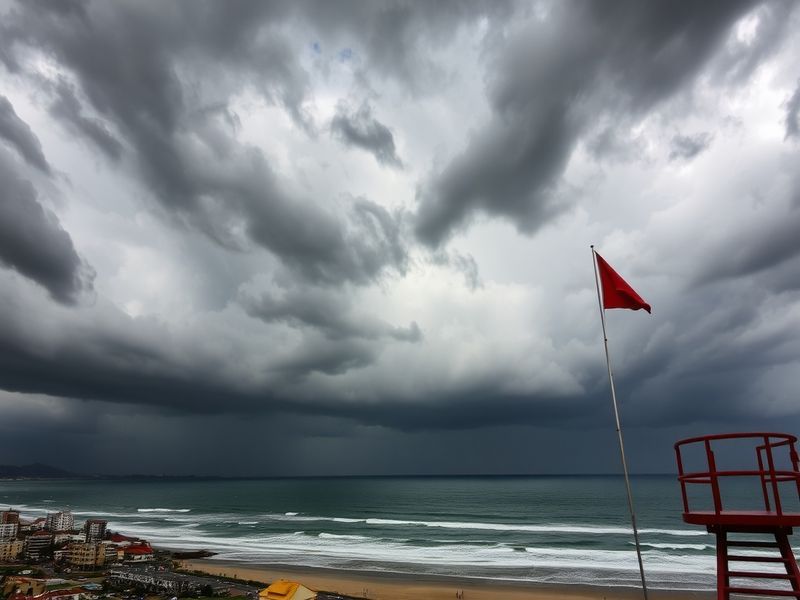
Understanding Red Flag Warnings in Weather Forecasting
Red flag warnings are crucial alerts issued by meteorological authorities to indicate conditions favorable for wildfire activity. These warnings are particularly significant in regions prone to wildfires, where dry weather, high temperatures, and strong winds can converge to create a perilous environment. Understanding what a red flag warning entails is essential for residents in these areas, as it can mean the difference between safety and disaster.
Criteria for Issuing Red Flag Warnings
Various factors contribute to the issuance of a red flag warning. Meteorologists assess these elements to determine when to alert the public. The primary criteria include:
- Low Humidity: Relative humidity levels below 15% significantly increase fire risk.
- High Winds: Sustained winds of 20 mph or more can rapidly spread flames.
- High Temperatures: Elevated temperatures can dry out vegetation, making it more susceptible to ignition.
- Drought Conditions: Extended periods of low precipitation lead to dry vegetation, heightening fire potential.
When these conditions align, the National Weather Service (NWS) or equivalent meteorological bodies issue a red flag warning, advising the public to take precautions.
Global Perspectives on Red Flag Warnings
While red flag warnings are commonly associated with the United States, similar systems exist worldwide. Countries like Australia and Canada have their versions of fire weather warnings, tailored to local climates and geography. For instance, Australia employs a Fire Danger Rating system that includes ratings from low to catastrophic. This system serves as a guideline for fire management and prevention strategies.
In Europe, nations like Spain and Portugal have experienced devastating wildfires, prompting officials to adopt stringent measures and public alerts. These warnings often coincide with heatwaves and prolonged dry spells, which have become more frequent due to climate change.
Impacts and Community Response
The implications of a red flag warning extend beyond immediate fire risks. Communities must prepare for potential evacuations, and local governments often mobilize resources to combat possible outbreaks. Public awareness plays a pivotal role in minimizing risks. Here are some recommended actions for individuals and families during a red flag warning:
- Stay Informed: Regularly check local weather updates and alerts.
- Avoid Outdoor Activities: Limit activities like campfires, grilling, and smoking.
- Prepare an Emergency Kit: Include essentials such as food, water, medications, and important documents.
- Have an Evacuation Plan: Know your escape routes and have a plan for your pets.
Effective communication and preparedness can significantly mitigate the dangers associated with wildfires, ensuring the safety of communities.
Conclusion
Red flag warnings serve as critical alerts that help protect lives and property from the threat of wildfires. Understanding the criteria for these warnings, as well as the global context in which they operate, enhances community preparedness. As climate change continues to influence weather patterns, the importance of these alerts will likely grow. Staying informed and taking proactive measures can make a substantial difference in wildfire-prone areas.
For more information on related topics, visit our Sports and News sections on Dave’s Locker.