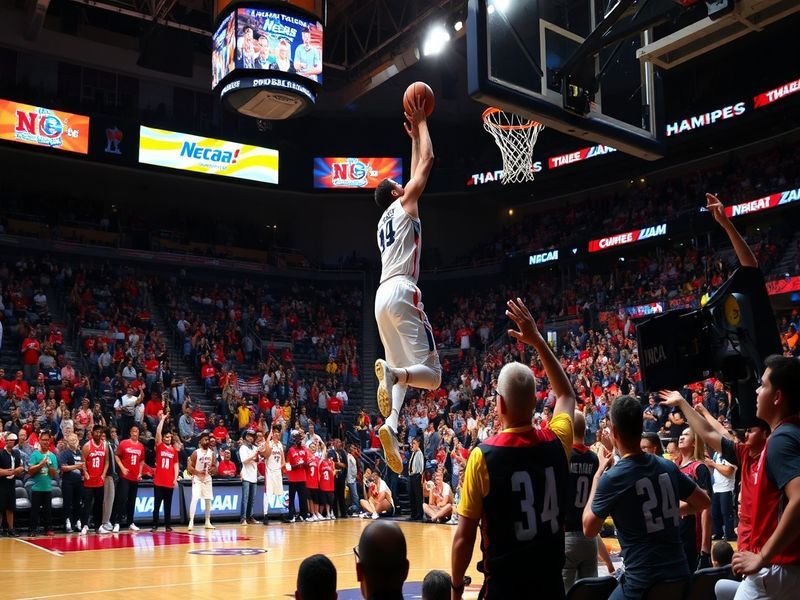
Why the NCAA Tournament Is More Than Just March Madness
The NCAA Tournament, known colloquially as March Madness, is more than just a basketball tournament. It is a cultural institution that transcends sport, weaving itself into the fabric of American life each spring. From office pools to bracketology, the tournament captures the imagination of millions, creating narratives that extend far beyond the hardwood. What makes this event so enduring is not just the competition on the court, but the stories it generates—stories of underdogs, last-second heroics, and the unpredictable nature of college sports.
The Tournament’s Unique Appeal
March Madness stands apart from other major sporting events due to its sheer unpredictability. Unlike professional leagues, where powerhouse teams often dominate, the NCAA Tournament thrives on parity. A single-elimination format means that on any given day, a Cinderella story can emerge. This unpredictability fuels the tournament’s appeal, drawing in casual fans and die-hards alike. The emotional rollercoaster of watching a 16-seed nearly upset a 1-seed or a mid-major program advance to the Sweet 16 creates moments that linger in the collective memory.
The tournament’s structure also plays a role in its uniqueness. With 68 teams competing, the field is large enough to include a mix of powerhouse programs and smaller schools with passionate fan bases. The First Four round, introduced in 2011, adds an extra layer of drama, giving teams on the bubble one last shot at dancing. This inclusivity ensures that the tournament feels like a true celebration of college basketball, where every team has a chance to make history.
Why Brackets Matter
At the heart of March Madness is the bracket—a tool that transforms casual viewers into engaged participants. Office pools and online contests have turned bracketology into a national pastime. The NCAA Tournament is one of the few sporting events where fans who know little about basketball still feel compelled to fill out a bracket. This phenomenon speaks to the tournament’s accessibility. It’s not just about knowing the teams or the players; it’s about embracing the chaos and hoping for the best.
The psychological appeal of brackets lies in their simplicity. A single sheet of paper becomes a canvas for hope, strategy, and sometimes, heartbreak. The pressure to predict the unpredictable is part of the fun. Even the most knowledgeable fans will admit that the tournament has a way of defying logic. A team that looked invincible in the regular season might crumble in the first round, while a sleeper team with no pre-tournament buzz might go on a run that captivates the nation. This unpredictability is what keeps brackets relevant year after year.
The Economic and Cultural Impact
The NCAA Tournament is a multi-billion-dollar industry, generating revenue from television rights, sponsorships, and merchandise. CBS and Turner Sports pay billions to broadcast the tournament, while corporate sponsors clamor for a piece of the action. The economic ripple effect is substantial, benefiting local economies in host cities and boosting tourism. Cities like Indianapolis, home to the NCAA headquarters, see a surge in visitors during the Final Four weekend, filling hotels and restaurants.
Beyond the financial impact, the tournament shapes cultural conversations. It’s a time when college athletes, often in the shadow of their professional counterparts, become household names. Players like Zion Williamson, Caitlin Clark, and Jalen Brunson transcend their teams, becoming household names overnight. Their performances on the biggest stage can catapult them into the national spotlight, influencing draft stock and future endorsements. The tournament also amplifies debates about amateurism, player compensation, and the role of college sports in higher education.
The Broader Implications of March Madness
The NCAA Tournament’s influence extends beyond basketball. It serves as a microcosm of larger societal trends, particularly around gender equity. The women’s NCAA Tournament, while historically overshadowed by the men’s event, has gained significant traction in recent years. The 2023 NCAA Women’s Basketball Championship game drew nearly 10 million viewers, a record for the sport. This surge in popularity has forced conversations about investment in women’s sports, media coverage, and the disparities between men’s and women’s tournaments.
The tournament also highlights the role of social media in modern sports. Platforms like Twitter, TikTok, and Instagram amplify moments, turning players into viral sensations and games into trending topics. The rise of NIL (Name, Image, Likeness) deals has further blurred the lines between amateur and professional athletics, allowing college athletes to monetize their fame in ways previously unimaginable. The NCAA Tournament is no longer just about the games; it’s about the narratives that unfold online, where every dunk, every buzzer-beater, and every upset is dissected and shared instantly.
Key Takeaways from the Tournament
As the NCAA Tournament continues to evolve, several themes emerge that define its lasting appeal:
- Unpredictability: The single-elimination format ensures that no team is safe, creating drama and excitement that other sports often lack.
- Cultural Phenomenon: The tournament transcends basketball, becoming a shared experience that unites fans across generations and backgrounds.
- Economic Powerhouse: The financial impact of March Madness is staggering, influencing everything from media rights to local economies.
- Social Media Amplification: Every game, every play, and every moment is magnified online, turning players into stars and games into global events.
- Gender Equity Conversations: The growing popularity of the women’s tournament has sparked important discussions about investment, visibility, and equality in sports.
For those who follow college basketball closely, the NCAA Tournament is a yearly pilgrimage—a chance to witness history, celebrate underdogs, and revel in the unpredictability of sport. For casual fans, it’s an opportunity to engage with a tradition that has become woven into the American psyche. Whether it’s filling out a bracket, watching a buzzer-beater, or debating the latest Cinderella story, March Madness offers something for everyone.
A Look Ahead
As the NCAA Tournament moves forward, it will continue to adapt to the changing landscape of college sports. The introduction of expanded brackets, the rise of women’s basketball, and the growing influence of social media ensure that the tournament remains as dynamic as the teams that compete in it. For fans, the anticipation of another March filled with drama, emotion, and unforgettable moments is enough to keep the tradition alive for generations to come.
The NCAA Tournament is more than a sporting event; it’s a cultural touchstone that reflects the spirit of competition, the thrill of the unknown, and the power of sport to bring people together. As long as there are underdogs to root for and buzzer-beaters to celebrate, March Madness will remain one of the most beloved traditions in all of sports.
For more insights into the world of college basketball and the NCAA Tournament, explore our Sports and Analysis sections on Dave’s Locker.