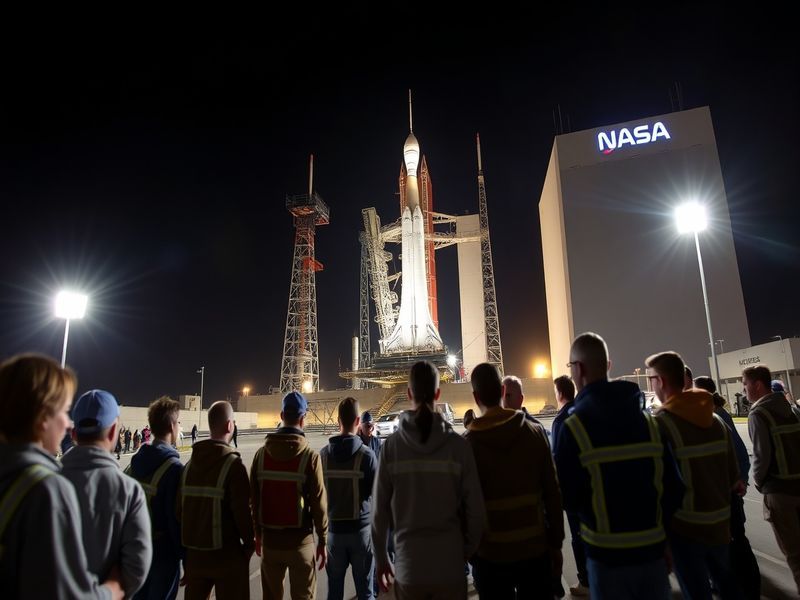
Artemis 2 Launch Date: What to Expect in 2024
Overview of Artemis 2 Mission
The Artemis 2 mission is a crucial step in NASA’s ambitious plan to return humans to the Moon. Scheduled for launch in 2024, this mission aims to build on the achievements of Artemis 1, which successfully demonstrated the capabilities of the Space Launch System (SLS) and the Orion spacecraft. Artemis 2 will mark the first crewed flight of the Orion spacecraft, carrying astronauts on a mission to orbit the Moon.
Launch Date and Timeline
As of now, NASA is targeting a launch window that opens in November 2024. However, this date is contingent on various factors, including technical readiness and the ongoing development of the SLS and Orion systems. The Artemis program is known for its ambitious timelines, and while NASA aims for a specific launch date, delays in previous missions have taught stakeholders to remain flexible.
Following the launch, the mission is expected to last approximately 10 days. During this time, the crew will perform critical tests and gather data that will inform future missions, particularly Artemis 3, which aims to land astronauts on the lunar surface.
Objectives of Artemis 2
The primary objective of Artemis 2 is to validate the performance of the crewed Orion spacecraft in deep space conditions. This mission will help ensure that the systems are functioning correctly before sending astronauts to the lunar surface. Key goals include:
- Testing life support systems in a crewed environment.
- Conducting navigation and communication tests.
- Gathering data on crew health and performance during the mission.
- Demonstrating the spacecraft’s capabilities for future lunar landings.
In addition to these technical objectives, Artemis 2 also serves a symbolic purpose. It represents a renewed commitment to human space exploration and aims to inspire the next generation of scientists, engineers, and explorers.
Challenges and Considerations
While the excitement surrounding Artemis 2 is palpable, several challenges must be addressed before launch. Technical issues, budget constraints, and the ongoing impacts of global events can all influence the timeline. NASA has emphasized the importance of safety and thorough testing, which may lead to additional delays if issues arise.
Moreover, the Artemis program is not just about reaching the Moon. It sets the stage for future missions to Mars and beyond. Therefore, the lessons learned from Artemis 2 will be invaluable as NASA and its international partners look toward deeper space exploration.
Conclusion
The Artemis 2 mission is poised to be a landmark event in human space exploration. With a tentative launch date in November 2024, the mission aims to validate critical systems and pave the way for future lunar landings. As the world watches, NASA is committed to ensuring that every detail is meticulously planned and executed. The success of Artemis 2 will not only be a testament to human ingenuity but also a stepping stone toward the next giant leap for mankind.
For more insights into space exploration and technology, check out our Science and News sections.