Introduction to Canada and Iceland
Canada and Iceland are two nations that, while geographically distant, share a number of intriguing similarities and stark contrasts. Both countries boast stunning natural landscapes, rich cultural heritages, and progressive social policies. However, their approaches to governance, economy, and environmental issues often differ significantly. This article explores these differences and similarities, providing a comprehensive analysis of what makes each country unique.
Geography and Natural Beauty
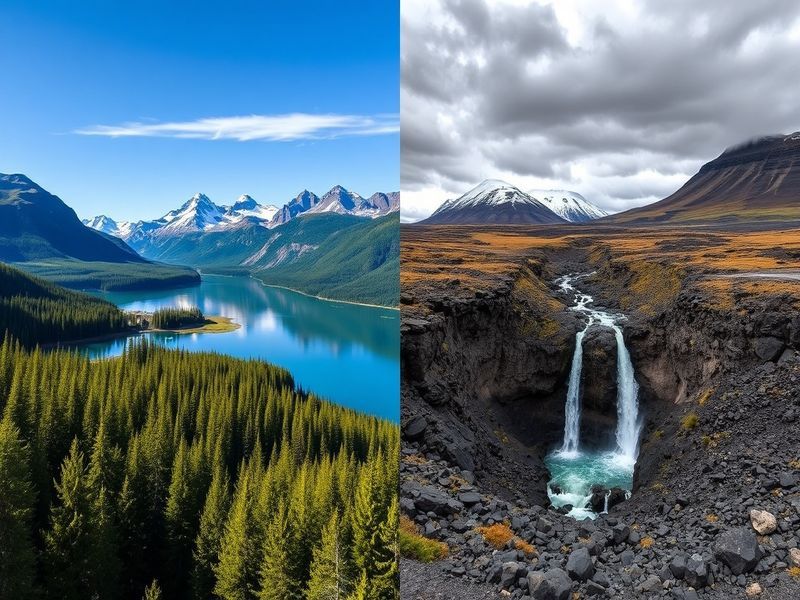
Canada is the second-largest country in the world, encompassing a vast expanse of diverse landscapes, from the Rocky Mountains to the vast prairies and Atlantic coastline. This geographical diversity contributes to an array of ecosystems and climates, making Canada a haven for outdoor enthusiasts.
Iceland, on the other hand, is a small island nation known for its dramatic volcanic landscapes, geysers, and hot springs. The country’s unique geological features have shaped its culture and lifestyle, with a strong emphasis on sustainability and renewable energy.
Both nations offer stunning vistas, but they cater to different types of travelers. While Canada attracts those looking for expansive wilderness and urban experiences in cities like Toronto and Vancouver, Iceland draws visitors with its otherworldly landscapes and adventure tourism.
Economy and Industry
The economic structures of Canada and Iceland reveal significant differences. Canada has a diverse economy characterized by a mix of natural resources, manufacturing, and services. Major industries include oil and gas, mining, agriculture, and technology. Canada’s economic stability is reinforced by its extensive trade relationships, particularly with the United States.
Iceland’s economy, though smaller, is heavily reliant on fisheries, tourism, and renewable energy. The fishing industry has historically been the backbone of Iceland’s economy, while tourism has surged in recent years, thanks to its unique attractions such as the Blue Lagoon and Northern Lights.
Both countries face challenges related to their economic models:
- Canada must address environmental concerns linked to resource extraction.
- Iceland needs to manage the sustainability of its tourism sector.
Social Policies and Quality of Life
When it comes to social policies, both Canada and Iceland rank highly in terms of quality of life, education, and healthcare. Canada is known for its universal healthcare system and progressive immigration policies, which contribute to its multicultural society. The country consistently scores well in global quality of life indices.
Iceland, on the other hand, is often lauded for its gender equality and social welfare programs. It has been recognized as one of the best places in the world for women, with significant representation in politics and business. The country’s commitment to education and social services creates a supportive environment for its citizens.
Key aspects of social policies in both countries include:
- Universal healthcare access.
- Strong educational systems.
- Support for gender equality.
- Commitment to environmental sustainability.
Environmental Approaches and Global Impact
Both Canada and Iceland have made strides in environmental sustainability, but their approaches differ. Canada, rich in natural resources, faces the challenge of balancing economic growth with environmental protection. The country has committed to reducing greenhouse gas emissions and investing in clean technology, yet the reliance on fossil fuels remains a contentious issue.
Iceland stands out for its commitment to renewable energy. Approximately 85% of its energy comes from renewable sources, primarily geothermal and hydropower. This focus not only reduces carbon emissions but also serves as a model for other nations looking to transition to sustainable energy sources.
As global discussions on climate change intensify, both nations have a role to play. Canada can leverage its vast resources to lead in sustainable practices, while Iceland can serve as a beacon of renewable energy innovation. The collaboration between these countries could inspire broader initiatives in environmental stewardship.
Conclusion
Canada and Iceland, while different in size and economic focus, share a commitment to social welfare and environmental sustainability. Their unique geographical features and cultural identities offer distinct experiences for residents and visitors alike. As both nations continue to face global challenges, their approaches to governance, economy, and environmental issues will undoubtedly influence international discussions. The potential for collaboration between Canada and Iceland could pave the way for innovative solutions to pressing global concerns.
For more insights into international relations and environmental issues, explore our analysis section and check out the latest in environmental news.