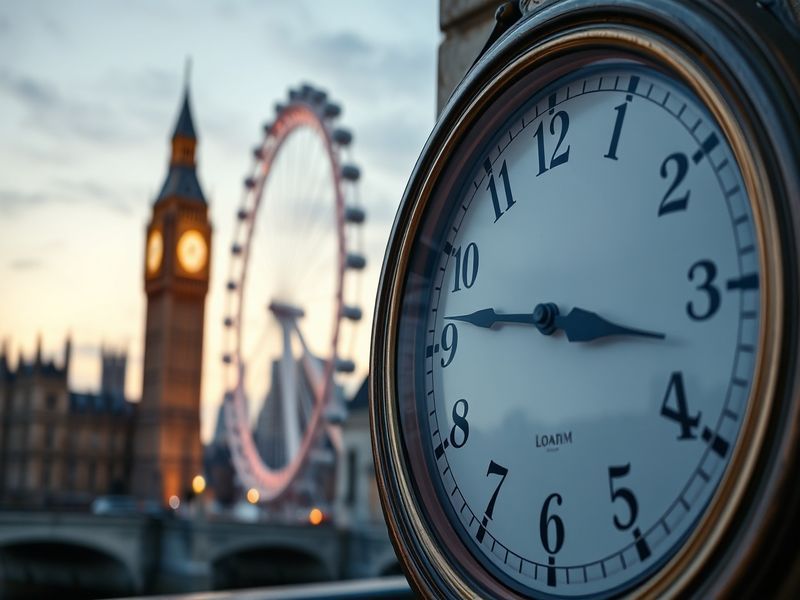
Exploring the UK Time Change: History, Impact, and Global Views
The UK Time Change: Understanding the Tradition and Its Impact
Every year, the United Kingdom undergoes a significant transition as the clocks move forward and backward, marking the start and end of British Summer Time (BST). This practice, rooted in historical and practical reasons, affects not only daily routines but also has broader implications for various sectors, including business, travel, and even health.
Historical Background of Time Changes in the UK
The concept of changing time was first proposed by Benjamin Franklin in the 18th century, but it wasn’t until World War I that the UK officially adopted Daylight Saving Time (DST) to conserve fuel. Since then, the practice has been adjusted and refined. Today, the clocks spring forward on the last Sunday in March and fall back on the last Sunday in October, creating a rhythm that many have come to accept as part of British life.
- March: Clocks move forward by one hour at 1 am on the last Sunday.
- October: Clocks revert back by one hour at 2 am on the last Sunday.
This change not only influences the length of daylight available during evenings but also impacts how people perceive time itself. With longer evenings during BST, many enjoy outdoor activities, which can enhance mental well-being and promote a more active lifestyle.
Global Perspectives on Time Change
While the UK is one of the countries that observes DST, it is not alone. Many nations around the world have adopted similar practices, although the reasons and timings can differ significantly. In Europe, for instance, countries within the EU generally synchronize their time changes, aligning with the UK. However, some regions, like parts of Asia and Africa, do not observe DST at all, leading to a varied global landscape.
In the United States, the approach to time change varies by state. While most states follow the federal guideline, Arizona and Hawaii have opted out of DST, resulting in a unique time zone experience. This can create confusion for travelers and businesses that operate across state lines or internationally.
Implications of Time Changes
The twice-yearly clock adjustment has several implications that extend beyond mere inconvenience. Here are some key areas affected:
- Health: Studies suggest that the transition into and out of DST can disrupt sleep patterns, leading to increased cases of sleep deprivation and associated health risks.
- Economics: Retail sectors often benefit from longer daylight hours during BST, as consumers are more likely to shop in the evenings.
- Travel: Airlines and travel agencies must adjust schedules and communicate changes effectively to avoid confusion among passengers.
- Safety: Longer daylight hours can lead to reduced traffic accidents, but the transition itself can cause spikes in incidents as people adjust.
These implications call for ongoing discussions about the necessity and effectiveness of time changes. Many argue for a year-round standard time, while others support maintaining the current system. The debate is not just about convenience; it touches on broader issues such as health, economics, and even cultural practices.
Conclusion
The UK time change is a well-established tradition that significantly impacts daily life. While it has historical roots and practical benefits, the implications of this practice extend into health, economics, and safety. As discussions continue about the relevance of DST in modern society, it is essential to consider both the benefits and drawbacks of such changes. Understanding this tradition can help individuals and businesses better navigate the seasonal shifts and their effects.
For those interested in how time changes can affect various aspects of life, explore our articles on Sports and Health for deeper insights.