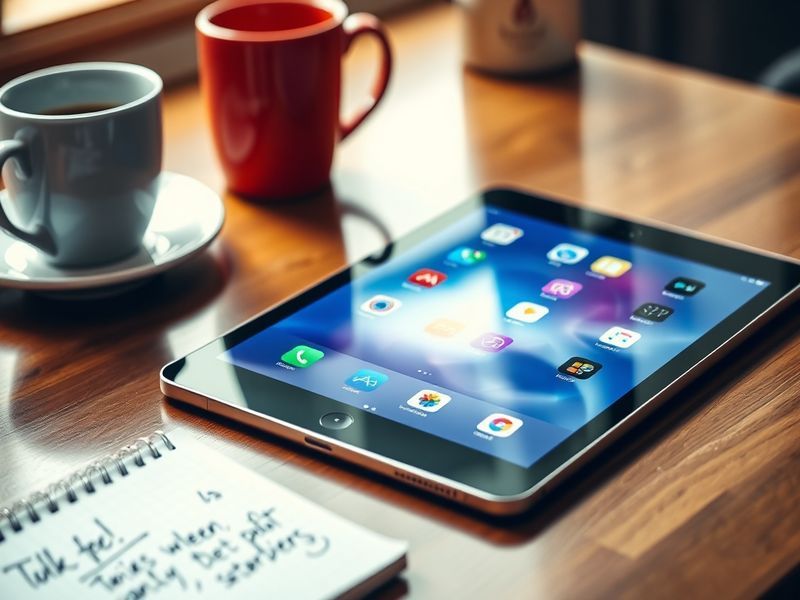
The Evolution and Future of the Apple iPad: Insights and Analysis
The Evolution of the Apple iPad
Since its debut in 2010, the Apple iPad has undergone significant transformations. Originally marketed as a device that bridges the gap between a smartphone and a laptop, the iPad has carved out a unique niche in the tech ecosystem. Each iteration has brought enhancements in performance, design, and functionality, making it an appealing choice for a wide array of users.
The iPad’s evolution reflects not only advancements in technology but also shifting consumer demands. As users increasingly seek devices that offer versatility, the iPad has continuously adapted to meet those expectations. With the introduction of the iPad Pro line, Apple has blurred the lines between tablets and traditional computers, catering to professionals, creatives, and casual users alike.
Key Features of the Latest iPad Models
The latest iPad models boast a range of impressive features. These enhancements serve to elevate the user experience, making the iPad a compelling choice for various tasks. Here are some key features that stand out:
- Powerful Processors: The latest models are equipped with Apple’s M1 chip, offering desktop-level performance.
- Improved Display: With Liquid Retina and ProMotion technologies, users enjoy vibrant colors and smooth visuals.
- Enhanced Battery Life: The iPad continues to provide long-lasting battery performance, crucial for on-the-go users.
- Versatile Accessories: Compatibility with accessories such as the Apple Pencil and Magic Keyboard expands the iPad’s functionality.
- Advanced Camera Systems: Enhanced front and rear cameras facilitate high-quality video calls and photography.
The iPad in Education and Productivity
The iPad’s role in education and productivity has become increasingly significant. Educational institutions have embraced the iPad as a tool for both teachers and students. Its portability and ease of use make it an ideal device for interactive learning experiences. Many educational apps are designed specifically for the iPad, promoting engagement and collaboration among students.
In a professional context, the iPad is being used for various tasks, from graphic design to video editing. Creative professionals leverage its powerful hardware and software capabilities to produce high-quality work. The introduction of apps like Adobe Creative Cloud has further solidified the iPad’s position as a legitimate tool for professionals.
Moreover, the shift toward remote work has amplified the iPad’s utility. With features such as Sidecar, users can extend their Mac desktops to their iPads, enhancing multitasking capabilities. This versatility positions the iPad as a strong alternative to traditional laptops, appealing to a wide range of users.
Future Implications and Market Trends
Looking ahead, the future of the iPad seems promising. Apple is likely to continue innovating and refining its tablet offerings. The integration of augmented reality (AR) is a potential area of growth, as Apple has invested heavily in AR technologies. This could open up new avenues for interactive applications across various fields, from gaming to education.
Additionally, as the demand for mobile computing continues to rise, the iPad may play a pivotal role in shaping how people engage with technology. Its ability to function as both a tablet and a laptop can appeal to an increasingly mobile workforce. The current trend of hybrid devices indicates a shift in consumer preferences, and the iPad is well-positioned to capitalize on this movement.
Apple’s ecosystem also plays a crucial role in the iPad’s future. The seamless integration with other Apple products, such as the iPhone and Mac, enhances the overall user experience. This interconnectedness encourages brand loyalty and makes it more challenging for competitors to lure away Apple users.
Conclusion
The Apple iPad has evolved into a versatile device that meets the needs of various user demographics. Its combination of powerful hardware, intuitive software, and extensive app ecosystem makes it a formidable player in the tablet market. As technology continues to advance, the iPad is likely to adapt and innovate, maintaining its relevance in an ever-changing landscape.
With its applications in education, productivity, and beyond, the iPad is not just a device for consumption; it is a tool for creation and collaboration. As Apple continues to refine the iPad’s capabilities, users can expect even more features that enhance their experience.