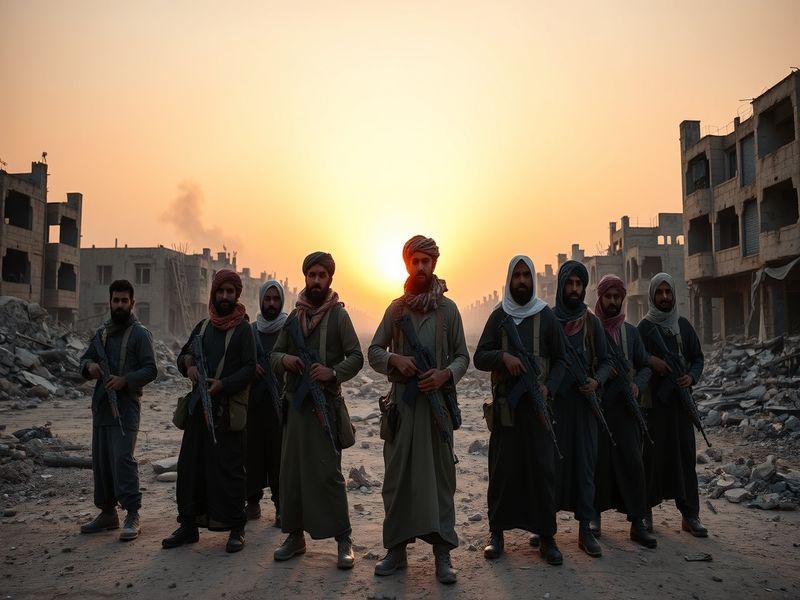
Understanding the Houthis in Yemen
The Houthis, officially known as Ansar Allah, emerged as a significant political and military force in Yemen during the early 2000s. Their roots trace back to the Zaydi Shia sect, predominantly found in northern Yemen. Initially, the movement sought to address local grievances against the Yemeni government and the influence of Sunni extremism. Over the years, the Houthis have transformed from a local insurgency into a formidable player in Yemen’s complex civil war.
The Historical Context
To comprehend the current situation, it’s essential to look back at the historical context. The Houthis began as a response to perceived marginalization and neglect by the Yemeni government. Their rise coincided with the Arab Spring in 2011, which led to widespread protests against President Ali Abdullah Saleh. Following Saleh’s resignation, the power vacuum intensified existing tensions in the country.
Key events that shaped the Houthi movement include:
- 2004: The first armed conflict between the Houthis and the Yemeni government erupts.
- 2011: The Arab Spring leads to protests and instability in Yemen.
- 2014: The Houthis seize control of the capital, Sana’a, leading to the current civil war.
- 2015: A Saudi-led coalition intervenes, marking an escalation in the conflict.
The Role of External Actors
The Yemeni civil war is not merely a domestic issue; it has drawn in regional and international actors, complicating the conflict further. Saudi Arabia perceives the Houthis as an Iranian proxy, fearing the expansion of Iranian influence in the Arabian Peninsula. This perception has led to a significant military intervention by Saudi Arabia and its allies since 2015.
Key external actors include:
- Saudi Arabia: Leading a coalition to restore the Yemeni government and counter Houthi influence.
- Iran: Providing support to the Houthis, including military supplies and training.
- United States: Offering logistical and intelligence support to the Saudi-led coalition.
- United Nations: Mediating peace talks and seeking a resolution to the conflict.
The Humanitarian Crisis
The ongoing conflict has resulted in one of the worst humanitarian crises in the world. Millions of Yemenis face severe food insecurity, lack of medical care, and displacement. The blockade imposed by the Saudi-led coalition has exacerbated the situation, limiting access to essential supplies.
According to the United Nations, approximately 24 million people—around 80% of the population—require humanitarian assistance. Children are particularly affected, with malnutrition rates soaring. The international community has called for urgent action to alleviate the suffering of the Yemeni people.
Looking Ahead: Prospects for Peace
Despite numerous attempts at peace talks, a resolution to the conflict remains elusive. The Houthis have shown a willingness to engage in negotiations, but the conditions set by the Saudi-led coalition complicate these efforts. Additionally, internal divisions among Yemeni factions further hinder the peace process.
Several factors will influence the future of Yemen and the Houthis:
- The potential for renewed international diplomacy.
- The changing dynamics of regional politics, particularly between Iran and Saudi Arabia.
- The humanitarian situation, which may compel action from the global community.
- The internal unity among Yemeni factions and their willingness to compromise.
As the situation evolves, it is crucial to keep a close eye on the developments in Yemen. The stakes are high, not only for the Yemeni people but also for regional stability in the Middle East. Understanding the Houthis and their role in this conflict is essential for grasping the broader implications of the ongoing war.
For more information on the current events in Yemen and other global issues, visit our news section and explore our analysis articles.