Understanding Caster Semenya’s Journey
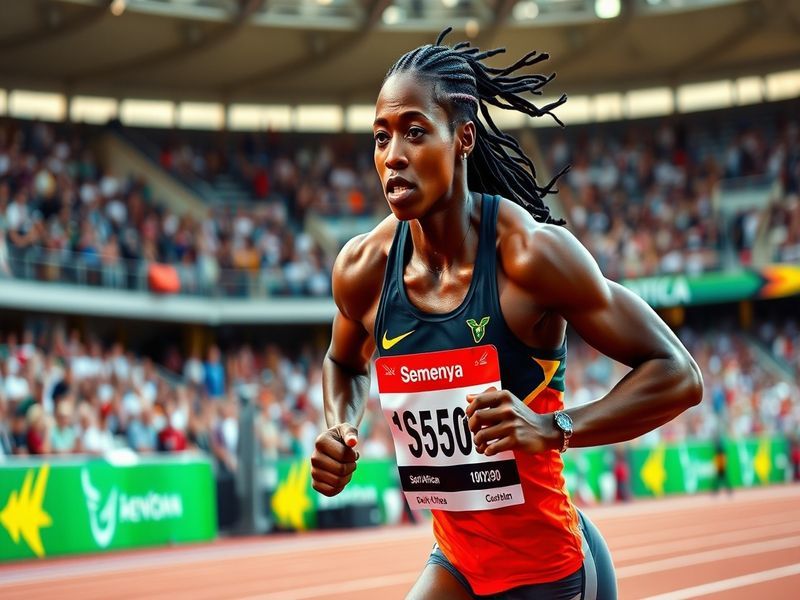
Caster Semenya, the South African middle-distance runner, has become a prominent figure in athletics, not just for her remarkable performances but also for the controversies surrounding her eligibility to compete. Her story is a complex interplay of sports, gender identity, and human rights, resonating with many worldwide. As a two-time Olympic champion in the 800 meters, Semenya has been at the center of a global conversation about gender and athleticism.
The Controversy Surrounding Gender and Eligibility
The controversy surrounding Semenya began in 2009 when she won her first World Championship title. Questions about her gender were raised due to her athletic prowess and physical characteristics. Following this, the International Association of Athletics Federations (IAAF) implemented regulations regarding testosterone levels in female athletes, which specifically affected Semenya.
These regulations have sparked significant debate regarding fairness in sports. Supporters argue that they are necessary to ensure a level playing field, while critics contend that such rules discriminate against athletes with intersex variations. Semenya herself has been vocal about her struggles, stating that she simply wishes to compete as a woman without undergoing medical interventions.
Global Reactions and Cultural Implications
The reaction to Semenya’s situation has varied widely across different cultures and communities. In some regions, she is viewed as a symbol of resilience and strength, while in others, her case reflects deeper societal issues regarding gender norms and identity.
- Support from Athletes: Many athletes have voiced their support for Semenya, recognizing her talent and the challenges she faces.
- Human Rights Advocacy: Organizations such as Human Rights Watch have highlighted her case as an example of discrimination against intersex individuals.
- Public Perception: The media coverage has often been polarized, with some outlets focusing on her athletic achievements while others emphasize the controversy.
The cultural implications of Semenya’s situation are significant. They challenge traditional notions of gender and force society to reconsider how we define female athletes. This debate extends beyond Semenya, influencing policies and discussions in sports globally.
Impact on Women’s Sports
The discourse surrounding Caster Semenya has prompted a reevaluation of policies in women’s sports. The IAAF’s regulations have been met with legal challenges, and various sports organizations are rethinking how they address gender identity and eligibility. The implications of these changes could shape the future of athletics.
Some potential impacts include:
- Policy Revisions: Sports governing bodies may alter their eligibility criteria to be more inclusive of intersex and transgender athletes.
- Increased Awareness: The conversation around Semenya has raised awareness about intersex conditions and the challenges faced by those affected.
- Shifting Narratives: Media narratives may shift towards a more compassionate understanding of athletes’ identities and experiences.
Conclusion: A Call for Inclusivity
The ongoing saga of Caster Semenya serves as a crucial reminder of the need for inclusivity in sports. As discussions continue, it is essential for governing bodies to consider the implications of their policies on athletes’ lives. Semenya’s journey is not merely about one athlete’s struggle; it reflects broader societal issues surrounding gender, identity, and fairness.
As the landscape of athletics evolves, the hope is that it will embrace diversity and promote equality, ensuring that all athletes can compete on their own terms. Caster Semenya’s story is a powerful testament to resilience in the face of adversity, and it challenges us to rethink our understanding of gender in sports.
For more insights into the world of sports, visit our Sports section.