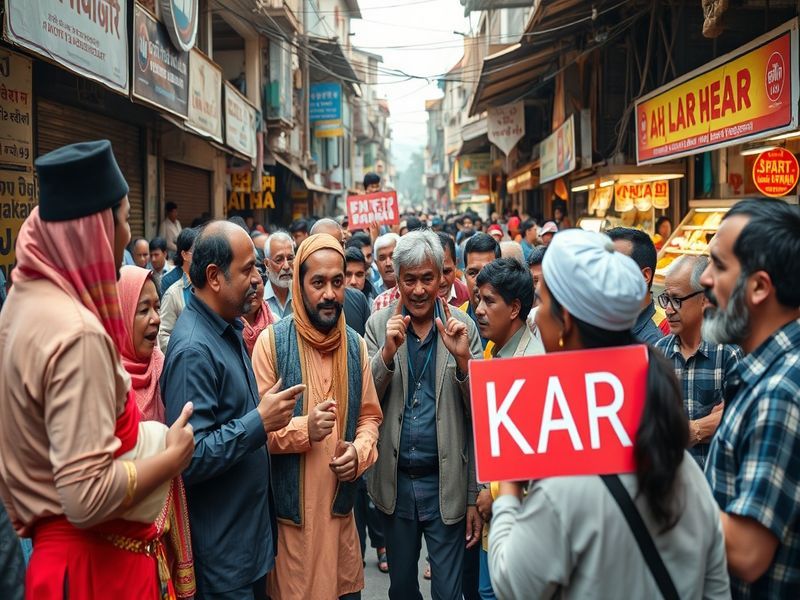
Understanding “Lah” and “Kar”: A Linguistic Exploration
The terms “lah” and “kar” are often associated with various dialects and languages, particularly within Southeast Asia. These words serve as linguistic markers, enhancing communication and adding emotional depth to conversations. However, their meanings and usages can vary greatly depending on the context and region. This article aims to explore the nuances of “lah” and “kar,” examining their origins, applications, and the cultural significance they hold.
The Origins and Meanings
“Lah” is predominantly used in Malaysian and Singaporean English, often perceived as a colloquial particle that adds emphasis or a casual tone to statements. Its origin can be traced back to the Malay language, where it serves a similar function. In contrast, “kar” is less common but is often found in certain Chinese dialects, particularly Hokkien. It serves as a modal particle, indicating a sense of completion or affirmation.
- “Lah”: Used for emphasis, often at the end of sentences.
- “Kar”: Indicates confirmation or completion in conversation.
- Regional Variations: Both terms vary in usage and meaning across different communities.
Usage in Everyday Conversation
The application of “lah” and “kar” in conversation can significantly alter the tone and meaning of a statement. For example, consider the following scenarios:
- Casual Affirmation: “I’ll see you later, lah!” Here, “lah” adds warmth and friendliness, making the statement sound more inviting.
- Completion: “You finished your homework, kar?” In this case, “kar” emphasizes the speaker’s expectation of confirmation, indicating the necessity of the task being completed.
These particles not only enrich the language but also reflect the cultural identity of the speakers. They can create a sense of community among those who share the same linguistic background. The subtlety of such expressions showcases the intricate interplay between language and culture.
Cultural Significance and Social Dynamics
The use of “lah” and “kar” transcends mere linguistic function; it also plays a role in social dynamics. In Malaysia and Singapore, for instance, using “lah” can indicate familiarity and camaraderie among friends. Conversely, omitting it might come off as overly formal or distant. This social nuance can influence how individuals perceive each other in both casual and professional settings.
Similarly, “kar” can convey authority or assertiveness when used correctly. Its presence in a conversation can signal that the speaker expects acknowledgment or agreement from the listener. Understanding the implications of these particles is vital for effective communication within these cultural contexts.
Conclusion: The Power of Linguistic Nuance
In summary, the terms “lah” and “kar” are more than just linguistic fillers; they are integral to the way speakers express themselves and connect with others. Their meanings and uses are deeply rooted in cultural identity and social dynamics, reflecting the rich tapestry of language in Southeast Asia. Recognizing and appreciating these nuances can significantly enhance communication and foster deeper connections among individuals from diverse backgrounds.
For further exploration of language and cultural expressions, visit our Culture and Language sections on Dave’s Locker.