Gary Woodland’s PTSD Journey Highlights Mental Health in Sports
Gary Woodland’s Public Battle with PTSD Highlights a Growing Crisis Among Athletes
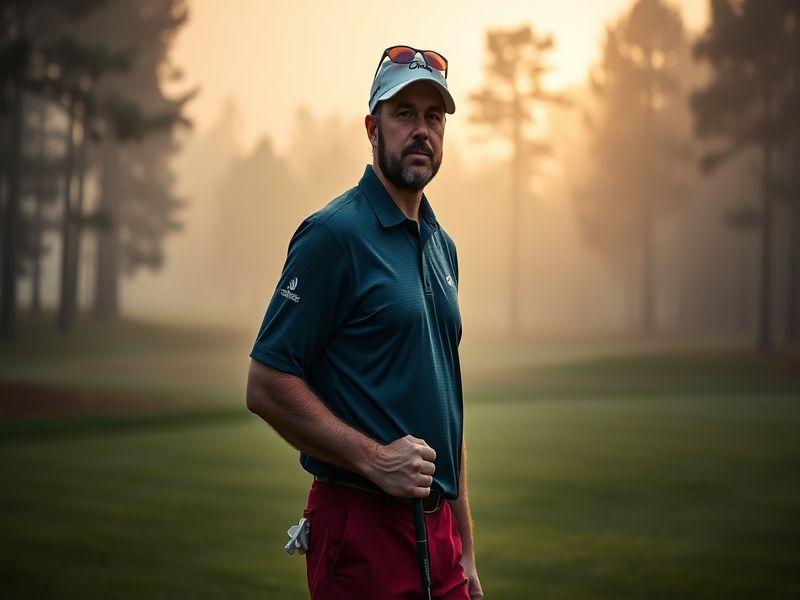
Gary Woodland, the 2019 U.S. Open champion, has become one of the most visible athletes to speak openly about living with post-traumatic stress disorder (PTSD). His journey has resonated far beyond the fairways of professional golf, shining a light on the mental health challenges that affect competitors at all levels. Woodland’s openness about his diagnosis has helped dismantle the stigma surrounding mental health in sports, particularly in a culture that often prioritizes toughness over vulnerability.
PTSD in athletes is not a new phenomenon, but its acknowledgment remains rare. The condition, traditionally associated with military veterans and survivors of violence, can stem from a variety of sources in sports—intense pressure, career-threatening injuries, public scrutiny, or even the cumulative stress of high-stakes competition. Woodland’s case underscores how deeply psychological trauma can impact even the most elite performers, forcing a reevaluation of what it means to be strong in the face of adversity.
The Roots of Woodland’s Struggle: From Injury to Diagnosis
Woodland’s PTSD emerged in the wake of a series of setbacks that tested his resilience. After winning his first major in 2019, he faced a brutal stretch of injuries, poor performances, and the sudden loss of his father to cancer. These events compounded into a mental health crisis that he initially struggled to articulate. In interviews, he described feeling “lost” and “overwhelmed,” symptoms that are now recognized as classic indicators of PTSD.
For athletes, the physical demands of their careers often overshadow the psychological toll. Golf, in particular, is a sport where isolation and self-reliance are ingrained in the culture. The solitary nature of the game can exacerbate feelings of loneliness, making it harder for players to seek help. Woodland’s decision to share his diagnosis publicly was a bold step in a sport where mental health discussions have historically been taboo.
Global Athletes and the Unseen Weight of Mental Health
Woodland’s story is part of a broader global conversation about mental health in sports. In recent years, athletes across disciplines and continents have begun speaking out about their struggles with PTSD and other mental health conditions. In soccer, England’s Tyrone Mings and Germany’s Manuel Neuer have discussed their battles with anxiety, while in tennis, Naomi Osaka and Ashleigh Barty have highlighted the pressures of fame and performance. These athletes come from different backgrounds but share a common thread: the expectation to perform at superhuman levels while suppressing personal pain.
In Australia, cricketer Glenn Maxwell took a hiatus from the sport in 2019 citing mental health concerns, sparking national debates about player welfare. Meanwhile, in Japan, Olympic judoka Uchimata Masato has spoken about the PTSD-like symptoms he experienced after a career-threatening injury. The global nature of these stories reveals a universal truth: mental health does not discriminate by sport, nationality, or level of achievement.
What makes Woodland’s case particularly compelling is his platform. As a major champion, he has access to resources that many athletes lack. Yet his willingness to discuss his PTSD has helped normalize the conversation, encouraging others to seek help without fear of judgment. His advocacy aligns with a growing movement in sports psychology that emphasizes early intervention and holistic support systems for competitors.
Breaking the Silence: How Woodland’s Advocacy Is Changing the Game
Woodland’s openness about his PTSD has had a ripple effect, particularly in golf. The PGA Tour has since introduced mental health initiatives, including partnerships with organizations like the PGA Tour’s Player Care Program. While progress is slow, these steps represent a shift in how the sport views athlete well-being. Woodland’s foundation, The Gary Woodland Foundation, focuses on providing resources for veterans and first responders, further cementing his role as an advocate for mental health awareness.
His journey also reflects a cultural shift in how society perceives mental health. In the United States and Europe, public figures from all fields are increasingly using their platforms to discuss trauma, anxiety, and depression. In Asia, where mental health stigma remains pervasive, Woodland’s story has sparked conversations in countries like South Korea and China, where traditional views often discourage open discussion of psychological struggles. The global response to his advocacy demonstrates that mental health is a universal issue, transcending borders and industries.
For younger athletes, Woodland’s transparency offers a powerful example. Many young competitors enter sports with dreams of glory, only to face crushing disappointment when injuries or failures derail their careers. The pressure to excel can lead to severe psychological distress, sometimes manifesting as PTSD. By sharing his story, Woodland has given these athletes permission to prioritize their mental health without shame.
The Road Ahead: What Needs to Change
Despite progress, significant challenges remain in addressing PTSD among athletes. One of the biggest hurdles is the lack of standardized mental health protocols in sports organizations. While some leagues have begun implementing mental health screenings and counseling services, many still treat these issues as secondary to physical performance. The stigma persists, particularly in male-dominated sports where emotional vulnerability is often equated with weakness.
Another issue is the limited access to specialized care for athletes. Many professionals travel constantly, making it difficult to maintain consistent therapy or treatment. Woodland’s experience highlights the need for portable, flexible mental health support systems tailored to the unique demands of athletic careers. Without these resources, athletes may struggle to manage their conditions long-term.
Culturally, the narrative around sports must evolve. The glorification of “playing through pain” has extended beyond physical injuries to psychological ones. Coaches, teammates, and fans need to recognize that mental health is just as critical as physical health. Woodland’s advocacy is a step in the right direction, but systemic change will require collective effort from sports organizations, media, and society at large.
A Legacy of Openness and Resilience
Gary Woodland’s public battle with PTSD has forced a reckoning in the world of sports. His story is not just about golf or even athletics—it’s about the human cost of relentless pursuit and the importance of addressing trauma with honesty. By speaking out, he has joined a growing chorus of athletes who refuse to let mental health remain in the shadows.
As the conversation around PTSD in sports continues to evolve, Woodland’s legacy will likely be measured not just by his victories on the course, but by the lives he has touched off it. His journey reminds us that strength is not the absence of struggle, but the courage to face it head-on. In doing so, he has given others permission to do the same.