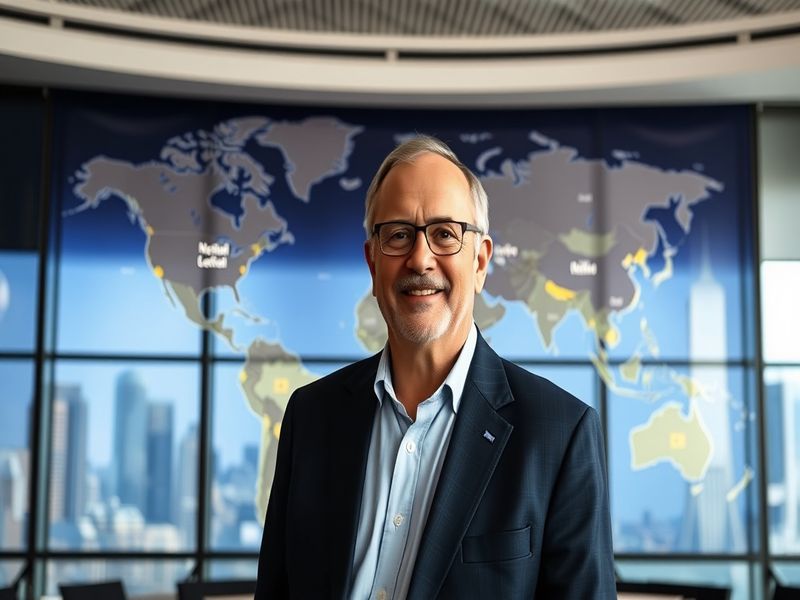
Who is Rafael Grossi?
Rafael Grossi, an Argentine diplomat and nuclear engineer, has emerged as a prominent figure in international nuclear diplomacy. As the Director General of the International Atomic Energy Agency (IAEA), Grossi plays a crucial role in promoting the safe and peaceful use of nuclear energy worldwide. His leadership comes at a time when global attention on nuclear issues has intensified, particularly regarding nuclear safety and non-proliferation.
Background and Career
Grossi was born on December 29, 1961, in Buenos Aires, Argentina. He studied nuclear engineering at the National University of La Plata, which laid the foundation for his future career in nuclear policy. Over the years, he has held various positions within the Argentine government and international organizations, providing him with a wealth of experience in nuclear affairs.
Before assuming the role of IAEA Director General in December 2019, Grossi served as Argentina’s ambassador to the IAEA and held senior positions at the IAEA itself. His extensive background in nuclear technology and policy has equipped him to address complex challenges related to nuclear energy and security.
Leadership at the IAEA
Since taking office, Grossi has focused on several key areas that are vital to the IAEA’s mission:
- Nuclear Safety: Following the Fukushima disaster in 2011, ensuring the safety of nuclear facilities has been a top priority for Grossi. He has advocated for enhanced safety protocols and international cooperation.
- Non-Proliferation: Grossi has been actively involved in discussions surrounding the Treaty on the Non-Proliferation of Nuclear Weapons (NPT). He emphasizes the importance of preventing the spread of nuclear weapons.
- Technical Cooperation: Grossi promotes the use of nuclear technology for peaceful purposes, such as medical applications and agricultural development, particularly in developing countries.
- Addressing Global Crises: Grossi’s tenure has seen increased tensions regarding nuclear capabilities in countries like Iran and North Korea. He has worked to facilitate dialogue and transparency in these regions.
Challenges and Controversies
Despite his efforts, Grossi faces numerous challenges. One significant issue is the ongoing nuclear program in Iran. The complexities surrounding Iran’s nuclear ambitions have posed a considerable test for Grossi’s leadership. The IAEA has sought to maintain a balance between diplomacy and the need for accountability, which has not always been straightforward.
Moreover, Grossi has navigated controversies related to the IAEA’s role in various geopolitical conflicts. The agency’s findings can influence international relations, making its reports a focal point for both criticism and support. Grossi’s ability to manage these situations has been essential for maintaining the IAEA’s credibility.
The Future of Nuclear Diplomacy
Looking ahead, Grossi’s vision for the IAEA involves a continued emphasis on safety and security, along with fostering collaboration among member states. The challenges of climate change also present an opportunity for nuclear energy to play a pivotal role in reducing greenhouse gas emissions. Grossi advocates for an informed dialogue about the role of nuclear power in sustainable development.
As global energy demands increase and environmental concerns grow, the IAEA under Grossi’s leadership will likely be at the forefront of discussions on how to leverage nuclear technology responsibly. His commitment to transparency and cooperation will be vital in navigating the future of nuclear energy and non-proliferation efforts.
In conclusion, Rafael Grossi represents a significant figure in the realm of nuclear diplomacy. His expertise and leadership skills are essential for addressing the pressing issues facing the global community. As he continues to advocate for safety, security, and the peaceful use of nuclear technology, the impact of his work will be felt for years to come. For more insights on international relations and nuclear policy, visit our news and analysis sections.