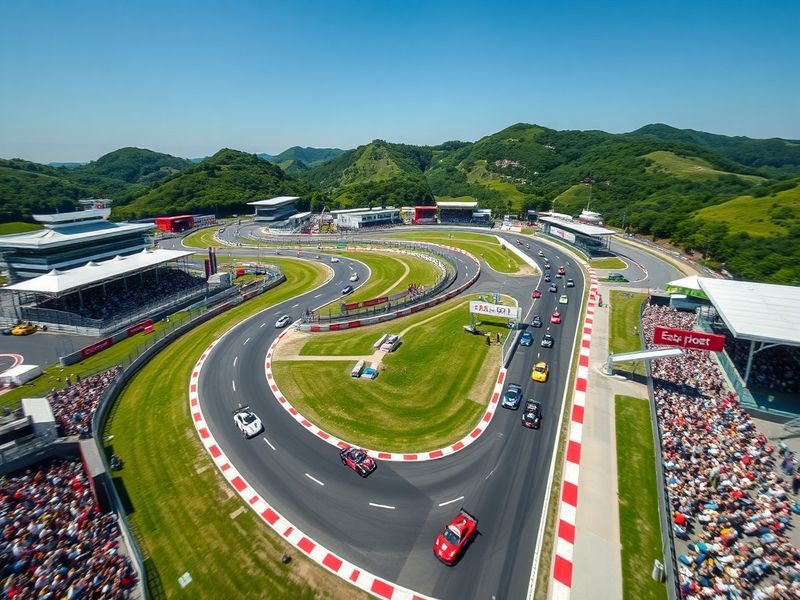
Nestled in the hills of Mie Prefecture, Suzuka Circuit stands as one of Japan’s most iconic motorsport venues. Since its opening in 1962, the track has evolved from a private testing ground into a global symbol of racing excellence. Unlike many circuits built on flat terrain, Suzuka’s unique figure-eight layout presents a rare challenge that tests both driver skill and machine reliability. Its blend of high-speed straights, tight chicanes, and elevation changes makes it a favorite among racers and fans alike.
The Origins of Suzuka: A Track Born from Innovation
The story of Suzuka Circuit begins with Soichiro Honda, the founder of Honda Motor Co. Frustrated by the lack of suitable testing facilities in Japan, Honda envisioned a track that could serve dual purposes: testing new vehicles and hosting races. Construction began in 1959, and by 1962, the circuit was complete. The original design included a unique figure-eight configuration, a rarity in motorsport, which allowed for uninterrupted testing while also creating a dynamic racing experience.
The circuit’s first major event was the opening race in 1963, but it wasn’t until 1987 that Suzuka gained international prominence as the host of the Japanese Grand Prix. The track’s challenging layout and dramatic elevation changes quickly made it a favorite among Formula 1 drivers. Ayrton Senna once called it “the best race track in the world,” a sentiment echoed by many who have raced there. Even today, Suzuka remains the only figure-eight track on the F1 calendar, preserving its distinct identity.
Why Suzuka’s Layout is a Racer’s Dream
Suzuka’s most defining feature is its layout. The track’s figure-eight design, with the back straight crossing over the front straight via a bridge, creates a visually striking and technically demanding course. The combination of high-speed corners like 130R and the tight Degner curve forces drivers to adapt constantly. Elevation changes throughout the lap add another layer of complexity, requiring precise weight transfer and tire management.
The track’s surface is also noteworthy. Unlike many modern circuits designed for smoothness, Suzuka’s tarmac retains a slightly rough texture, which can lead to increased tire wear. This characteristic rewards drivers who can manage their pace over longer stints, making it a favorite for endurance races like the Suzuka 1000km, part of the Super GT series.
Key Sections of the Circuit
- 130R – A high-speed right-hander that demands courage and precision. Named for its 130-meter radius, it’s a corner where drivers often lift or even brake to maintain control.
- Spoon Curve – A pair of left-hand bends that require smooth steering input to carry speed through the exit.
- Degner Curve – A tricky double-apex section that tests a car’s balance and a driver’s patience.
- Cascade Hairpin – A tight left-hander that often sees overtaking maneuvers, especially in wet conditions.
- Final Sector – The run from the last corner to the finish line is where many races are won or lost, with drivers pushing to the limit.
Suzuka Beyond F1: A Hub for Japanese Motorsport
While Suzuka is best known for hosting the Japanese Grand Prix, its influence extends far beyond Formula 1. The circuit is a cornerstone of Japanese motorsport, playing host to the Super Formula Championship, Super GT, and even motorcycle races like the MFJ Superbike Championship. The Suzuka 1000km, a endurance race held annually, draws top teams and drivers from across Asia, showcasing the circuit’s versatility.
In addition to racing, Suzuka is a testing ground for Japan’s automotive industry. Major manufacturers like Toyota, Nissan, and, of course, Honda, frequently use the track to develop and refine their vehicles. The circuit’s technical demands make it an ideal real-world proving ground for both road cars and race machines.
The Fan Experience: What Makes Suzuka Special
Attending an event at Suzuka is more than just watching a race—it’s an immersive experience. The circuit’s compact layout allows fans to get closer to the action than at many larger tracks. Grandstands are strategically placed to offer views of key sections, and general admission areas provide access to vantage points along the circuit’s perimeter.
One of the most unique aspects of Suzuka is its accessibility. Unlike some circuits that feel isolated, Suzuka is surrounded by lush greenery and rolling hills, creating a serene yet electric atmosphere. The nearby Suzuka Circuit Ino Station makes it easy for fans to arrive by train, and local accommodations range from budget-friendly options to upscale hotels.
For motorsport enthusiasts, Suzuka also offers behind-the-scenes tours that take visitors into the pits, garages, and even the legendary “Suzuka Tower,” which provides a panoramic view of the entire circuit. These experiences deepen the connection between fans and the sport, making Suzuka more than just a venue—it’s a pilgrimage site for racing fans.
The Future of Suzuka: Challenges and Opportunities
As motorsport continues to evolve, Suzuka faces both challenges and opportunities. The circuit has undergone several upgrades over the years, including resurfacing projects and safety improvements, to keep pace with modern standards. However, maintaining its historic character while adapting to new technologies remains a delicate balance.
One of the biggest questions surrounding Suzuka is its future in Formula 1. The Japanese Grand Prix has been a staple of the F1 calendar since 1987, but the sport’s global expansion has led to debates about the track’s long-term role. While Suzuka’s unique layout and passionate fanbase make it a valuable asset, the financial and logistical demands of hosting an F1 race are substantial.
Despite these challenges, Suzuka remains a vital part of Japan’s motorsport ecosystem. Its influence extends beyond racing, serving as a cultural landmark that celebrates innovation, competition, and Japanese engineering. Whether it’s the roar of an F1 car on race day or the quiet hum of a test session, Suzuka continues to captivate those who pass through its gates.
For those who have experienced it firsthand, Suzuka is more than a track—it’s a testament to the enduring spirit of motorsport. Its blend of history, challenge, and spectacle ensures that it will remain a cherished destination for generations of racing fans.
Plan Your Visit to Suzuka
If you’re planning a trip to Suzuka, timing is everything. The Japanese Grand Prix, typically held in September or October, is the highlight of the year, but other events like Super GT races and testing days offer unique experiences. Fans should book accommodations early, as nearby hotels fill up quickly during major events.
The circuit also hosts fan-friendly activities year-round, including driving experiences and karting sessions. For those interested in automotive culture, a visit to the nearby automotive museums in Nagoya can complement your Suzuka experience.
Whether you’re a die-hard motorsport fan or simply looking to immerse yourself in Japanese culture, Suzuka Circuit offers an unforgettable experience. Its combination of history, challenge, and hospitality makes it a must-visit destination for anyone passionate about racing.