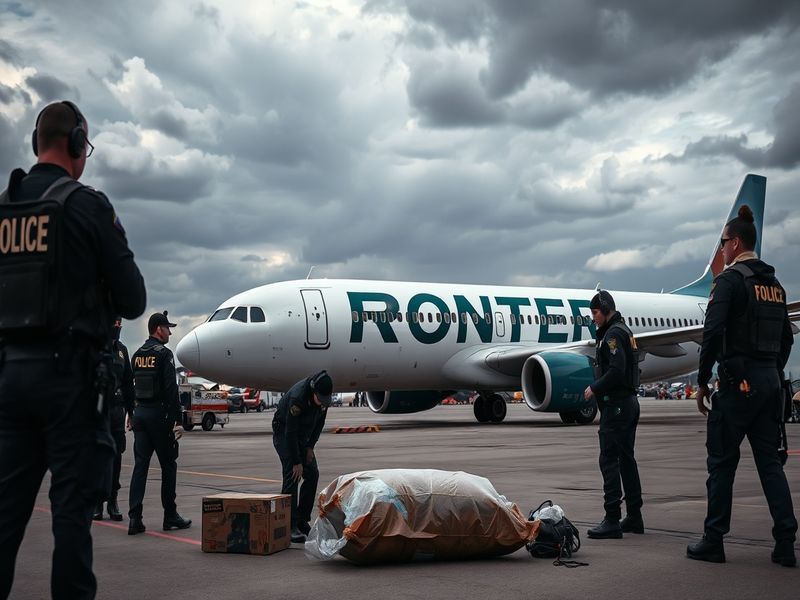
Bomb Threat Forces Frontier Airlines Flight to Return to Gate
On a routine Tuesday afternoon, a Frontier Airlines flight from Orlando to Cleveland became the center of an unsettling security incident. A bomb threat, called in just before takeoff, forced the plane to return to the gate while passengers and crew remained onboard for nearly two hours. The incident highlights ongoing vulnerabilities in aviation security and raises questions about response protocols.
Timeline of the Incident
According to airport authorities and airline statements, the threat emerged at 2:47 PM local time. The flight, designated F9 2147, had already pushed back from the gate when air traffic control received the anonymous call. Frontier Airlines confirmed the threat was taken seriously, and the aircraft was immediately directed back to Orlando International Airport.
The plane remained on the tarmac for an extended period as bomb-sniffing dogs and local law enforcement conducted a thorough search. Passengers reported via social media that they were allowed to disembark only after the situation was fully assessed. No explosives were found, and the flight eventually departed around 5:15 PM—nearly three hours behind schedule.
While no injuries were reported, the incident left travelers frustrated and concerned. One passenger told reporters, “We just wanted to get home. You don’t expect to spend half your day waiting on a runway because of a prank call.”
How Frontier Airlines Responded
Frontier Airlines issued a statement shortly after the incident, thanking law enforcement and airport security for their swift response. The airline emphasized its commitment to passenger safety while acknowledging the disruption caused by the false alarm.
In a press briefing, an Orlando Airport spokesperson noted that bomb threats are rare but not unheard of in aviation. “We treat every threat with the utmost seriousness,” they said. “Our teams follow strict protocols to ensure no risk goes unchecked.”
For Frontier, this incident comes at a time when airlines are already under scrutiny for operational delays and customer service issues. The disruption only adds to the challenges faced by budget carriers in maintaining schedules and passenger trust.
Broader Implications for Aviation Security
This event is not an isolated case. In recent years, bomb threats against commercial flights have increased globally, often targeting major airlines and busy airports. While most turn out to be hoaxes, each one requires a full response—costing time, resources, and passenger confidence.
According to the Federal Aviation Administration (FAA), the U.S. saw a 30% rise in bomb threats against aircraft between 2022 and 2023. Many experts attribute this trend to a combination of heightened geopolitical tensions and the growing accessibility of communication tools that make threats easier to issue.
Key concerns include:
- Response Time vs. Accuracy: Authorities must balance rapid response with thorough investigation to avoid unnecessary panic.
- Passenger Trust: Repeated disruptions can erode confidence in air travel, even when threats are proven false.
- Resource Allocation: Each bomb threat diverts bomb squads, K-9 units, and TSA personnel from other critical duties.
What’s Next for Frontier and the Industry?
For Frontier Airlines, the immediate priority is restoring normal operations and addressing passenger concerns. The airline has not indicated any changes to its security protocols, but industry observers expect a review of communication strategies during in-flight emergencies.
On a broader scale, this incident underscores the need for improved threat detection and response coordination between airlines, airports, and law enforcement. Some aviation analysts suggest investing in advanced screening technology or AI-driven threat assessment tools to help distinguish real risks from false alarms.
Meanwhile, passengers are left to wonder: How safe is air travel if a single phone call can halt an entire flight? The answer, as always, lies in the balance between vigilance and efficiency—a challenge the aviation industry continues to refine.
For more on airline safety and travel disruptions, visit our News section or explore Travel insights for tips on navigating unexpected delays.
Conclusion
The bomb threat on Frontier Airlines Flight 2147 serves as a reminder of the persistent risks in aviation security. While no harm came to passengers, the incident exposed gaps in response time and public communication. As threats evolve, so too must the strategies to counter them—ensuring that safety remains uncompromised without sacrificing the reliability travelers depend on.