Bomb Threat Grounds Frontier Airlines Flights Nationwide
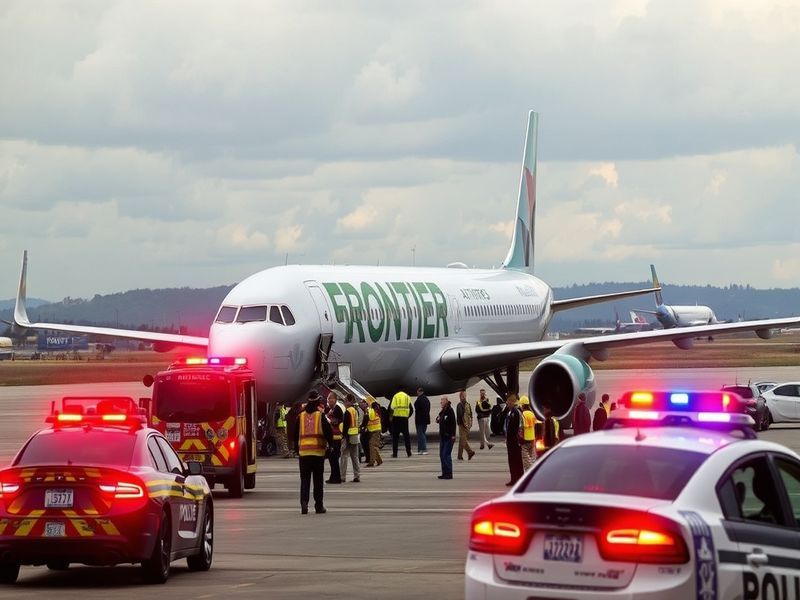
Frontier Airlines experienced widespread disruptions on Monday after receiving a credible bomb threat that led to the grounding of its entire fleet. The incident unfolded rapidly, prompting federal investigation and leaving thousands of passengers stranded across multiple airports. While the threat was later deemed non-credible, the episode underscores vulnerabilities in aviation security and the far-reaching consequences of hoax alerts.
The Timeline of Disruptions
The first reports emerged early Monday morning when Frontier Airlines confirmed it had received a bomb threat targeting multiple flights. Within hours, the Federal Aviation Administration (FAA) issued a ground stop order, halting all departures and arrivals. Airports in Denver, Orlando, Las Vegas, and other major hubs became focal points as passengers scrambled to understand the situation.
By mid-morning, Frontier had canceled over 100 flights, with delays cascading across its network. The airline communicated updates primarily through social media, urging passengers to check their flight status before heading to airports. Some travelers reported wait times exceeding six hours as they sought rebooking options or refunds.
As the day progressed, law enforcement agencies—including the FBI and TSA—launched a joint investigation. Bomb squads conducted sweeps at affected airports, while flight crews underwent additional security screenings. The coordinated response reflected lessons learned from past threats, though the episode still exposed gaps in real-time threat assessment.
Passenger Impact and Industry Response
The bomb threat created immediate chaos for travelers, many of whom had already faced delays due to weather or scheduling issues. Families with young children, elderly passengers, and those with tight connections bore the brunt of the disruption. Social media became a conduit for frustration, with passengers sharing stories of long lines, canceled reservations, and lost luggage.
Frontier Airlines issued a statement apologizing for the inconvenience and waiving change fees for affected passengers. However, the airline’s reputation for ultra-low-cost service came under scrutiny, as travelers questioned whether budget airlines prioritize safety over cost-cutting measures.
The broader airline industry closely monitored the situation. Delta, United, and Southwest—Frontier’s competitors—monitored their own operations for potential copycat threats. Industry analysts noted that bomb threats, while rare, have a disproportionate impact on smaller carriers that lack the resources of legacy airlines to absorb sudden disruptions.
Key Takeaways from the Incident
- Systemic Vulnerability: The episode revealed how quickly a single threat can paralyze an airline’s operations, even if the threat proves baseless.
- Passenger Trust: Airlines must balance transparency with reassurance, as delayed or contradictory information can exacerbate panic.
- Resource Allocation: The investigation highlighted the strain on law enforcement and TSA resources, which are already stretched thin during peak travel seasons.
- Competitive Fallout: Smaller carriers may face heightened scrutiny from regulators and passengers alike, potentially leveling the playing field for larger airlines.
Broader Implications for Aviation Security
While the bomb threat against Frontier Airlines was ultimately deemed non-credible, the incident raises critical questions about aviation security in an era of evolving threats. Hoax alerts, though often dismissed as pranks, carry significant economic and operational costs. According to the FAA, false bomb threats cost airlines and airports millions annually in lost revenue, security measures, and passenger compensation.
The rise of digital communication has made it easier for individuals to issue threats anonymously, complicating law enforcement’s ability to trace origins. In response, some airports have invested in advanced detection technology, such as AI-driven threat analysis tools, to differentiate between genuine risks and hoaxes. However, these measures require substantial investment, posing challenges for regional airports with limited budgets.
Another concern is the psychological toll on passengers. Repeated exposure to security alerts—whether real or fabricated—can desensitize travelers, making it harder to distinguish between credible threats and noise. Airlines and regulators must strike a balance between vigilance and maintaining public confidence in air travel.
What’s Next for Frontier Airlines?
Frontier Airlines resumed normal operations by Monday evening, but the incident leaves lingering questions about its preparedness for future disruptions. The airline has not disclosed whether additional security measures will be implemented, though industry observers expect heightened scrutiny from regulators.
For passengers, the episode serves as a reminder to remain vigilant and flexible when booking flights. While most travelers will never encounter a bomb threat, delays and cancellations remain an unfortunate reality in modern air travel. Airlines that prioritize clear communication and passenger support may recover more quickly from such incidents, preserving customer loyalty in an increasingly competitive market.
As the investigation into Monday’s threat continues, one thing is clear: the aviation industry must adapt to a landscape where security threats—real or imagined—can upend operations in an instant. The lessons learned from this episode will shape policies, technologies, and passenger expectations for years to come.
For more on airline security and travel disruptions, visit our Travel section. To explore the impact of airline policies on passengers, check out our News coverage.
Conclusion
The bomb threat against Frontier Airlines was a stark reminder of the fragility of air travel systems. While the immediate crisis has passed, the incident leaves behind a trail of economic, operational, and psychological repercussions. As airlines and regulators refine their responses to such threats, passengers must remain informed and adaptable. The future of aviation security depends not only on technological advancements but also on transparent communication and a commitment to passenger safety above all else.