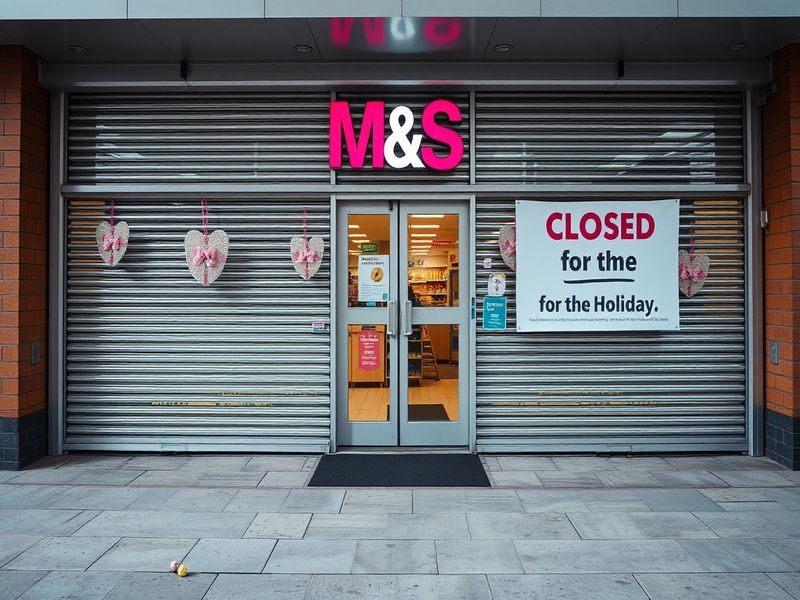
M&S Closes on Easter Sunday: A Cultural Shift in Retail
M&S Closes on Easter Sunday: A Shift in Tradition
Marks & Spencer (M&S), the renowned British retailer, has announced its decision to close its doors on Easter Sunday. This decision marks a significant shift in a long-standing retail tradition that has been a part of the British shopping experience for decades. The closure has sparked discussions surrounding retail practices, consumer habits, and the cultural implications of such a move.
The Historical Context of Easter Trading
Easter Sunday holds substantial cultural and religious significance in many countries. Traditionally, this day has been reserved for family gatherings, church services, and celebrations. In the UK, the retail landscape has seen varied responses to this holiday over the years. While some stores chose to remain open to cater to last-minute shoppers, others have opted to close, respecting the day’s significance.
M&S has historically been one of the retailers that would remain open on Easter Sunday, allowing customers to purchase holiday essentials. However, this year, the company has decided to close, reflecting a growing trend among retailers to prioritize employee welfare and family time over profits.
Reasons Behind M&S’s Decision
The decision to close M&S on Easter Sunday can be attributed to several factors:
- Employee Wellbeing: M&S is focusing on the work-life balance of its employees. By closing on Easter Sunday, the company allows its staff to spend time with their families, acknowledging the importance of personal time.
- Changing Consumer Behavior: With the rise of online shopping and changing consumer habits, the need for physical stores to be open on holidays is diminishing. Many customers now prefer to shop online, reducing foot traffic in stores during holiday periods.
- Corporate Responsibility: M&S has been recognized for its commitment to corporate social responsibility. This decision aligns with its broader goals of promoting sustainable practices and respecting cultural traditions.
This closure is emblematic of a larger trend in the retail sector, where businesses are reevaluating their operations to meet the evolving expectations of both consumers and employees.
The Global Perspective on Holiday Closures
While M&S’s decision is rooted in British culture, it reflects a global conversation about holiday trading practices. In many countries, stores are required by law to close on specific holidays. For instance, in Sweden and Germany, strict regulations govern retail operations on public holidays, often resulting in complete closures. These laws are designed to protect workers and promote family time, a sentiment echoed by M&S’s recent decision.
In contrast, countries like the United States have a more liberal approach to holiday trading, where many retailers remain open on significant holidays. This difference highlights the cultural values surrounding work and family across various regions. In the U.S., the emphasis on consumerism often takes precedence, leading to a different set of expectations from both retailers and consumers.
Consumer Reactions and Future Implications
The announcement of M&S closing on Easter Sunday has elicited mixed reactions from consumers. Some applaud the decision, appreciating the company’s commitment to employee well-being and family values. Others, however, express disappointment, particularly those who have relied on the convenience of shopping on holiday weekends.
Looking ahead, M&S’s move could set a precedent for other retailers in the UK and beyond. As more businesses consider the implications of holiday trading practices, we may see a shift towards prioritizing family time and employee welfare over extended shopping hours. This could lead to a broader cultural change in how holidays are perceived in the retail sector.
As the retail landscape continues to evolve, M&S’s decision to close on Easter Sunday serves as a reminder of the importance of balancing business interests with community and cultural values. The future may hold more closures on significant holidays, reflecting a growing recognition of the need for personal time in an increasingly fast-paced world.
Conclusion
M&S’s closure on Easter Sunday is more than just a business decision; it reflects changing attitudes towards work, consumerism, and the importance of family time. As retailers navigate these shifts, the implications of such closures may reshape the future of shopping in the UK and beyond. With a focus on employee welfare and cultural respect, M&S is leading the way in redefining retail practices in a modern context.
For more insights into the evolving retail landscape, explore our Business section. Additionally, check out our Culture category for a broader understanding of societal shifts.