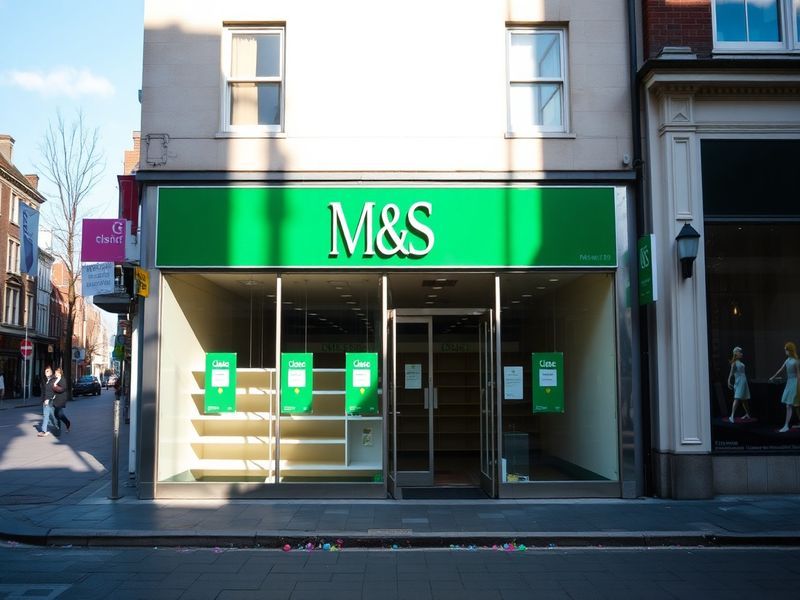
M&S Closes on Easter Sunday: A Reflection on Retail Practices
M&S Closing on Easter Sunday: A Shift in Tradition
Marks & Spencer (M&S), the well-known British retailer, has announced its decision to close on Easter Sunday, a move that has sparked discussions across the country. This decision is not merely a business strategy; it reflects deeper cultural and social dynamics at play in the UK and beyond.
A Historical Perspective
Easter has long been a significant holiday in many cultures, especially in Christianity, symbolizing resurrection and new beginnings. Traditionally, retailers have either remained open or operated on reduced hours, catering to consumers looking to purchase last-minute items for family gatherings or holiday feasts. M&S’s closure on this day marks a departure from this norm, aligning with a growing trend among retailers to respect traditional holidays and allow employees to spend time with their families.
This decision follows a broader movement where companies are reevaluating their operational hours during holidays. The retail sector is facing increasing pressure to prioritize employee well-being and mental health. As consumers become more aware of corporate responsibility, businesses are adapting to these expectations.
Consumer Reactions
The public response to M&S’s decision has been mixed. Many customers appreciate the move as a step towards recognizing the importance of family time during holidays. Others, however, express frustration, particularly those who rely on convenience shopping during festive periods. The closure raises questions about accessibility and consumer choice in a fast-paced society.
- Supporters argue that:
- Employees deserve time off during significant holidays.
- It promotes a family-oriented culture.
- It sets a positive example for other retailers.
- Critics contend that:
- It limits consumer options during busy holiday seasons.
- It may affect sales, especially for last-minute shoppers.
- It could lead to longer queues and overcrowding on other days.
Global Context
Examining M&S’s decision within a global context reveals that this trend is not isolated to the UK. Many countries have regulations regarding retail operations on public holidays. For example, in several European nations, strict laws dictate when stores can open, often favoring employee welfare over profit. In contrast, in the United States, many retailers remain open on holidays, catering to consumer demand, which raises discussions about work-life balance and corporate ethics.
Countries like Germany and Austria place significant importance on Sundays as family days, often prohibiting retail activity altogether. This contrasts sharply with the 24-hour consumer culture prevalent in places like the United States and parts of Asia. As globalization continues to influence consumer habits, the challenge for retailers is finding a balance between operational needs and cultural expectations.
The Future of Retail on Holidays
The retail landscape is evolving. M&S’s choice to close on Easter Sunday could signal a shift towards more thoughtful retail practices. As companies reassess their strategies, several key factors will likely come into play:
- Employee Welfare: Retailers may increasingly prioritize their employees’ rights to family time, especially during major holidays.
- Consumer Preferences: As shoppers become more socially conscious, they may prefer brands that align with their values regarding family and community.
- Regulatory Changes: Governments may enact new laws that encourage or mandate closures on significant holidays, reflecting societal values.
In conclusion, M&S’s closure on Easter Sunday is more than just a business decision; it symbolizes a shift in societal values regarding work, family, and consumerism. As the retail industry continues to adapt to these changing dynamics, the balance between profitability and social responsibility will be crucial. Keeping an eye on how this decision influences other retailers will be important in understanding the future of shopping during holidays.