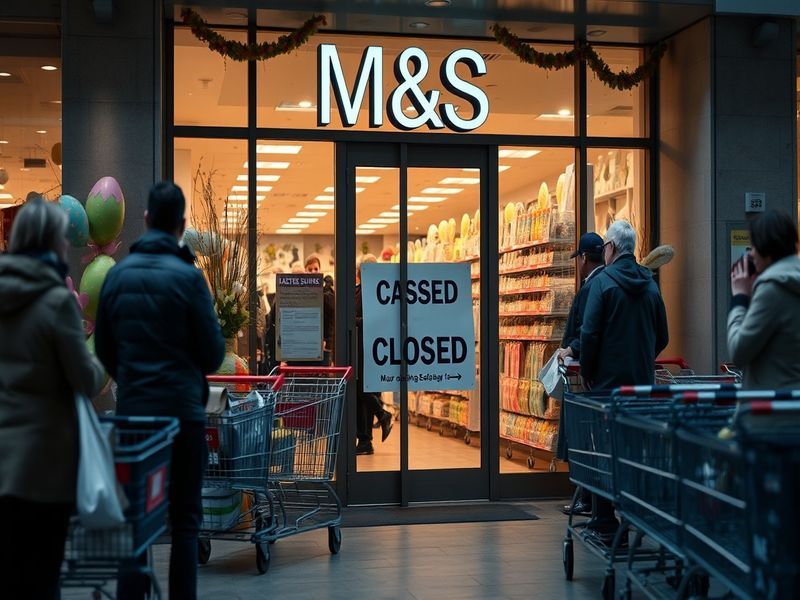
M&S Closing Easter Sunday: Employee Welfare vs. Consumer Needs
M&S Closing on Easter Sunday: A Shift in Tradition
Marks & Spencer (M&S), a staple in British retail, has announced that it will close its stores on Easter Sunday. This decision marks a significant shift in the brand’s operational practices, especially considering the long-standing tradition of remaining open during major holidays. As consumers and employees alike adapt to this change, it raises several points of discussion surrounding retail practices, consumer behavior, and the overall impact on local economies.
Understanding the Decision
The decision to close on Easter Sunday comes as part of M&S’s broader strategy to prioritize employee well-being and work-life balance. The company has been increasingly focused on creating a supportive work environment, which includes giving staff more time off during significant holidays. This move aligns with a growing trend among retailers to recognize the importance of employee satisfaction.
Additionally, market research indicates that consumer shopping habits are evolving. Many shoppers prefer to spend holidays with family and friends rather than shopping. M&S’s choice to close may reflect a strategic shift to cater to these changing preferences.
Implications for Employees and Consumers
The impact of this decision will be felt by both employees and consumers. For employees, the closure provides a rare opportunity to enjoy a holiday without the pressures of working in retail. This could lead to increased job satisfaction and loyalty towards the company.
On the other hand, consumers may face challenges, especially those who rely on last-minute shopping for Easter essentials. M&S has long been a go-to destination for Easter treats, from chocolate eggs to ready-made meals. The closure may force shoppers to seek alternatives from competitors or plan ahead more rigorously.
Consumer Reactions
Public reaction to M&S’s closure has been mixed. Some consumers appreciate the company’s commitment to employee welfare, while others express frustration over the inconvenience it may cause. The retail landscape is highly competitive, and any perceived misstep can lead to customers exploring other options. Here are some common sentiments:
- Support for Employees: Many customers support the decision, recognizing the importance of work-life balance.
- Inconvenience: Some feel that the closure could disrupt their holiday plans, particularly for last-minute shopping.
- Alternatives: Shoppers are considering other retailers that may remain open, which could impact M&S’s sales.
Potential Economic Impact
The economic implications of M&S’s decision to close on Easter Sunday could be significant, particularly for local communities. Many businesses in the vicinity of M&S locations rely on the foot traffic generated by holiday shoppers. If M&S closes its doors, it could lead to a decline in sales for nearby stores and restaurants.
Moreover, this closure may set a precedent for other retailers. If M&S experiences a positive response from consumers regarding employee satisfaction and brand loyalty, other companies may follow suit. Alternatively, if the closure leads to a significant drop in sales, it could deter similar decisions across the retail sector.
Looking Ahead
As M&S implements this change, it will be crucial to monitor the outcomes. The company must effectively communicate its reasoning to customers and reassure them of its commitment to quality and service. Furthermore, it will be important to assess how this decision affects sales and customer loyalty in the long run.
Ultimately, M&S’s closure on Easter Sunday symbolizes a broader shift in retail practices. As consumer preferences evolve and the importance of employee welfare becomes more pronounced, retailers will need to strike a balance between operational needs and customer expectations. The coming months will be pivotal in determining the long-term effects of this significant decision.
For more insights on retail trends, visit our Business section and stay updated on the latest developments.