Semana Santa 2026: Celebrations and Cultural Significance
Semana Santa 2026: A Cultural Celebration Across the Globe
Semana Santa, or Holy Week, is a significant religious observance celebrated in various countries, particularly in Latin America and Spain. In 2026, this week of solemnity and festivity will take place from March 29 to April 4. This annual event not only commemorates the passion, death, and resurrection of Jesus Christ but also showcases a rich tapestry of cultural traditions, art, and community involvement.
The Significance of Semana Santa
The roots of Semana Santa stretch back centuries, with its origins deeply embedded in Christian traditions. Each day of the week holds particular importance, marked by unique rituals and processions. For many, it is a time of reflection, penance, and spiritual renewal. However, it is also a vibrant celebration filled with music, art, and communal gatherings.
Key aspects of Semana Santa include:
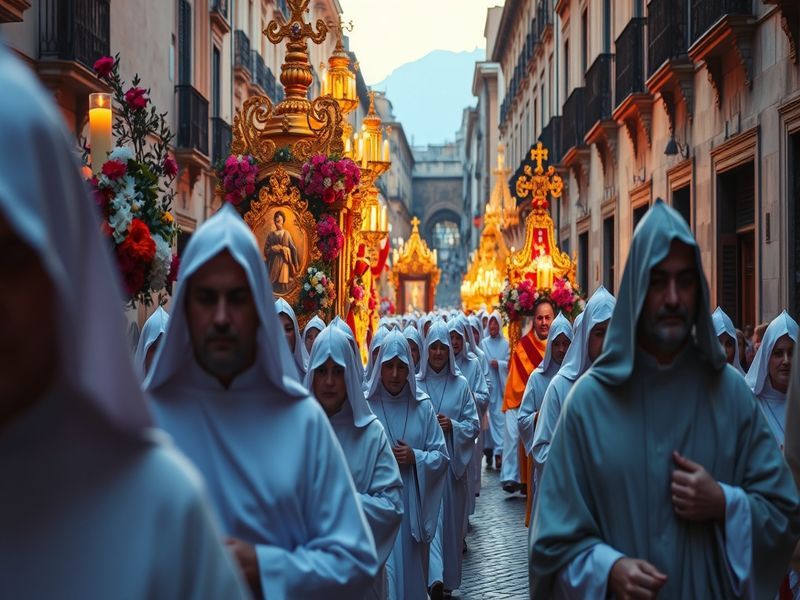
- Processions: Elaborate parades featuring floats, religious icons, and participants dressed in traditional attire.
- Religious Services: Special masses and ceremonies held in churches, emphasizing the spiritual significance of the week.
- Culinary Traditions: Unique dishes and sweets prepared for the occasion, varying by region.
- Community Engagement: Local communities come together to organize events, fostering a sense of unity and shared purpose.
Regional Variations and Celebrations
While Semana Santa is celebrated globally, the customs and traditions can vary significantly from one region to another. For instance, in Seville, Spain, the processions are known for their grandeur and artistic displays, attracting thousands of visitors. The city’s historic streets come alive with the sound of drums and the sight of candlelit floats.
In contrast, countries like Guatemala and Mexico incorporate indigenous elements into their celebrations. The use of intricate carpets made from colored sawdust and flowers is a hallmark of Guatemalan Semana Santa, creating stunning visual displays along the procession routes. Similarly, in Mexico, vibrant street festivals blend traditional Catholic practices with local customs, resulting in a diverse cultural experience.
Broader Implications of Semana Santa 2026
The observance of Semana Santa goes beyond religious significance. It serves as a reflection of cultural identity and heritage for many communities. As globalization continues to influence cultural practices, the way Semana Santa is celebrated may evolve. However, the core values of faith, community, and tradition remain intact.
In the context of contemporary society, Semana Santa also provides an opportunity for reflection on broader social issues. Many participants engage in charitable activities during this week, highlighting the importance of compassion and community support. This aspect of Semana Santa resonates with those looking to make a positive impact in their communities.
Conclusion: Embracing Tradition in a Modern World
Semana Santa 2026 promises to be a moment of spiritual significance and cultural celebration. As communities prepare for this important week, they will not only honor their traditions but also reflect on their values and the role of faith in their lives. The blending of solemnity and festivity creates an atmosphere that fosters connection among participants, making it a truly unique experience.
As we approach this significant event, it is essential to appreciate the rich heritage that Semana Santa represents. Whether through local processions, culinary delights, or community gatherings, the essence of this celebration will undoubtedly shine through, reminding us of the importance of unity and shared values.
For more insights into cultural events and celebrations, visit our Culture and News sections.