Analyzing the Current State of War News in Iran
Current State of Affairs in Iran
The situation in Iran has been a focal point of global attention, particularly in light of recent developments. Tensions have escalated due to various factors, including domestic unrest, international sanctions, and military engagements. Understanding these dynamics is essential for grasping the broader implications for the Middle East and beyond.
Military Engagements and Regional Implications
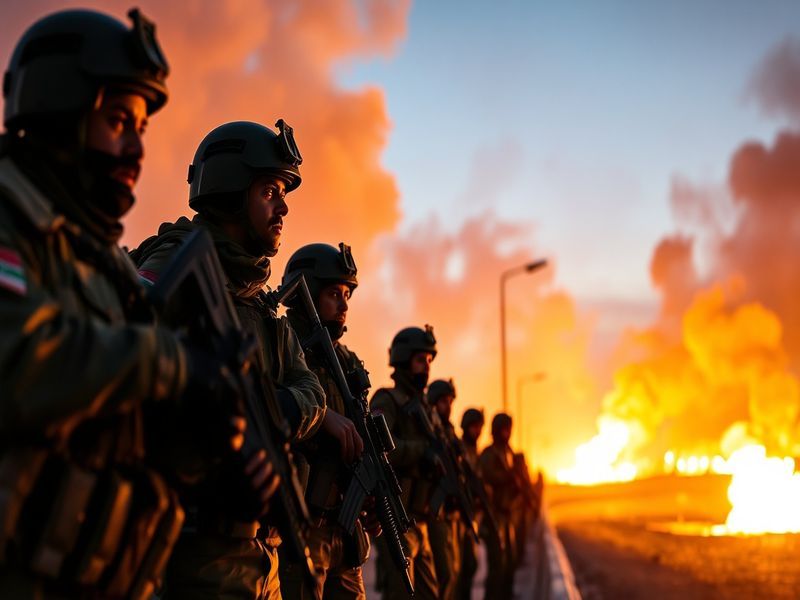
Iran’s military activities have significant ramifications not only for its neighbors but also for international relations. The country’s involvement in conflicts, such as in Syria and Yemen, has drawn criticism and concern from various nations. The Iranian government often positions itself as a defender of Shiite communities in these regions, which complicates its relationships with Sunni-majority countries.
Key military engagements include:
- Support for the Assad regime in Syria, which has faced ongoing civil war since 2011.
- Involvement in the Yemeni conflict, backing the Houthi rebels against a Saudi-led coalition.
- Increasing military presence in the Persian Gulf, raising alarms among Western powers.
Domestic Unrest and Public Sentiment
Internally, Iran has faced significant social unrest. Protests have erupted over various issues, including economic hardship, political repression, and human rights abuses. The government’s response to these demonstrations has often been severe, leading to a cycle of violence that further alienates the populace.
The impact of these protests can be seen in several key areas:
- Economic Strain: Sanctions imposed by the U.S. and other nations have crippled the economy, leading to widespread dissatisfaction.
- Political Repression: The government has cracked down on dissent, limiting freedom of speech and assembly.
- Social Movements: Grassroots organizations and activists continue to push for reform, despite facing significant risks.
International Relations and Future Prospects
Iran’s position on the global stage remains contentious. The nuclear deal, formally known as the Joint Comprehensive Plan of Action (JCPOA), has been a point of contention since the U.S. withdrawal in 2018. Efforts to revive this agreement have stalled, creating uncertainty about Iran’s nuclear ambitions and its ability to engage with the international community.
Countries like China and Russia have shown interest in maintaining ties with Iran, often opposing U.S. sanctions. This geopolitical tug-of-war complicates the situation further, as regional allies of the U.S. feel increasingly threatened by Iran’s actions.
Looking ahead, several scenarios could unfold:
- Continued military engagement in neighboring countries, potentially escalating conflicts.
- Increased domestic unrest leading to significant political changes.
- Attempts to negotiate a new nuclear deal or alternative agreements with other global powers.
In conclusion, the situation in Iran is multifaceted, involving a complex interplay of military, economic, and social factors. As the country navigates these challenges, the impacts will resonate far beyond its borders, influencing global politics and regional stability.