Introduction to Haiti and Iceland
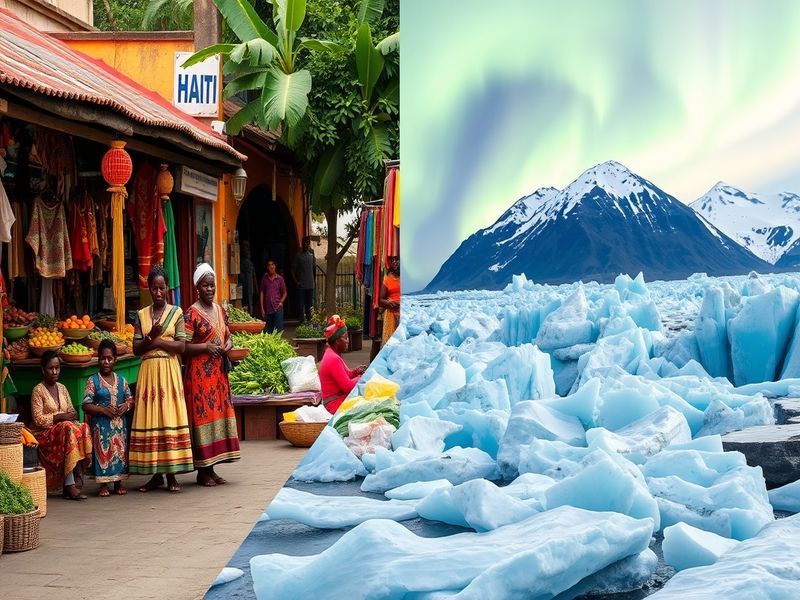
Haiti and Iceland, though vastly different in geography, culture, and socio-economic status, both possess unique characteristics that shape their identities. Haiti, located in the Caribbean, is known for its rich history and vibrant culture but faces significant challenges. In contrast, Iceland, a Nordic island nation, boasts stunning natural landscapes and a strong economy, largely driven by tourism and sustainable practices. This article explores the contrasts and similarities between these two nations, offering insights into their respective cultures, economies, and global standings.
Cultural Heritage and Identity
The cultural landscapes of Haiti and Iceland are distinctly shaped by their histories and environments. Haiti, the first independent black republic in the world, has a rich tapestry of African, French, and indigenous Taíno influences. Haitian art, music, and cuisine reflect this diversity, with vibrant colors and rhythms that tell stories of resilience and hope. Traditional festivals like Carnival showcase this cultural wealth, emphasizing the importance of community and celebration in Haitian life.
Iceland, on the other hand, has a heritage rooted in Norse mythology and Viking history. The Icelandic sagas are a cornerstone of its literary tradition, providing insights into the values and beliefs of early settlers. The modern Icelandic identity is also heavily influenced by its stunning natural surroundings, with a strong emphasis on environmental preservation and sustainability. The annual Þorrablót festival, celebrating traditional foods, is a testament to how Icelanders honor their heritage while embracing contemporary influences.
Economic Landscapes
Economically, Haiti and Iceland are worlds apart. Haiti struggles with poverty and political instability, which have hindered its development. The country relies heavily on agriculture, remittances from abroad, and foreign aid. Despite its challenges, Haiti has a vibrant informal economy and a growing tourism sector, particularly in areas like Jacmel and Port-au-Prince, where art and culture play significant roles.
Iceland’s economy, in contrast, is robust and diverse. It has a high standard of living, supported by sectors such as tourism, fishing, and renewable energy. The country has made significant strides in harnessing geothermal and hydroelectric power, positioning itself as a leader in sustainable energy. This commitment to environmental responsibility not only benefits the economy but also enhances Iceland’s appeal as a travel destination.
Sports and International Presence
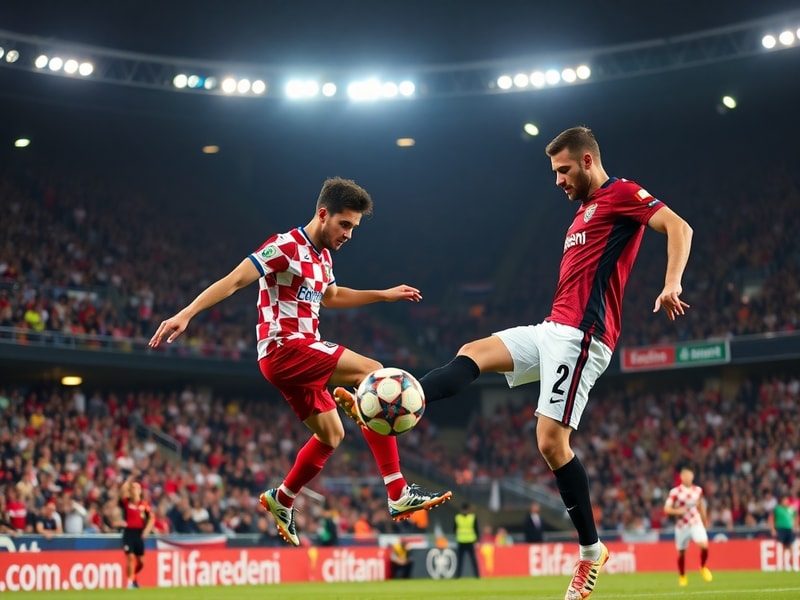
In the realm of sports, both nations have made their mark, albeit in different ways. Haiti has a passionate football culture, with the national team often serving as a source of pride and unity for its citizens. Despite financial constraints and infrastructural challenges, Haitian athletes have represented the country in various international competitions, including the FIFA World Cup.
Iceland has also gained international attention through its national football team, especially during the UEFA Euro 2016 and the 2018 FIFA World Cup. The team’s surprising success galvanized national pride and showcased Iceland’s potential on the global stage. The Icelandic model of sports development emphasizes community participation and youth engagement, contributing to the nation’s overall well-being.
The distinct approaches to sports in Haiti and Iceland reflect broader cultural values. In Haiti, sports serve as a means of resilience and community bonding, while in Iceland, they represent a celebration of national identity and teamwork.
Conclusion
Haiti and Iceland, while contrasting in many respects, share a commitment to cultural expression and community. Haiti’s rich heritage and vibrant culture, despite economic challenges, highlight the resilience of its people. Meanwhile, Iceland’s sustainable practices and strong economy illustrate the benefits of environmental stewardship and innovation. Both nations, through their unique identities and experiences, contribute to the global narrative, reminding us of the diverse ways in which culture and society can thrive.
For more insights into the world of sports and cultural identities, visit our Sports and Culture sections.