Czechia vs Denmark: A Cultural and Political Comparison
Czechia vs Denmark: A Comparative Overview
Czechia and Denmark are two European nations with rich histories and distinct cultural identities. While they may be geographically close, their societal structures, political landscapes, and cultural expressions tell two different stories. This article examines these aspects while highlighting similarities and differences between the two countries.
Historical Context
The historical trajectories of Czechia and Denmark are shaped by their unique experiences. Czechia, formerly part of Czechoslovakia, has a history steeped in both conflict and resilience. Following the Velvet Revolution in 1989, the nation embraced democracy and transitioned to a market economy, leading to significant changes in its societal framework.
Denmark, on the other hand, has a long-standing monarchy dating back over a thousand years. The country has developed a reputation for its welfare state, which emphasizes social equality and public services. Its stability and progressive policies have made Denmark one of the happiest countries in the world according to various global surveys.
Political Structures
Both nations operate under democratic systems, yet they exhibit different political structures. Czechia follows a parliamentary republic model, where the Prime Minister is the head of government. The political environment is characterized by a multi-party system, often resulting in coalition governments.
Denmark’s political structure is also a parliamentary democracy, but it has a constitutional monarchy. The Danish Parliament, known as the Folketing, plays a significant role in shaping policy and governance. The political climate in Denmark is often marked by a strong emphasis on social welfare and environmental policies.
Key Differences in Governance
- Leadership: Czechia has a President and a Prime Minister, while Denmark has a Queen and a Prime Minister.
- Political Parties: Czechia has a diverse party system, while Denmark often sees a few dominant parties.
- Policy Focus: Denmark prioritizes social welfare, while Czechia is currently focusing on economic growth and EU integration.
Cultural Expressions
Culturally, both Czechia and Denmark offer a wealth of artistic and literary contributions. Czechia is renowned for its classical music, particularly composers like Antonín Dvořák and Bedřich Smetana. The country boasts a vibrant theater scene, with Prague being a hub for performing arts and festivals.
Denmark, famous for its design, architecture, and cycling culture, has also produced notable figures in literature, such as Hans Christian Andersen. The Danish concept of “hygge,” which emphasizes coziness and comfort, has gained global attention, influencing lifestyle trends worldwide.
Influence of Sports
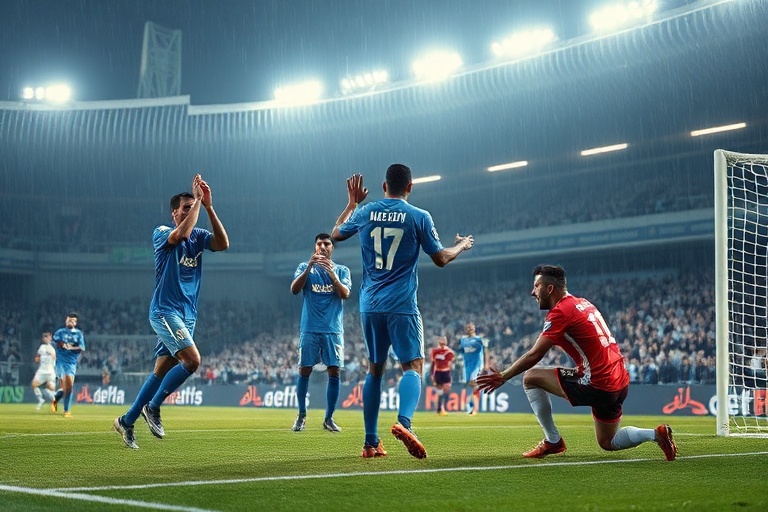
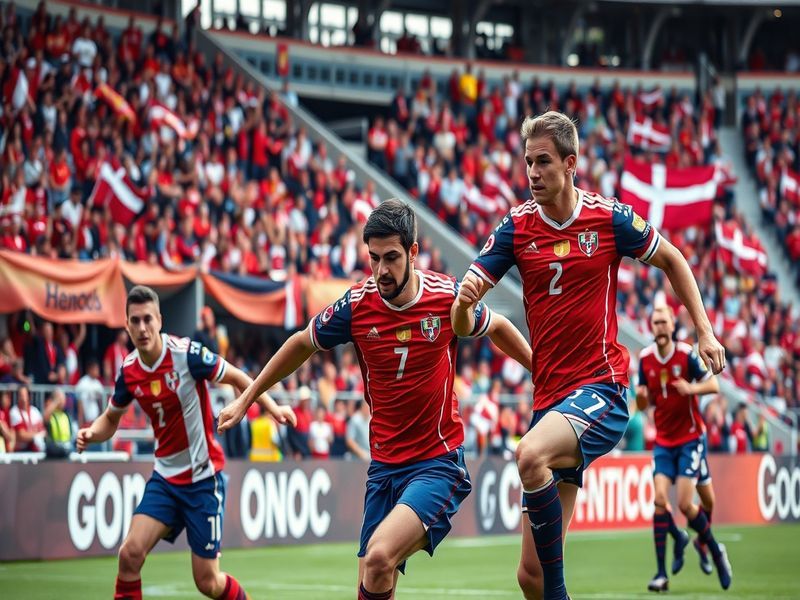
Sports serve as a significant cultural element in both nations. Football is the most popular sport in Denmark, with notable achievements such as winning the UEFA European Championship in 1992. The Danish national team is known for its spirited performances and strong community support.
In Czechia, ice hockey reigns supreme, with the nation boasting a successful history in international competitions. The passion for sports in both countries fosters national pride and unity, often bringing people together during major tournaments.
Conclusion
While Czechia and Denmark differ in historical context, political structures, and cultural expressions, both nations share a commitment to democracy and social welfare. The unique characteristics of each country contribute to the rich tapestry of European culture. As global citizens, understanding these differences enhances our appreciation of the diverse world we inhabit.
For more insights into sports and cultural comparisons, visit our Sports section. Explore how different nations express their identities through various forms of art and sport.