Bolivia: A Nation of Rich Culture and Diversity
Bolivia, a landlocked country in South America, is renowned for its diverse cultures, stunning landscapes, and rich history. With a population comprising various indigenous groups, mestizos, and other ethnicities, Bolivia presents a unique tapestry of traditions and customs. This article explores the various aspects of Bolivia, from its cultural heritage to its contemporary challenges and achievements.
Cultural Heritage and Ethnic Diversity
Bolivia is home to over 30 indigenous groups, each with its own language, traditions, and customs. The most prominent among them include the Aymara and Quechua peoples. Festivals such as Inti Raymi and Día de los Muertos highlight the vibrant cultural practices that have been preserved through generations.
- Inti Raymi: Celebrated in June, this festival honors the Inca sun god, showcasing traditional music, dance, and rituals.
- Día de los Muertos: A time to remember and celebrate deceased loved ones, this festival features colorful altars and offerings.
- Carnaval de Oruro: A UNESCO-recognized event, it combines indigenous traditions with Catholic influences, featuring elaborate costumes and parades.
These celebrations not only serve as a means of preserving cultural identity but also attract tourists from around the globe, contributing to Bolivia’s economy. However, the preservation of these traditions faces challenges due to modernization and globalization.
Geography and Natural Wonders
Bolivia’s geography is as diverse as its people. From the majestic Andes mountains to the vast Amazon rainforest, the country boasts some of the most breathtaking landscapes in the world. The Salar de Uyuni, the largest salt flat globally, is a stunning natural wonder that draws visitors for its surreal beauty.
The country is also home to several national parks that protect its unique flora and fauna. These natural reserves are crucial for conservation efforts and provide opportunities for eco-tourism. However, environmental issues such as deforestation and climate change pose significant threats to these ecosystems.
Contemporary Challenges and Achievements
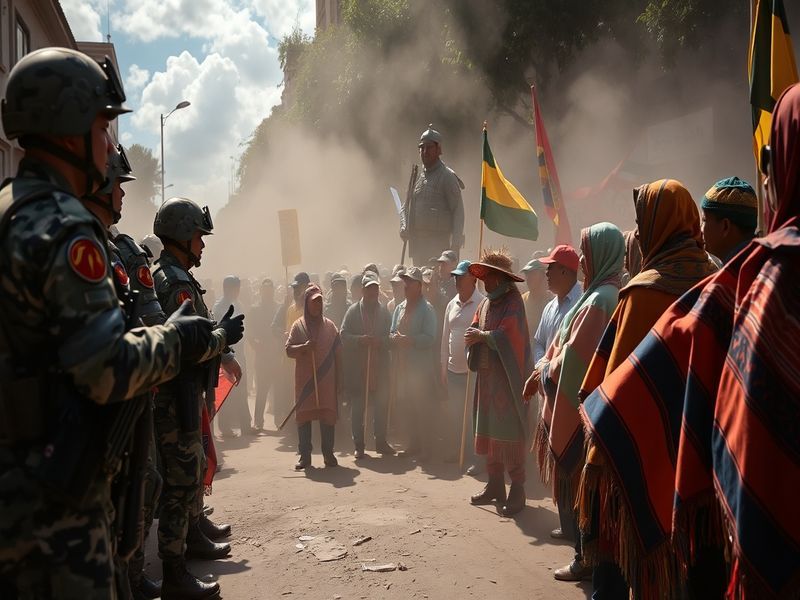
While Bolivia has made strides in various areas, it faces numerous challenges. Political instability has been a recurring issue, with tensions between different ethnic groups and political factions. The resignation of former President Evo Morales in 2019 marked a significant turning point in Bolivian politics and highlighted the need for unity and dialogue among its diverse population.
Despite these challenges, Bolivia has made notable achievements, particularly in social reforms and economic growth. The nationalization of key industries has allowed for increased investment in education and healthcare. Moreover, Bolivia’s commitment to renewable energy sources, particularly solar and wind, is paving the way for a more sustainable future.
- Social Reforms: Increased access to education and healthcare for marginalized communities.
- Economic Growth: Growth in sectors such as tourism and agriculture.
- Environmental Initiatives: Investment in renewable energy and conservation efforts.
International cooperation plays a vital role in addressing Bolivia’s challenges. Collaborations with organizations and neighboring countries aim to foster economic development and promote cultural exchange.
Conclusion
Bolivia is a nation rich in culture and natural beauty, facing both challenges and opportunities. The interplay of its diverse ethnic groups and stunning landscapes creates a unique identity that sets it apart on the global stage. As Bolivia continues to navigate its path forward, the resilience of its people and the preservation of its cultural heritage will be essential in shaping a brighter future.
For more on global cultures and their unique stories, visit our Culture section or explore the latest in Sports news.