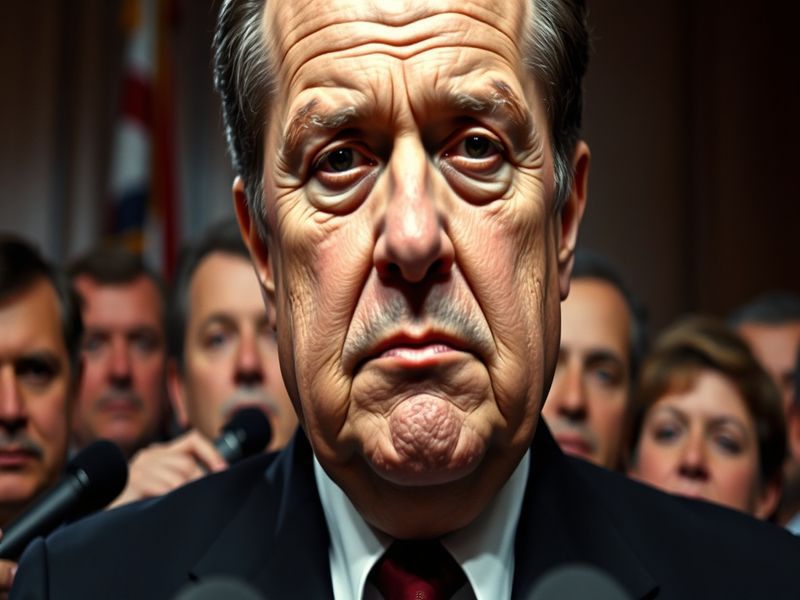
Introduction to Richard Nixon
Richard Nixon, the 37th President of the United States, remains one of the most complex figures in American political history. His presidency, marked by significant achievements and profound controversies, offers a multi-faceted view of leadership in the turbulent 1960s and 1970s. Nixon’s journey from a determined politician to a disgraced leader is a narrative filled with ambition, strategy, and eventual downfall.
The Early Years and Political Rise
Nixon was born on January 9, 1913, in Yorba Linda, California. His early life was shaped by modest beginnings, which fueled his ambition. After serving in the Navy during World War II, he entered politics and quickly made a name for himself. In 1947, he was elected to the House of Representatives, and by 1950, he had secured a Senate seat.
His political career took a significant leap when he became Dwight D. Eisenhower’s running mate in the 1952 presidential election. As Vice President, Nixon played a crucial role in the administration, particularly in foreign policy. His experiences during this time laid the groundwork for his own presidential campaign in 1968.
Presidency and Major Policies
Nixon’s presidency, which lasted from 1969 to 1974, was marked by several landmark policies and events. His administration is often recognized for:
- Foreign Relations: Nixon’s visit to China in 1972 opened diplomatic relations that had been severed for decades. This strategic move reshaped global politics.
- The Vietnam War: Nixon implemented a policy of “Vietnamization,” aiming to withdraw American troops while transferring responsibility to South Vietnamese forces.
- Domestic Policies: His administration saw significant progress in environmental legislation, culminating in the establishment of the Environmental Protection Agency (EPA) in 1970.
Despite these achievements, the shadow of the Watergate scandal loomed large over Nixon’s presidency. The break-in at the Democratic National Committee headquarters and the subsequent cover-up efforts ultimately led to his resignation.
The Watergate Scandal
The Watergate scandal began as a seemingly minor political burglary but escalated into a major constitutional crisis. The scandal revealed a pattern of abuse of power, including illegal activities by members of the Nixon administration. Nixon’s insistence on maintaining secrecy and his attempts to cover up the scandal led to widespread public distrust.
In 1974, following the release of the infamous tapes that documented his involvement in the cover-up, Nixon faced impeachment proceedings. Rather than endure the humiliation of being the first U.S. president to be impeached, he chose to resign on August 8, 1974. His departure from office marked a significant moment in American history, showcasing the limits of presidential power.
Legacy and Reflection
Richard Nixon’s legacy is a subject of ongoing debate. On one hand, his foreign policy achievements, particularly in China and détente with the Soviet Union, are often viewed in a favorable light. On the other hand, the Watergate scandal has overshadowed these accomplishments, leading many to question his integrity and ethical standards.
Scholars and political analysts frequently assess Nixon’s impact on American politics. Some key points of reflection include:
- Political Polarization: Nixon’s presidency is often seen as a catalyst for the increasing divide in American politics.
- Media Relations: His administration’s contentious relationship with the media set a precedent for future interactions between political leaders and journalists.
- Public Trust: The fallout from Watergate significantly eroded public trust in government, a sentiment that resonates in contemporary politics.
Nixon’s life story serves as a powerful reminder of the complexities of political leadership and the delicate balance of power. His triumphs and failures continue to shape discussions about ethics in politics and the role of the presidency in American democracy.
Conclusion
Richard Nixon remains a pivotal figure in American history. His journey from a determined politician to a president embroiled in scandal offers valuable lessons about ambition, power, and the consequences of political actions. As the nation reflects on his legacy, it is essential to consider both his contributions and his failures, providing a nuanced understanding of a leader who left an indelible mark on the fabric of American politics.