Exploring the Contrasts Between Haiti and Iceland
Introduction to Haiti and Iceland
Haiti and Iceland, two nations located at opposite ends of the globe, showcase stark contrasts in geography, culture, and socio-economic conditions. Haiti, situated in the Caribbean, is known for its vibrant culture, rich history, and challenges stemming from natural disasters and political instability. Iceland, on the other hand, is a Nordic island nation famed for its stunning landscapes, geothermal activity, and stable governance.
Geographical and Environmental Context
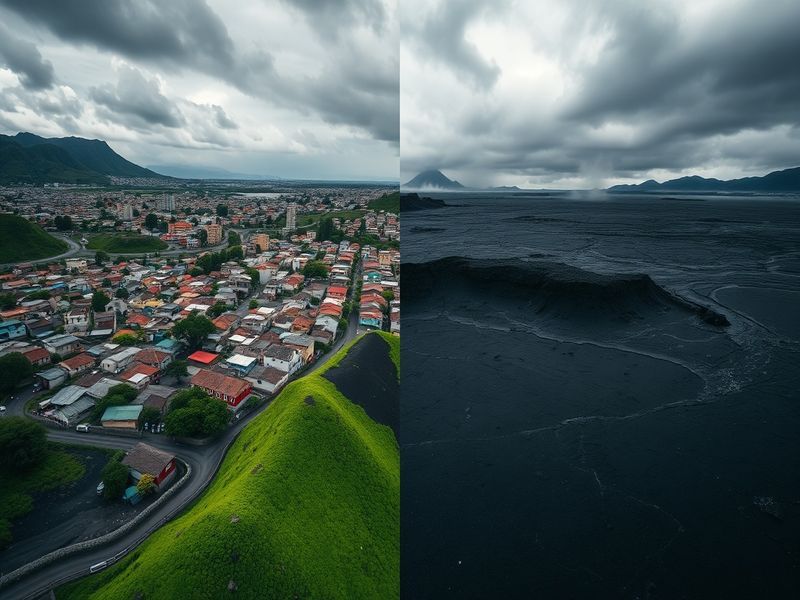
The geographical differences between Haiti and Iceland are pronounced. Haiti, occupying the western third of the island of Hispaniola, is characterized by mountainous terrain and a tropical climate. This climate often leads to hurricanes and heavy rainfall, which can cause devastating floods and landslides.
Iceland, in stark contrast, is a land of glaciers, geysers, and volcanic activity. The island’s unique geological features have made it a hotspot for tourists seeking natural wonders. Additionally, the relatively mild climate, due to the Gulf Stream, allows for a diverse range of flora and fauna.
Cultural Richness and Historical Background
Haitian culture is a vibrant tapestry woven from African, French, and indigenous Taíno influences. Music, art, and dance play a significant role in the daily lives of Haitians, with genres like Kompa and Rara reflecting the nation’s rich heritage. Festivals such as Carnival are celebrated with fervor, showcasing colorful parades and traditional costumes.
Icelandic culture is deeply rooted in Norse traditions and literature, with the Sagas of the Icelanders being a significant part of its literary history. The modern Icelandic society values literature, music, and the arts, contributing to a thriving cultural scene. Festivals like the Reykjavik Arts Festival highlight this commitment to creativity and innovation.
Socio-Economic Conditions
The socio-economic scenarios in Haiti and Iceland offer a striking contrast. Haiti, despite its cultural wealth, faces numerous challenges. Poverty, inadequate infrastructure, and political instability have hindered its development. The country often relies on international aid and remittances from Haitians living abroad to sustain its economy.
Iceland, meanwhile, boasts a high standard of living, robust welfare systems, and a strong economy driven by tourism, fishing, and renewable energy. The nation’s focus on sustainability and innovation has positioned it as a leader in environmental conservation. The following list highlights key differences in their socio-economic conditions:
- Haiti:
- High poverty rate (around 60%)
- Dependence on agriculture and remittances
- Frequent natural disasters impacting infrastructure
- Iceland:
- Low unemployment rate (around 3.5%)
- Strong focus on renewable energy
- High levels of education and healthcare
Global Perspectives and Connections
While Haiti and Iceland may seem worlds apart, they are connected through global issues such as climate change, migration, and cultural exchange. Haiti’s vulnerability to climate-related disasters raises concerns about environmental justice and international aid. As sea levels rise and storms become more frequent, the need for sustainable solutions becomes imperative.
Iceland, with its progressive policies and commitment to sustainability, can offer valuable insights into disaster preparedness and environmental management. Collaborative efforts between these nations could lead to innovative solutions benefiting both parties. For instance, Iceland’s expertise in geothermal energy could be instrumental in helping Haiti develop sustainable energy sources.
Conclusion
Haiti and Iceland represent two distinct narratives shaped by their geography, culture, and socio-economic realities. While they face different challenges, both nations have rich histories and cultural legacies that contribute to the global community. By fostering connections and understanding between these diverse regions, there lies potential for mutual growth and learning. As we explore the complexities of global interactions, the stories of Haiti and Iceland remind us of the importance of resilience, creativity, and solidarity.
For more insights on global cultures and socio-economic issues, visit our Culture and Analysis sections.