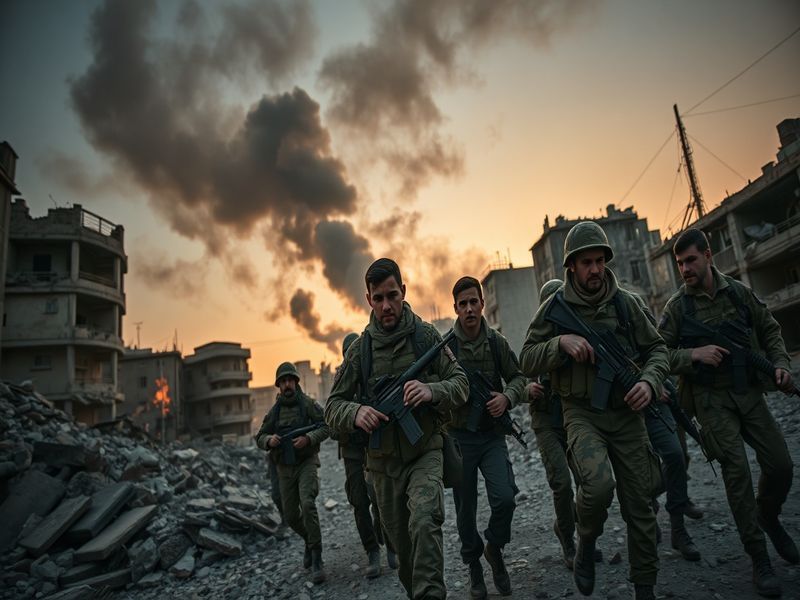
Exploring the Iran War: Causes, Course, and Consequences
Understanding the Iran War: A Historical Overview
The Iran War, often referred to as the Iran-Iraq War, was a conflict that spanned from 1980 to 1988. It was marked by significant geopolitical implications and a staggering human cost. The war began when Iraq, led by Saddam Hussein, invaded Iran, igniting a protracted and devastating conflict between the two nations. The motivations behind this invasion were rooted in territorial disputes, political differences, and a struggle for regional dominance.
The Causes of the Conflict
Several factors contributed to the outbreak of the Iran-Iraq War. Understanding these causes provides insight into the complexities of Middle Eastern politics. Some of the primary reasons include:
- Border Disputes: The Shatt al-Arab waterway has long been a point of contention between Iran and Iraq, with both countries claiming rights over its navigation.
- Political Ideologies: The Islamic Revolution in Iran in 1979 created a theocratic regime that opposed Iraq’s secular Ba’athist government, leading to increased tensions.
- Regional Power Dynamics: Iraq sought to assert itself as a regional leader, fearing that Iran’s revolutionary fervor could inspire uprisings within its borders.
The Course of the War
The Iran-Iraq War was characterized by trench warfare, chemical weapons usage, and a series of bloody offensives. Initially, Iraq made significant territorial gains, but Iran’s resilience led to a prolonged stalemate. Both nations experienced immense losses, with estimates of casualties reaching over a million people.
As the war dragged on, it became increasingly brutal. Iran employed human wave tactics, sending thousands of young soldiers into battle. Iraq, on the other hand, utilized chemical weapons, which led to widespread condemnation from the international community. The war saw the involvement of foreign powers, with the United States and several Gulf States supporting Iraq, while Iran received backing from groups sympathetic to its revolutionary cause.
The Human Cost
The human toll of the Iran-Iraq War was staggering. Both countries faced devastating losses that would shape their societies for generations. The impact on the civilian population was particularly severe, with millions displaced and cities devastated by bombings and warfare.
In addition to immediate casualties, the war left lasting psychological scars on the populations of both nations. Veterans returned home with physical and mental injuries, and the societal impacts of such a protracted conflict continue to be felt today.
The Aftermath and Legacy
By the time the war officially ended in 1988, neither side had achieved a decisive victory. The conflict resulted in a stalemate, with both nations suffering immense economic and social devastation. The war also laid the groundwork for future conflicts in the region, including the Gulf War and the ongoing tensions between Iran and its neighbors.
The legacy of the Iran-Iraq War continues to resonate in contemporary geopolitics. The animosities forged during this period still influence relations in the Middle East today. Additionally, the war had significant implications for global oil markets, given the region’s critical role in oil production and distribution.
Conclusion
The Iran War remains a pivotal chapter in Middle Eastern history. Its causes, course, and consequences provide valuable lessons about the complexities of regional politics and the human cost of war. As we reflect on this conflict, it is essential to consider how the legacies of past wars shape current events and the future of the region. Understanding this history is crucial for anyone looking to grasp the intricacies of Middle Eastern relations today.
For more insights into geopolitical conflicts, visit our news section or explore our analysis articles.