K-Pop Demon Hunters: McDonald’s Innovative Marketing Strategy
K-Pop Meets McDonald’s: The Rise of Demon Hunters
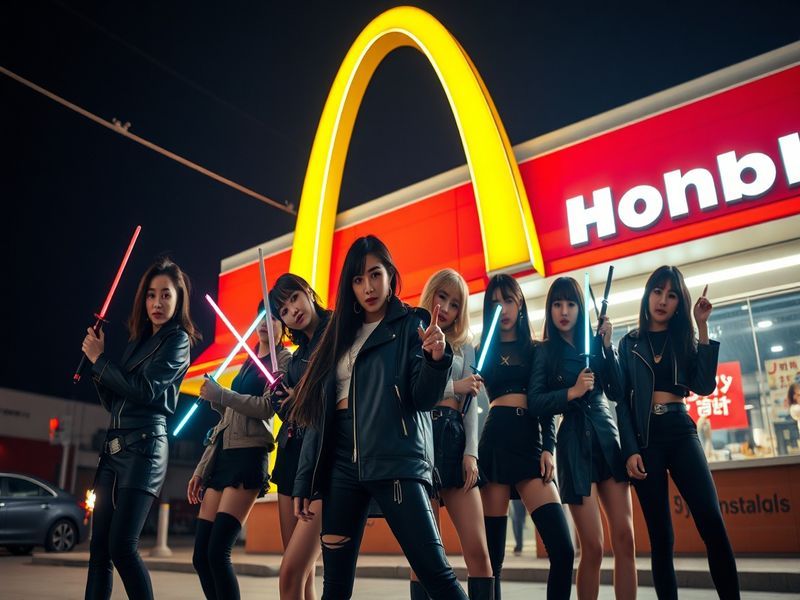
The intersection of K-Pop and fast food has produced some intriguing collaborations, but none quite as striking as the recent partnership featuring demon hunters. This unique blend of pop culture, gaming, and culinary experiences has captured attention across various platforms. As fans embrace this novel concept, it raises questions about the evolving nature of entertainment and marketing.
The Concept Behind K-Pop Demon Hunters
At its core, the K-Pop demon hunter phenomenon merges vibrant music, stylish visuals, and engaging narratives. Fans are not merely passive observers; they actively participate in the unfolding stories. This participation is amplified through social media, where fans create content that extends the life of their favorite idols and concepts. The demon hunter theme adds a layer of excitement and fantasy, appealing to a broad audience.
Key elements of this trend include:
- Visual Aesthetics: Bold colors, intricate costumes, and captivating choreography enhance the overall experience.
- Narrative Depth: Each performance often tells a story, allowing fans to immerse themselves in a world of fantasy.
- Community Engagement: Fans actively share their interpretations and creations, fostering a sense of belonging.
- Brand Collaborations: Partnerships with brands like McDonald’s introduce new ways to experience K-Pop.
McDonald’s Role in the K-Pop Phenomenon
Fast food giant McDonald’s has long been known for its innovative marketing strategies. Collaborations with popular culture icons are a staple of their approach. The partnership with K-Pop demon hunters is a strategic move aimed at attracting younger demographics. By tapping into the vibrant K-Pop community, McDonald’s not only boosts its brand visibility but also creates a unique dining experience.
Special menu items inspired by the demon hunter theme have become conversation starters. For instance, limited-time offerings feature packaging adorned with K-Pop motifs and characters. This strategy not only drives sales but also enhances the overall customer experience. Fans flock to McDonald’s not just for food, but for a taste of the K-Pop world.
Broader Implications of This Trend
The K-Pop demon hunter collaboration with McDonald’s illustrates a shift in how brands engage with consumers. It highlights the importance of storytelling in marketing. In an age where audiences seek meaningful connections, brands are adapting by crafting narratives that resonate with their target demographics. The fusion of entertainment and consumerism is becoming more pronounced, leading to new marketing paradigms.
This trend also reflects changing consumer behaviors. Younger generations are looking for experiences rather than mere transactions. By embedding K-Pop culture into their offerings, McDonald’s creates an environment where dining becomes an event. This strategy could set a precedent for future collaborations across various industries, where brands leverage pop culture to create immersive customer experiences.
Conclusion
The emergence of K-Pop demon hunters at McDonald’s serves as a fascinating case study in modern marketing. It showcases how brands can effectively engage with audiences by tapping into cultural phenomena. As this trend continues to evolve, it is likely to influence how businesses approach collaborations and customer interactions. The blend of entertainment, community, and consumerism is reshaping the landscape of marketing, and the implications for the future are vast.
For more insights into the latest trends, check out our Music and Culture sections.