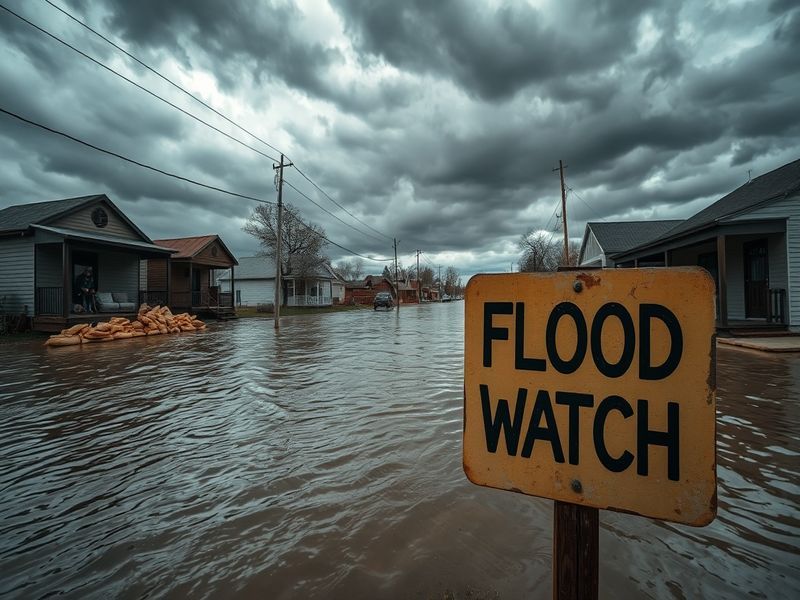
Understanding Flood Watches: Preparation and Global Perspectives
Understanding Flood Watches: A Global Perspective
Flood watches serve as a crucial alert system designed to inform communities about the potential for flooding. These watches are issued by meteorological agencies and are based on various weather conditions that could lead to significant water accumulation. While the specifics of a flood watch can vary by region, the underlying purpose remains consistent: to prepare individuals and communities for possible flooding events.
The Mechanics of a Flood Watch
A flood watch is not a guarantee of flooding, but rather a warning that conditions are favorable for flooding to occur. Meteorologists analyze a range of factors, including rainfall forecasts, river levels, and soil saturation. When these elements align, a flood watch is issued, prompting local authorities and residents to take precautionary measures.
- Monitoring Weather Patterns: Continuous observation of weather systems is essential.
- Community Preparedness: Residents should be aware of their local flood risk and have plans in place.
- Emergency Services Coordination: Local agencies must prepare to respond quickly if flooding occurs.
In many regions, the issuance of a flood watch can lead to increased public awareness and readiness. Communities often engage in discussions about flood preparedness, which can include everything from emergency kits to evacuation plans. The effectiveness of these watches largely depends on how well the information is communicated to the public.
The Cultural Context of Flood Watches
Globally, the impact of flood watches varies widely based on local culture and geography. In countries prone to monsoons, like India and Bangladesh, flood watches are integral to the annual cycle, influencing agricultural practices and disaster preparedness strategies. Conversely, in regions less accustomed to flooding, such as parts of the United States, these alerts may be met with skepticism or confusion.
The way communities respond to flood watches can also reflect cultural attitudes towards nature and risk. For example, in some cultures, there is a strong emphasis on community resilience and collective action, leading to organized response efforts. In contrast, other cultures may prioritize individual preparedness, with families taking it upon themselves to safeguard their homes.
Global Case Studies: Flood Watches in Action
Examining various case studies can provide insight into how flood watches function across different regions:
- Bangladesh: In the monsoon season, flood watches are crucial. The government collaborates with NGOs to disseminate information quickly, helping communities prepare for impending floods.
- United States: The National Weather Service issues flood watches in response to heavy rainfall. Awareness campaigns educate citizens on the importance of heeding these warnings, especially in flood-prone areas.
- Australia: The Bureau of Meteorology utilizes advanced forecasting technology. Flood watches are often paired with community engagement initiatives to foster preparedness.
These examples illustrate that while the mechanisms of flood watches may be similar, the effectiveness of their implementation can differ dramatically based on cultural context and governmental infrastructure.
Preparing for Flood Watches
Being prepared for a flood watch involves several proactive steps. Residents should stay informed about local weather conditions and understand the specific risks associated with their area. Here are some practical tips for preparation:
- Stay Informed: Regularly check weather updates and alerts from official sources.
- Create an Emergency Plan: Ensure all family members know what to do in case of flooding.
- Build an Emergency Kit: Stock essential supplies, including food, water, medications, and important documents.
- Know Your Evacuation Routes: Familiarize yourself with safe paths to higher ground.
Being proactive can save lives and reduce property damage. Communities that prioritize preparedness often fare better during flooding events, demonstrating the importance of education and awareness.
Conclusion
Flood watches are an essential component of disaster preparedness and response, serving to inform and equip communities around the globe. The cultural context and regional differences in responding to these alerts highlight the significance of localized strategies and education. By understanding the mechanics behind flood watches and implementing proactive measures, individuals and communities can better navigate the challenges posed by flooding.
For more insights into related topics, consider exploring our Sports section, where we discuss how weather impacts outdoor activities, or our News category for the latest updates on environmental issues.