Tornadoes in Cleveland: A Rare but Serious Threat
While tornadoes are more commonly associated with states in the Midwest and South, Cleveland, Ohio, is not immune to these powerful storms. In fact, the region has experienced its share of tornado events, sometimes with devastating consequences. Understanding the patterns, impacts, and preparedness measures for tornadoes in Cleveland is crucial for residents and officials alike.
Historical Context of Tornadoes in Cleveland
Cleveland’s geographical location places it on the edge of Tornado Alley, a term commonly used to describe an area in the central U.S. that experiences a high frequency of tornadoes. However, tornadoes can and do occur in Ohio, including in Cleveland. The National Weather Service (NWS) has recorded several significant tornadoes in the area, with notable events occurring in:
- 1974: A major tornado outbreak struck Ohio, affecting Cleveland and surrounding areas.
- 1985: A tornado caused significant damage in the suburb of Strongsville.
- 2010: An EF0 tornado touched down in the Cleveland area, demonstrating that these storms are not a rarity.
These events serve as a reminder that tornadoes can occur unexpectedly, even in regions where they are not prevalent. Awareness and preparedness are key to minimizing risks associated with such storms.
Impacts of Tornadoes on the Community
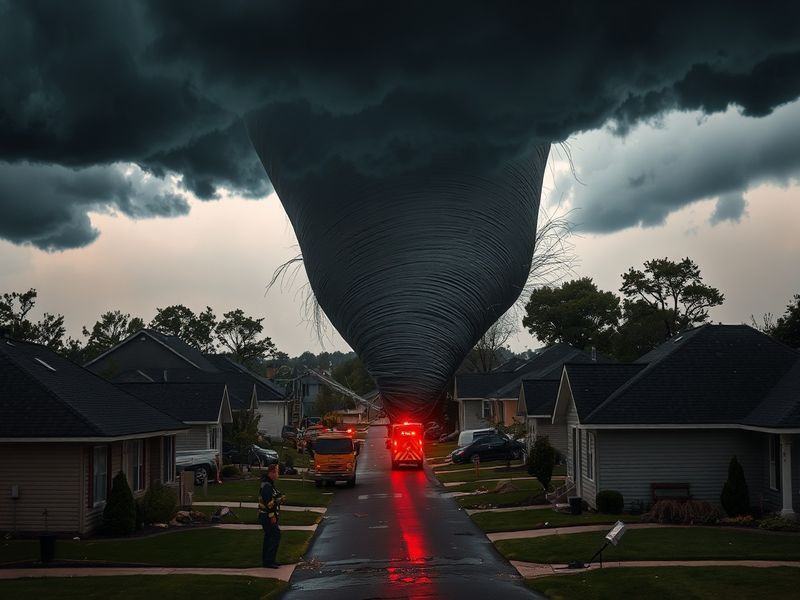
The impact of tornadoes on Cleveland can be profound. These storms can lead to loss of property, injury, and even fatalities. The aftermath often requires extensive recovery efforts, including rebuilding homes and infrastructure. The emotional toll on affected families and communities can be substantial, as residents cope with the destruction of their lives and livelihoods.
Furthermore, tornadoes can disrupt local economies. Businesses may face closures during recovery periods, and the cost of repairs can strain financial resources. The implications extend beyond immediate physical damage, affecting community morale and resilience.
Preparedness and Safety Measures
Given the potential for tornadoes in Cleveland, it is essential for residents to be prepared. Here are some key safety measures to consider:
- Stay Informed: Keep abreast of local weather forecasts and warnings. The NWS provides timely updates during severe weather events.
- Create a Plan: Develop a family emergency plan that includes designated meeting spots and communication methods in case of separation during a storm.
- Build an Emergency Kit: Assemble a kit with essential supplies, including food, water, medications, and first-aid items.
- Know Your Shelter Options: Identify safe locations in your home or community, such as basements or storm shelters, where you can take cover during a tornado.
- Practice Drills: Regularly conduct tornado drills with your family to ensure everyone knows what to do when a warning is issued.
Engagement from local authorities and community organizations can enhance preparedness efforts. Educational programs that focus on tornado awareness and safety can empower residents to act decisively during emergencies.
Broader Implications for Urban Planning and Climate Resilience
The occurrence of tornadoes in urban areas like Cleveland raises important questions about urban planning and climate resilience. As climate change continues to influence weather patterns, cities may experience more extreme weather events, including tornadoes. It is essential for city planners to consider these factors when designing infrastructure and emergency response strategies.
Investing in resilient infrastructure can mitigate the impacts of tornadoes and other severe weather events. This includes retrofitting buildings to withstand strong winds, developing efficient drainage systems to prevent flooding, and ensuring that emergency services are equipped to respond quickly and effectively.
Moreover, community awareness and education play a crucial role in fostering resilience. By promoting understanding of weather patterns and emergency preparedness, cities can cultivate a culture of safety that empowers residents to act during crises.
Conclusion
Tornadoes may not be a frequent occurrence in Cleveland, but their potential for devastation makes it imperative for residents to remain vigilant and prepared. Historical context reveals that these storms can and do happen, reminding us of the need for ongoing awareness and proactive measures. By prioritizing community education, emergency preparedness, and resilient urban planning, Cleveland can better protect its residents from the impacts of tornadoes and other severe weather events.
For more information on weather preparedness and safety tips, visit our News and Analysis sections.