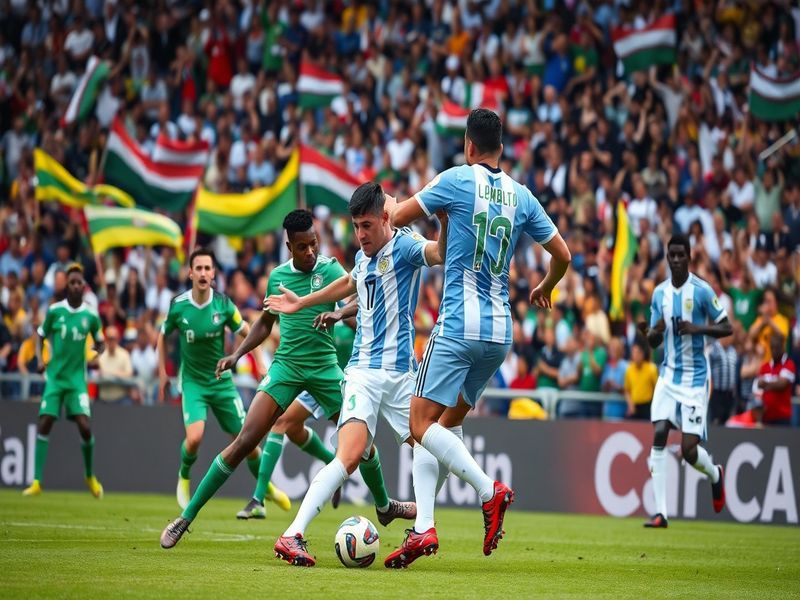
Argentina vs Zambia: A Clash of Football Cultures
Argentina vs Zambia: A Clash of Football Cultures
The matchup between Argentina and Zambia in football encapsulates the unique narratives and rich histories that each country brings to the sport. Argentina, renowned for its football legacy, boasts a history filled with legendary players and World Cup triumphs. Zambia, on the other hand, while not as globally recognized, has made significant strides in African football and has its own compelling story to tell. This article delves into the cultural significance, historical context, and tactical approaches of both teams.
Historical Context of Football in Argentina
Argentina’s football culture is steeped in passion. The country has produced some of the greatest players in the history of the sport, including Diego Maradona and Lionel Messi. Football is more than just a pastime; it is a vital part of the national identity. The Argentine league, known as Liga Profesional de Fútbol, is one of the most competitive in the world, and clubs like Boca Juniors and River Plate have fervent followings.
The national team has won the FIFA World Cup twice, in 1978 and 1986, showcasing its dominance on the global stage. Argentine football is characterized by skillful play, creativity, and a strong emphasis on teamwork. The fans, known as “hinchas,” are known for their unwavering support, often filling stadiums to capacity and creating an electrifying atmosphere.
Zambia: Rising Through the Ranks
Zambia’s football journey is one of resilience and determination. The national team, known as the Chipolopolo or “Copper Bullets,” achieved a significant milestone by winning the Africa Cup of Nations in 2012. This victory was particularly poignant as it commemorated the tragic plane crash in 1993 that claimed the lives of the entire national team.
Despite not having the same level of international recognition as Argentina, Zambia has a growing football infrastructure and a passionate fan base. The Zambian Premier League is developing, with clubs like Zesco United and Nkana FC gaining prominence. The country’s football is characterized by physicality and speed, often relying on counter-attacks and set pieces.
Comparative Analysis of Playing Styles
The playing styles of Argentina and Zambia reflect their respective football philosophies. Argentina typically emphasizes possession-based football, with intricate passing and movement. The team’s ability to control the game is often a key factor in their success. Players like Messi thrive in this environment, showcasing their dribbling skills and vision.
Zambia, conversely, often adopts a more direct approach. Their style is marked by swift transitions and a focus on exploiting defensive weaknesses. While they may not dominate possession, their ability to counterattack has proven effective against stronger opponents. This tactical difference highlights the diverse approaches within the sport.
Key Players to Watch
Both teams have players who can change the course of a match. For Argentina, Lionel Messi remains a central figure. His dribbling, vision, and goal-scoring ability make him a constant threat. Other notable players include Lautaro Martínez and Ángel Di María, who provide depth and creativity.
Zambia’s key players include Patson Daka, who has made a name for himself in European football, and Enock Mwepu, known for his versatility and technical skills. These players embody the spirit of Zambian football and have the potential to make a significant impact in international matches.
Conclusion
The encounter between Argentina and Zambia is not merely a football match; it is a celebration of two distinct football cultures. Argentina’s rich heritage and Zambia’s rising profile create a fascinating dynamic. As both teams prepare to face each other, fans worldwide will be eager to witness how their contrasting styles and histories unfold on the pitch. Such matchups remind us that football is a universal language, capable of bridging gaps and fostering connections across borders.
For more insights into sports, visit our Sports section. Stay updated with the latest news and analysis on football and other sports.