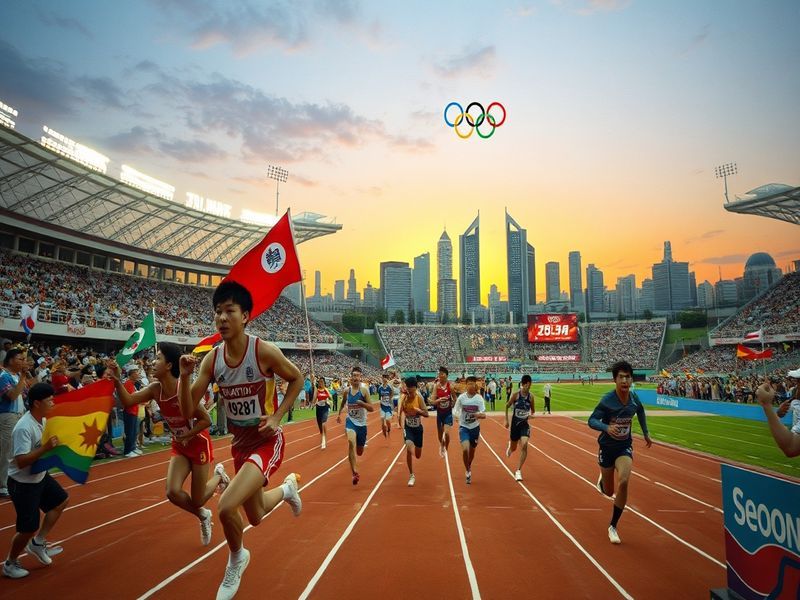
Exploring the Legacy of the 1988 Seoul Olympics
The Seoul Olympics: A Historic Event in Sports History
The 1988 Summer Olympics, held in Seoul, South Korea, marked a significant turning point in the history of the Olympic Games. This event was not only a showcase of athletic prowess but also a celebration of South Korea’s rapid modernization and emergence on the global stage. The Games drew attention for their blend of tradition and innovation, setting new standards for future Olympics.
Context and Preparation for the Games
As South Korea prepared to host the Olympics, the nation was undergoing a transformation. Following decades of political turmoil and economic challenges, the government invested heavily in infrastructure and facilities to ensure a successful event. This included the construction of the Olympic Stadium, the Olympic Village, and various sports venues, all designed to accommodate international athletes and spectators.
The Seoul Olympics were a pivotal moment for South Korea, showcasing its advancements in technology, economy, and culture. The event also aimed to project a positive image of the country to the world, reflecting its shift from a war-torn nation to a growing global player.
Highlights and Key Moments
The Seoul Olympics featured numerous memorable moments that left a lasting impact on both athletes and fans. Here are some key highlights:
- Ben Johnson’s Disqualification: The Canadian sprinter initially won the gold medal in the 100 meters but was later stripped of his title due to a doping scandal.
- Florence Griffith-Joyner’s Records: The American sprinter set world records in the 100 meters and 200 meters, showcasing unmatched speed and athleticism.
- South Korea’s Success: The host country excelled in various sports, finishing third in the overall medal tally and boosting national pride.
- Political Symbolism: The participation of North and South Korean athletes in the opening ceremony symbolized a moment of unity amidst ongoing tensions.
The Broader Implications of the Seoul Olympics
The impact of the Seoul Olympics extended beyond the realm of sports. The Games played a crucial role in changing perceptions of South Korea both domestically and internationally. The successful hosting of the Olympics demonstrated the country’s organizational capabilities and commitment to peace and cooperation.
Moreover, the event served as a catalyst for economic growth. The influx of tourists, media, and global attention helped to solidify South Korea’s status as an emerging economy. The infrastructure developed for the Olympics laid the groundwork for future advancements in transportation and urban development.
In terms of the Olympic movement, the Seoul Games also set new standards for future events. The integration of technology in broadcasting and event management was notable, paving the way for advancements in how the Olympics are experienced by audiences worldwide.
Conclusion: A Legacy of Change
The Seoul Olympics were more than just a series of athletic competitions; they represented a significant moment in history that showcased South Korea’s resilience and potential. The Games highlighted the importance of sports as a unifying force, capable of transcending political differences and fostering international goodwill.
As we reflect on the legacy of the 1988 Olympics, it is clear that the event had lasting implications for sports, culture, and international relations. The spirit of unity and progress established during those Games continues to inspire future generations, reminding us of the power of sports to bring people together.
For more insights on sports history and significant events, visit our Sports category and explore further articles.