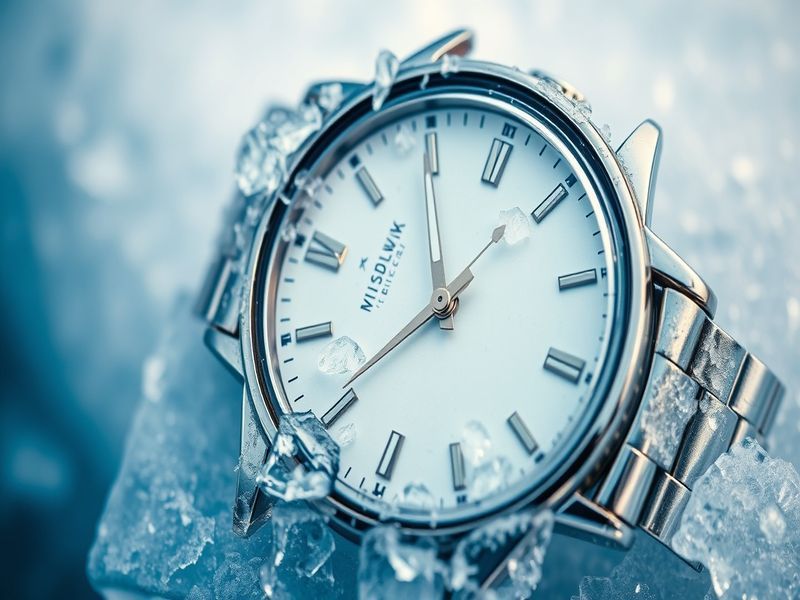
The National Weather Service’s Freeze Watch isn’t just another winter advisory—it’s a signal that temperatures are expected to plummet to levels capable of causing significant damage. Unlike a routine frost advisory, a Freeze Watch is issued when subfreezing conditions are anticipated within the next 24 to 48 hours, putting people, infrastructure, and agriculture at risk.
These warnings often overlap with broader winter storm systems or Arctic air masses, creating compounded hazards. But what exactly triggers a Freeze Watch, and how should communities respond? The answer lies in understanding both the meteorological mechanics and the real-world consequences of prolonged freezing temperatures.
How a Freeze Watch Is Issued and What It Means
A Freeze Watch is upgraded to a Freeze Warning once the threat becomes imminent—typically when temperatures are expected to fall below 32°F (0°C) for an extended period. The National Weather Service (NWS) issues these alerts based on several criteria:
- Duration: Forecasts of at least three consecutive hours of freezing temperatures.
- Impact Level: Risk to unprotected pipes, sensitive vegetation, and vulnerable populations.
- Timing: Occurrence during peak evening or early morning hours when cooling is most intense.
- Wind Chill: Consideration of wind speed that could make temperatures feel even colder.
Unlike a hard freeze warning—which occurs when temperatures drop below 28°F (-2°C)—a Freeze Watch covers a wider range of conditions. It serves as an early alert, giving residents and emergency planners time to prepare. Local utilities, school districts, and agricultural operations often use these notices to activate contingency plans, from insulating water pipes to delaying outdoor work.
The Ripple Effects of a Freeze Watch on Society
The economic and social toll of freezing temperatures extends far beyond icy roads. Consider the following areas impacted by a Freeze Watch:
- Agriculture: Citrus growers in Florida and California monitor these alerts closely. A single night below 30°F can devastate fruit crops, costing millions in lost revenue.
- Infrastructure: Water mains burst when temperatures drop rapidly. In 2021, Texas saw thousands of burst pipes during a historic deep freeze, leading to water shortages and boil-water notices.
- Health Risks: Hypothermia cases rise during prolonged cold snaps, particularly among homeless populations and elderly individuals living in poorly heated homes.
- Transportation: Air travel delays increase as de-icing protocols slow operations. Road salt shortages can also become a problem when demand spikes unpredictably.
The interconnected nature of modern supply chains means that localized freezing events can have national repercussions. For example, a Freeze Watch in the Rio Grande Valley could disrupt the distribution of fresh produce nationwide, affecting grocery prices in states hundreds of miles away.
Preparing for the Freeze: Practical Steps for Homeowners and Businesses
While meteorologists issue the alerts, individuals and organizations must act before the mercury drops. Preparation often comes down to timing and attention to detail. Here’s what experts recommend:
- For Homeowners:
- Insulate exposed pipes with foam sleeves or heat tape.
- Drip faucets overnight to keep water moving through pipes.
- Bring potted plants indoors and cover delicate vegetation with frost cloth.
- For Businesses:
- Review heating systems and backup generators.
- Secure outdoor equipment and signage that could become projectiles in high winds.
- Communicate with employees about potential travel delays or remote work options.
- For Farmers:
- Deploy smudge pots or wind machines to circulate warm air in orchards.
- Use sprinkler systems to create a protective layer of ice around crops.
- Monitor soil temperatures to determine if planting should be delayed.
One often-overlooked aspect is the psychological impact of prolonged cold weather. Studies show that extended periods of freezing temperatures correlate with increased reports of seasonal depression and anxiety. Municipalities that proactively address mental health resources during Freeze Watches help mitigate these secondary effects.
Looking Ahead: The Changing Face of Freeze Watches in a Warming Climate
Climate change is altering traditional weather patterns, creating new challenges for meteorologists and emergency planners. Paradoxically, warmer winters may lead to more extreme cold snaps in certain regions due to disruptions in the polar vortex. This phenomenon, known as “Arctic amplification,” can send frigid air masses plunging into southern latitudes with little warning.
As a result, Freeze Watches may become more frequent in areas unaccustomed to prolonged cold. Cities like Atlanta and Dallas, which have historically experienced brief cold snaps, are now seeing longer freezing events. This shift requires updated infrastructure standards, including better insulation in new construction and expanded emergency heating shelters.
Technology also plays a role in improving response times. Advances in satellite imaging and AI-driven weather models allow forecasters to predict freezing conditions with greater accuracy. Communities that integrate these tools into their emergency planning gain a critical advantage in resource allocation.
Ultimately, a Freeze Watch is more than a weather bulletin—it’s a call to action. Whether protecting homes, crops, or critical infrastructure, preparation saves lives and reduces economic losses. As climate patterns evolve, the importance of heeding these warnings will only grow.
For ongoing updates on winter weather preparedness and climate trends, visit Dave’s Locker Weather Center.