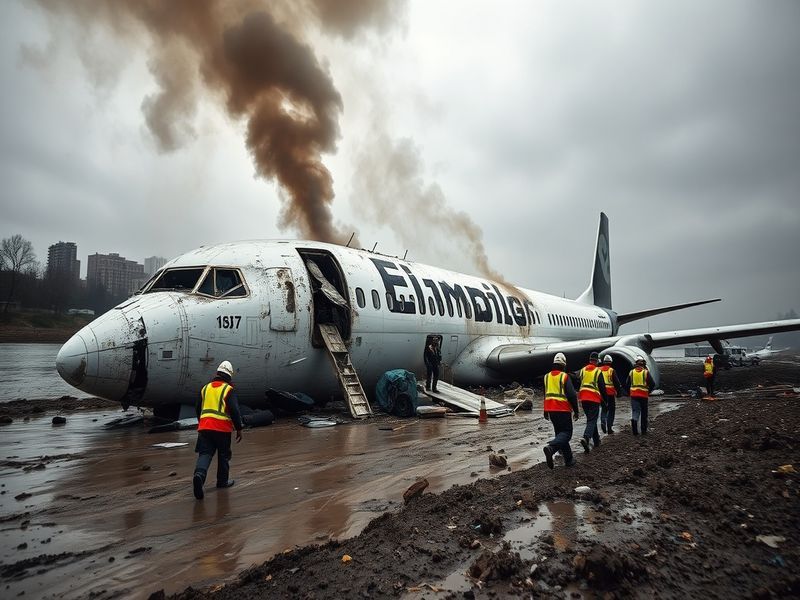
The skies over Philadelphia became the site of a rare and tragic incident on a recent afternoon when a small aircraft went down just outside the city limits. Emergency responders were quick to arrive, but the crash left one person dead and raised serious questions about aviation safety in the region. As investigators work to piece together the sequence of events, details continue to emerge about the flight’s final moments.
The incident occurred near the Philadelphia International Airport, though officials have confirmed the plane was not attempting to land at the time. Instead, it appears to have experienced a technical failure shortly after takeoff. This has prompted the Federal Aviation Administration (FAA) to launch an immediate review of the aircraft’s maintenance records and pilot credentials.
Timeline of the Crash
According to preliminary reports, the single-engine Cessna departed from a small airport in New Jersey at approximately 2:15 PM local time. Witnesses near the crash site described hearing a loud engine sputter before the plane began descending rapidly. The aircraft clipped the roof of a warehouse before crashing into a parking lot, where it burst into flames upon impact.
First responders arrived within six minutes of the emergency call. Firefighters battled the blaze while paramedics assessed the scene. The pilot, who was the sole occupant, was pronounced dead at the scene. Authorities have not yet released the victim’s identity pending notification of family members.
The FAA and the National Transportation Safety Board (NTSB) have both opened investigations. Early speculation suggests a possible engine malfunction, though officials caution that it is too soon to draw definitive conclusions. The plane’s black box has been recovered and is being analyzed for clues.
Safety Concerns in General Aviation
This crash has reignited discussions about the safety standards in general aviation, which includes small private planes like the one involved. Unlike commercial airlines, these aircraft are subject to less stringent maintenance and inspection requirements. While flying remains one of the safest modes of transportation, the rate of accidents in general aviation is disproportionately high.
According to the Aircraft Owners and Pilots Association (AOPA), there were 1,113 general aviation accidents in the U.S. in 2022, resulting in 334 fatalities. Mechanical failure accounted for 22% of those accidents. Experts point to aging aircraft fleets and inadequate pilot training as contributing factors.
In response to the Philadelphia crash, some aviation advocates are calling for stricter oversight of private planes. Aviation safety groups have long argued for mandatory upgrades to older aircraft and more rigorous pre-flight inspections. However, the general aviation community has historically resisted additional regulations, citing the high costs and bureaucratic hurdles.
Common Causes of Small Plane Crashes
- Mechanical failure: Engine malfunctions, fuel system issues, or structural failures are frequent culprits.
- Pilot error: Inadequate training, poor decision-making, or fatigue can lead to catastrophic outcomes.
- Weather conditions: Sudden storms or low visibility often play a role in accidents.
- Improper maintenance: Skipping inspections or using uncertified parts can have deadly consequences.
Impact on the Community
The crash has left a somber mark on the local community, particularly in the industrial area where the plane went down. Businesses near the crash site reported hearing the explosion and seeing smoke billowing into the sky. Several employees were evacuated as a precaution, though no injuries were reported on the ground.
Residents in the surrounding neighborhoods described a sense of shock. One local shop owner, who asked to remain anonymous, recounted seeing the plane’s trajectory from her storefront window. “It was moving so fast,” she said. “I didn’t even have time to react before it hit the ground.”
City officials have assured the public that the area is safe, though they have cordoned off the crash site for further investigation. The Philadelphia Office of Emergency Management has also scheduled a community briefing to address concerns and answer questions from residents.
Broader Implications for Aviation Safety
While this incident involved a private aircraft, it has broader implications for aviation safety as a whole. The FAA is under increasing pressure to address systemic issues in the industry, particularly as air travel becomes more accessible. The rise of private aviation companies and the growing popularity of small planes for recreational use have highlighted the need for updated safety protocols.
Some experts argue that the FAA should adopt a more proactive approach, similar to the stringent regulations governing commercial airlines. This could include mandatory electronic flight data monitoring for all aircraft or real-time tracking systems to assist in emergency responses. However, such measures would require significant investment and could face resistance from pilots and aircraft owners.
The NTSB is expected to release an interim report within the next few weeks, providing more clarity on the cause of the crash. Until then, the aviation community will be watching closely, as will the families of those who have been affected by this tragedy.
For now, the skies over Philadelphia remain open, but the incident serves as a stark reminder of the risks that come with flying. Whether you’re a frequent flyer or a casual observer, the crash underscores the importance of safety in every aspect of aviation.
As investigations continue, the lessons learned from this tragedy could shape the future of general aviation in the U.S. For those who fly, the hope is that stricter standards and better technology will help prevent such incidents from happening again.