The Essential Guide to Storm Damage Restoration Processes
Understanding Storm Damage Restoration
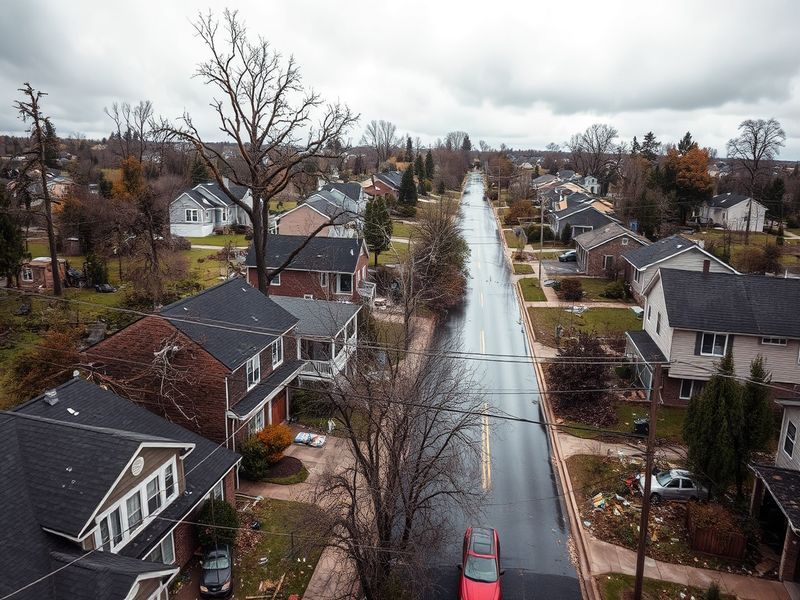
Storm damage restoration is a critical process that many communities face following severe weather events. From hurricanes to thunderstorms, storms can wreak havoc on homes and businesses, leading to significant destruction. The restoration process is essential not only for repairing physical structures but also for restoring peace of mind to those affected.
The Impact of Storm Damage
Storms can cause various types of damage, including:
- Structural Damage: Roofs may be torn off, walls can be compromised, and foundations may be weakened.
- Water Damage: Heavy rains can lead to flooding, causing extensive water damage to interiors, furniture, and electronic devices.
- Mold Growth: Moist environments foster mold, which can pose health risks and complicate restoration efforts.
- Emotional Distress: The aftermath of storms can lead to anxiety and uncertainty for affected individuals and families.
These impacts can be felt globally, with different regions experiencing unique challenges based on their geography, infrastructure, and weather patterns. For instance, coastal areas may be particularly vulnerable to hurricanes, while inland regions might face flooding from heavy rains. The approaches to storm damage restoration also vary significantly across cultures and countries.
Restoration Process Overview
The restoration process typically involves several key steps:
- Assessment: Professionals evaluate the extent of the damage to determine the necessary repairs.
- Water Removal: If water damage is present, it must be addressed immediately to prevent further issues.
- Restoration: Structural repairs begin, including replacing damaged roofs, walls, and flooring.
- Cleaning and Sanitization: A thorough cleaning is essential to eliminate mold and bacteria.
- Final Inspection: After restoration, a final check ensures everything meets safety standards.
These steps may vary based on the severity of the damage and the specific challenges faced by the community. It is essential to engage experienced restoration professionals who understand the local conditions and can respond effectively.
Cultural Context and Global Perspectives
In many countries, storm damage restoration is not only a matter of physical rebuilding but also a communal effort. In regions where storms are common, communities often have established networks and protocols for responding to disasters. For example, in Japan, there is a strong emphasis on preparedness, with regular drills and community resources available to support recovery efforts.
Conversely, in areas with less frequent storms, the response may be less organized. In such cases, individuals may struggle to find the resources and support they need. This disparity highlights the importance of international cooperation and knowledge sharing in disaster response and recovery efforts.
Moreover, the economic implications of storm damage restoration can be substantial. The financial burden often falls on homeowners and local governments, which can strain resources, especially in developing regions. This economic aspect emphasizes the need for proactive policies and disaster preparedness programs.
Conclusion
Storm damage restoration is a multifaceted process that extends beyond mere physical repairs. It encompasses community resilience, emotional recovery, and economic stability. As climate change continues to influence weather patterns, the frequency and severity of storms may increase, making effective restoration strategies more crucial than ever. By understanding the global context and the cultural nuances of storm recovery, communities can better prepare and respond to the challenges posed by severe weather.
For further insights into related topics, explore our Sports and Education sections.