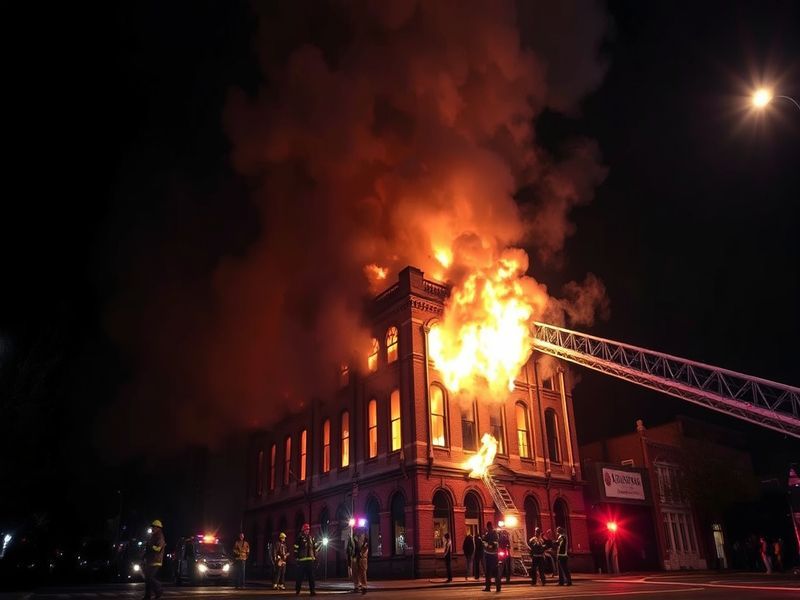
The Birmingham Fire: A Historical Overview
The Birmingham Fire, which occurred on September 15, 1963, remains one of the most tragic events in American history. This horrific incident took place at the 16th Street Baptist Church in Birmingham, Alabama, claiming the lives of four young African American girls: Addie Mae Collins, Denise McNair, Carole Robertson, and Cynthia Wesley. The bombing was carried out by members of the Ku Klux Klan and represented a critical moment in the Civil Rights Movement.
Context of the Event
During the early 1960s, Birmingham was a focal point for civil rights activism. The city was notorious for its racial segregation and violence against African Americans. Leaders like Martin Luther King Jr. and organizations such as the Southern Christian Leadership Conference (SCLC) were actively working to challenge systemic racism through peaceful protests and demonstrations.
The 16th Street Baptist Church served as a meeting place for civil rights leaders and activists. It was a symbol of hope and resilience for the African American community. However, this very symbol would become the target of a brutal act of hatred, highlighting the extreme opposition to the civil rights movement.
Key Points of the Birmingham Fire Incident
- Four girls were killed when a bomb exploded during Sunday school.
- The bombing was linked to the Ku Klux Klan, showcasing the violent resistance to civil rights.
- This tragedy galvanized national outrage and attention towards the Civil Rights Movement.
- The event led to significant changes in federal civil rights legislation.
Broader Implications and Legacy
The Birmingham Fire had far-reaching implications that extended beyond its immediate tragedy. In the wake of the bombing, there was a surge in national awareness regarding racial discrimination and violence in the United States. The event became a rallying cry for civil rights activists, urging citizens to confront and challenge systemic racism.
In 1964, just a year after the bombing, the Civil Rights Act was passed, prohibiting discrimination based on race, color, religion, sex, or national origin. The incident was instrumental in pushing the federal government to take a more active role in civil rights issues, marking a pivotal shift in American society.
The legacy of the Birmingham Fire is also felt in contemporary discussions about race relations in the United States. It serves as a reminder of the struggles faced by the African American community and the ongoing fight for equality. The event is commemorated annually, and memorials honor the lives lost and the courage of those who fought against oppression.
Conclusion
The Birmingham Fire was not just a tragic event; it was a catalyst for change. It illuminated the harsh realities of racial violence and propelled the Civil Rights Movement into the national consciousness. The lives of the four girls lost that day serve as a powerful reminder of the fight for justice and equality. As society continues to grapple with issues of race and discrimination, the lessons learned from Birmingham remain relevant and critical in shaping a more equitable future.
For more insights into the Civil Rights Movement, visit our Civil Rights category for further reading.
Additionally, explore the American History section for a broader context of significant events that shaped the nation.