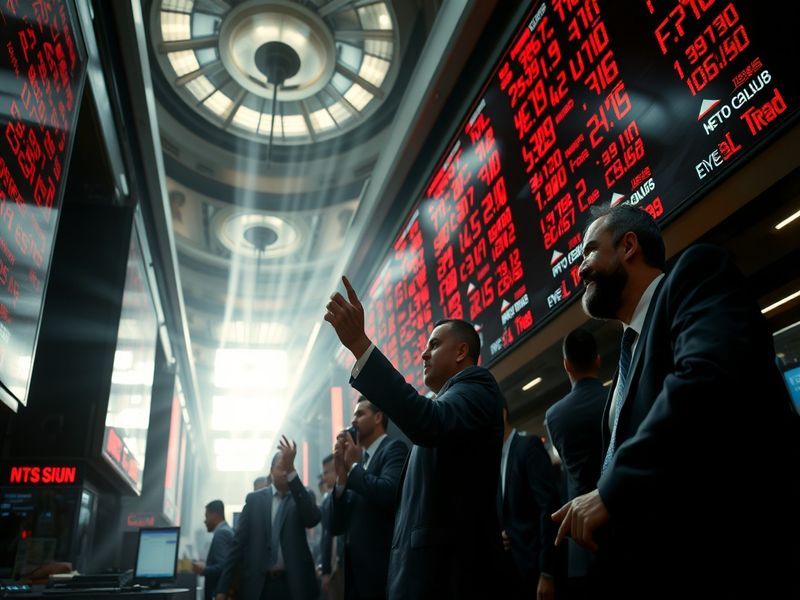
The Impact of War on Iran’s Stock Market
The Iran stock market is often viewed as a barometer of the nation’s economic health. Recent geopolitical tensions have led to significant fluctuations in this market, reflecting investor sentiment and the broader implications of conflict. Understanding these dynamics is crucial for both local and international investors.
Key Factors Influencing the Market
Several elements contribute to the volatility of Iran’s stock market during times of conflict. These factors include:
- Geopolitical Tensions: Escalating tensions with other nations can lead to uncertainty, impacting investment decisions.
- Sanctions: Economic sanctions imposed by foreign governments have a direct effect on market performance and investor confidence.
- Oil Prices: As a major oil exporter, changes in global oil prices can significantly influence Iran’s economy and stock market.
- Currency Fluctuations: The value of the Iranian rial against other currencies can affect the purchasing power of investors.
Recent Developments
In the past year, the Iranian stock market has experienced notable volatility due to ongoing conflicts and changing political landscapes. The tension between Iran and the United States, particularly regarding nuclear negotiations, has created an environment of uncertainty. Investors are cautious, leading to fluctuations in stock prices.
Additionally, the COVID-19 pandemic has exacerbated existing economic challenges, leading to decreased consumer spending and investment. The Iranian government has attempted to stabilize the economy through various measures, but the effectiveness of these strategies remains to be seen.
Broader Implications for Investors
For investors, the implications of a volatile stock market during times of conflict are profound. Understanding the risks involved is essential for making informed decisions. Here are some considerations:
- Diversification: Investors should consider diversifying their portfolios to mitigate risks associated with regional conflicts.
- Staying Informed: Keeping abreast of geopolitical developments can provide insights into potential market movements.
- Long-term Perspective: While short-term volatility can be unsettling, a long-term investment strategy may yield better results in a recovering economy.
Furthermore, the Iranian stock market’s performance can serve as an indicator of the country’s overall economic health. A stable market often reflects confidence in the government’s ability to manage crises effectively, while a declining market may signal deeper issues that could affect the populace.
Conclusion
In summary, the Iranian stock market is intricately linked to the country’s geopolitical landscape. Investors must navigate a complex environment characterized by volatility and uncertainty. By understanding the key factors that influence market performance and considering broader implications, investors can make more informed decisions. As the situation evolves, ongoing analysis will be essential for those looking to engage with Iran’s financial markets.
For more insights on market trends and economic analysis, visit our Finance and News sections.