Understanding Good Friday’s Cultural Significance
Good Friday holds deep religious and cultural importance for Christians worldwide. It marks the crucifixion of Jesus Christ and is observed with solemnity, prayer, and reflection. The day falls on the Friday before Easter Sunday, varying each year based on lunar cycles. While the religious observance remains consistent, how societies engage with commerce on this day differs dramatically across countries.
In predominantly Christian nations, Good Friday often translates to a public holiday. Governments recognize its spiritual weight by closing schools, offices, and many retail establishments. This tradition stems from historical ties between church and state, where religious observances shaped civic life. However, the modern approach to retail on Good Friday reveals tensions between tradition and economic necessity.
The United Kingdom: A Mixed Approach to Shopping
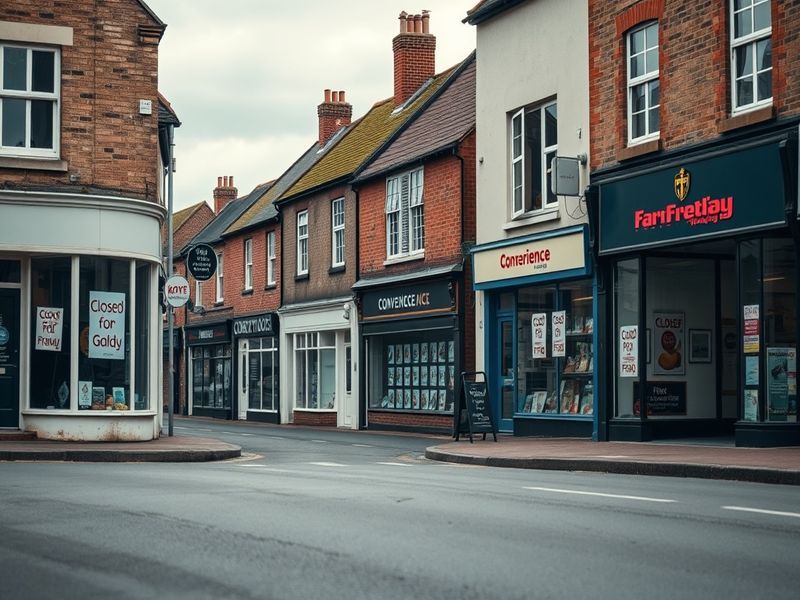
The UK’s relationship with Good Friday shopping is complex. While large retailers like supermarkets and garden centers typically close, some smaller shops may remain open with restricted hours. Pubs and restaurants, however, often operate as usual, catering to those observing the holiday while also serving leisure seekers.
This inconsistency reflects broader cultural shifts. The rise of consumerism has pressured retailers to open, but public sentiment often resists commercializing sacred days. The Church of England, for example, has historically opposed Sunday trading laws, and its influence lingers on Good Friday.
For those planning to shop, checking local council regulations or store websites is essential, as policies vary by region. Some towns with strong religious communities see nearly all businesses closed, while urban centers like London may have a few open outlets catering to essential needs.
Europe’s Diverse Traditions
Across Europe, Good Friday’s impact on retail depends heavily on national identity. In Italy, a deeply Catholic country, Good Friday is a public holiday with most shops closed. The Vatican itself hosts solemn processions, underscoring the day’s spiritual gravity. Yet in tourist-heavy areas like Rome, some souvenir shops may open briefly to accommodate visitors.
Germany presents a striking contrast. While Good Friday is a public holiday, retailers in tourist zones or major cities like Berlin might open for limited hours. This reflects Germany’s secularizing society, where religious observance competes with economic pragmatism. The country’s famous Karfreitag laws still enforce strict silence on the day, but commerce operates in a legal gray area.
Eastern European nations, where Orthodox Christianity dominates, observe Good Friday differently. Greece, for instance, follows the Julian calendar, so its Good Friday often falls weeks after Western observances. When it does align, most shops close in deference to the holiday’s solemnity.
- Italy: Nearly all shops closed; exceptions in tourist areas.
- Germany: Limited openings in cities; strict quiet laws enforced.
- Greece: Closures align with Orthodox traditions.
- Ireland: Mixed—some supermarkets open, but pubs often close.
North America: Commerce vs. Conviction
In the United States, Good Friday is not a federal holiday, leaving its observance up to individual states and businesses. Retailers in states with strong Catholic populations, like New York or New Jersey, may close or shorten hours. Conversely, states with less religious influence often see normal business operations.
Canada mirrors this patchwork approach. While Good Friday is a statutory holiday, retail laws vary by province. Ontario and Quebec, for example, permit most stores to open, while Atlantic provinces may enforce closures. The country’s multiculturalism further complicates the picture—non-Christian communities may not observe the holiday at all, leaving businesses to decide independently.
Mexico presents a unique case. As a predominantly Catholic nation, Good Friday is widely observed, and most businesses close. However, in border cities like Tijuana, proximity to the US can blur the lines, with some shops opening to cater to American tourists.
Asia and Australia: Where Faith Meets Modernity
In Asia, where Christianity is a minority religion, Good Friday’s impact on retail is minimal. The Philippines, the world’s largest Catholic country by population, is a notable exception. Malls and shops close in observance, and processions fill the streets. Yet even here, economic pressures have led to debates about relaxing restrictions.
Australia, a secular nation with a Christian heritage, treats Good Friday as a public holiday. Most major retailers close, though convenience stores and some service industries may operate. The day is more about family gatherings and outdoor activities than shopping, reflecting a cultural shift toward experiential holidays over consumer ones.
In Japan, where Christianity is a small minority, Good Friday passes unnoticed by most retailers. However, imported traditions—like Valentine’s Day—have influenced some luxury brands to mark the occasion with special promotions, blending global consumerism with local indifference.
Practical Advice for Shoppers
If you’re planning to shop on Good Friday, preparation is key. Start by identifying your location’s cultural and legal stance. In religiously conservative areas, expect widespread closures. In secular or tourist-heavy zones, limited options may still be available.
Consider these steps:
- Check official sources: Local council websites or government holiday calendars provide the most reliable information.
- Use digital tools: Apps like Google Maps or store-specific apps can show real-time operating hours.
- Plan ahead: If you rely on specific stores, verify their policies in advance to avoid disappointment.
- Explore alternatives: Many online retailers operate 24/7, offering a workaround for closed physical stores.
For those observing the holiday, the day may present an opportunity to step away from consumerism entirely. Whether through religious reflection, family time, or outdoor activities, the choice often depends on personal values versus practical needs.
A Global Shift in Perspective
The question of whether shops open on Good Friday reveals broader societal trends. As secularism grows in traditionally Christian nations, the pressure to commercialize holidays intensifies. Yet pockets of resistance remain, where communities prioritize cultural heritage over economic gain.
This tension is evident in ongoing legal battles. In Germany, for instance, retailers have challenged Karfreitag laws, arguing that they infringe on economic freedoms. Courts have thus far upheld the restrictions, but debates continue. Similarly, in the UK, calls to relax Sunday trading laws have sparked discussions about extending them to Good Friday—a move opposed by religious groups.
Ultimately, the answer to whether shops are open on Good Friday depends on where you are. The day’s significance varies as much as the cultures that observe it. For travelers or those in multicultural communities, the experience can be a fascinating study in how tradition and modernity collide.
As societies evolve, so too will their relationship with holidays like Good Friday. The challenge lies in balancing commerce with cultural respect—a negotiation that will shape retail landscapes for years to come.