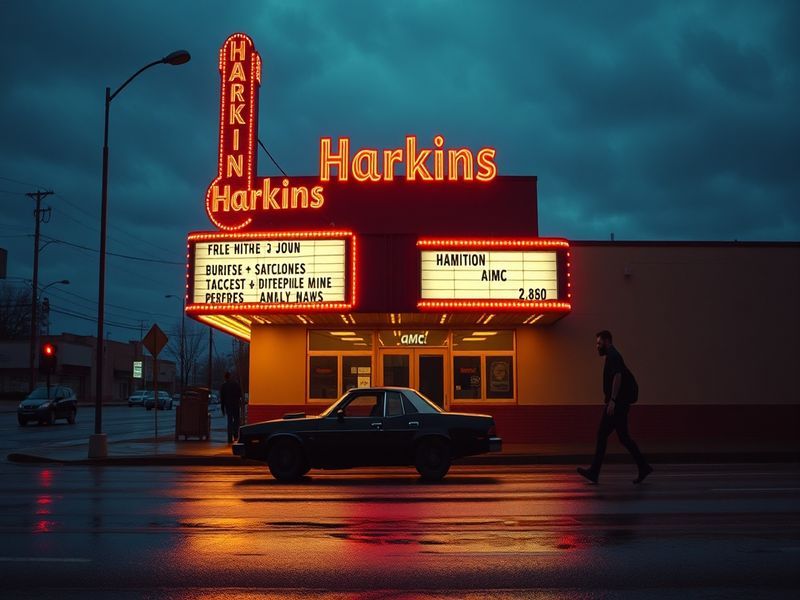
Harkins Theaters: Arizona’s Beloved Movie Chain Turns 90
“`html
Harkins Theaters: A Century of Family Entertainment
For generations of moviegoers, Harkins Theaters has been more than just a place to watch films—it’s a cultural landmark where first dates, family outings, and childhood memories unfold on the big screen. Founded in 1933 in Phoenix, Arizona, by E. W. Harkins, the company began with a single theater and grew into one of the most recognizable names in American cinema exhibition.
Today, Harkins operates over 30 theaters across six states, serving millions of guests annually. Its longevity stems from a commitment to quality, innovation, and community engagement that few chains can match. From pioneering digital projection to introducing sensory-friendly screenings, Harkins continues to redefine the movie-going experience.
The Evolution of a Theatrical Legacy
Harkins’ rise from a single-screen venue to a multi-state powerhouse reflects broader changes in the film industry itself. In its early decades, the chain focused on building neighborhood theaters with ornate architectural details—think red velvet curtains, brass railings, and murals that transported patrons from Arizona’s desert landscape into fantastical worlds.
- 1930s–1950s: The company expanded rapidly across Arizona, capitalizing on the post-war boom in suburban moviegoing.
- 1970s: Harkins introduced the first stadium-style seating in the Southwest, giving audiences unobstructed views from every row.
- 1990s: The chain embraced multiplex design, allowing moviegoers to choose from multiple screens in a single location.
- 2000s: Harkins became an early adopter of digital cinema, eliminating the need for film reels and paving the way for 3D and IMAX experiences.
This adaptability has kept Harkins relevant as streaming services and home entertainment options reshaped consumer behavior. While giants like AMC and Regal expanded coast-to-coast, Harkins maintained a regional focus, strengthening its reputation as Arizona’s hometown theater.
Innovation Behind the Scenes: Technology and Guest Experience
Harkins has long been at the forefront of technological advancement in exhibition. In 2007, it became one of the first chains to install Dolby Atmos sound systems, delivering immersive audio that rivals live concert venues. The company also introduced Dine-In Theaters, where guests can enjoy gourmet meals and cocktails while watching the latest blockbusters.
Accessibility has been another priority. Harkins was an early leader in sensory-friendly screenings, offering reduced-volume audio and adjusted lighting for guests with autism or sensory processing disorders. These initiatives reflect a growing awareness of inclusive moviegoing, a trend that larger chains have since followed.
Moreover, Harkins’ loyalty program, StAR Card, has over 3 million members who earn points for free tickets, concessions, and exclusive screenings. The program’s success highlights how data-driven personalization can enhance customer retention without compromising the communal joy of film.
Community Roots and Local Impact
Unlike national chains that often prioritize profit margins, Harkins has maintained deep ties to the communities it serves. The company frequently partners with local schools, charities, and film festivals, hosting events that go beyond box office sales.
For example, Harkins’ annual “Harkins Charity Classic” golf tournament has raised millions for Arizona children’s hospitals since 1992. The chain also sponsors youth filmmaking programs, offering workshops where teens learn screenwriting and editing from industry professionals.
Local theaters often reflect the identity of their neighborhoods, and Harkins’ locations in Arizona, California, Colorado, Nevada, New Mexico, and Utah are no exception. The Entertainment section of Dave’s Locker frequently highlights regional chains like Harkins that blend commerce with cultural stewardship.
The Challenges of Modern Exhibition
Despite its success, Harkins faces the same pressures as the rest of the industry. Rising labor costs, competition from streaming platforms, and the high cost of new technology threaten smaller chains. The COVID-19 pandemic shuttered theaters nationwide, forcing Harkins to pivot with virtual premieres and limited reopening strategies.
Yet, the company’s resilience lies in its ability to balance tradition with innovation. While AMC and others pursued aggressive expansion, Harkins doubled down on customer service, training staff to deliver personalized experiences that algorithms can’t replicate. Its loyalty program and community events create emotional connections that keep guests coming back.
Another challenge is the evolving nature of film itself. With fewer mid-budget dramas and rising reliance on franchises, Harkins must curate diverse programming to attract different audiences. The chain has responded by hosting classic film revivals, indie screenings, and even live performances—such as ballet and opera simulcasts—expanding its role beyond mere exhibition.
What’s Next for Harkins?
Looking ahead, Harkins appears poised to navigate the future of moviegoing by leaning into what it does best: creating shared experiences. The company is testing new concepts like “Harkins Junior,” a theater designed exclusively for families with young children, featuring interactive play areas and shorter screenings.
Sustainability is also on the agenda. Harkins has committed to reducing waste by eliminating single-use plastics in concessions and installing energy-efficient lighting across its locations. These initiatives align with consumer demand for environmentally responsible businesses.
For film enthusiasts, Harkins remains a beacon of consistency in an era of constant change. Whether it’s catching a summer blockbuster on opening weekend or revisiting a childhood favorite during the holidays, the chain offers a ritualistic escape that transcends technology.
As streaming platforms fragment our attention, the allure of a communal viewing experience grows stronger. Harkins understands this implicitly, proving that cinema is more than just content—it’s a shared cultural moment.
In an industry often criticized for homogenization, Harkins stands out for its authenticity, innovation, and unwavering connection to its roots. For those who’ve grown up with its marquee lights, the future feels as bright as a freshly cleaned screen.