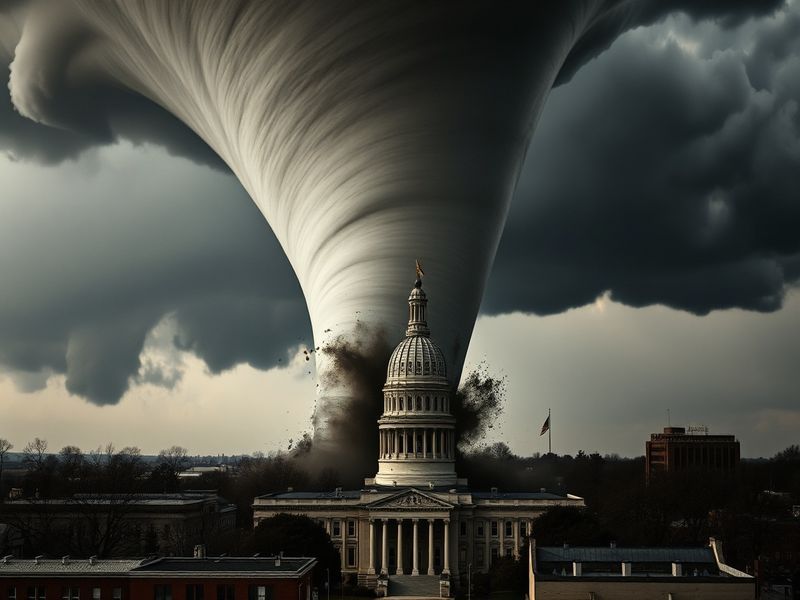
The city of Iowa City, Iowa, faced a rare and destructive tornado on the evening of April 26, 2024. The twister, which touched down just west of downtown, carved a path of destruction through residential neighborhoods and commercial districts. With winds estimated at 140 miles per hour, the tornado uprooted trees, shattered windows, and left thousands without power. Emergency responders worked through the night to clear debris and rescue those trapped in damaged buildings.
While tornadoes are not uncommon in the Midwest, the timing and intensity of this storm caught many residents off guard. Iowa City, known for its vibrant college community and historic downtown, now faces weeks of recovery. Local officials have praised the community’s resilience as volunteers and organizations mobilize to assist displaced families. The storm serves as a reminder of nature’s unpredictability and the importance of preparedness in tornado-prone regions.
The Storm’s Path and Immediate Aftermath
The tornado touched down at approximately 7:30 PM, moving northeast at roughly 30 miles per hour. According to the National Weather Service, the storm was classified as an EF-3, with winds strong enough to peel roofs off houses and overturn vehicles. The hardest-hit areas included the historic district near the University of Iowa campus and the commercial corridor along Highway 6.
Emergency alerts blared across phones and sirens wailed as residents scrambled for shelter. The University of Iowa suspended classes the following day, and the Education community rallied to support displaced students. Meanwhile, utility crews from neighboring states were dispatched to restore power, which was cut off for nearly 15,000 households.
In the storm’s wake, drone footage revealed the extent of the damage. Entire blocks were reduced to splintered wood and shattered glass, while vehicles were tossed like toys. The Iowa City Fire Department reported multiple injuries but miraculously, no fatalities. This outcome was attributed to the city’s early warning systems and the residents’ quick response.
Community Response and Recovery Efforts
Within hours of the tornado, local organizations set up relief centers to distribute food, water, and medical supplies. The Sports teams at the University of Iowa, including the football and basketball programs, announced donation drives for affected families. Local businesses, from cafes to hardware stores, opened their doors to provide free services to cleanup crews.
Volunteers from across the state arrived to assist with debris removal. The University of Iowa’s engineering department deployed students and faculty to assess structural damage in residential areas. Meanwhile, the Federal Emergency Management Agency (FEMA) confirmed it would provide additional resources to aid in recovery.
Recovery efforts are expected to take months, if not years. Insurance claims are already pouring in, and temporary housing solutions are being arranged for those whose homes were deemed uninhabitable. The city has also launched a fundraising campaign to support long-term recovery, with donations coming in from across the country.
Global Perspective: Tornadoes and Urban Resilience
Tornadoes are a global phenomenon, but their impact on urban areas is particularly devastating. In the United States, the Midwest and Southern regions are most prone to twisters, with an average of 1,200 tornadoes reported annually. However, tornadoes in urban areas are relatively rare, making Iowa City’s recent experience a stark reminder of the unpredictability of natural disasters.
Internationally, cities like Miami, Tokyo, and Dhaka have faced similar challenges. In Miami, hurricanes often bring tornado-like conditions, while Tokyo has implemented advanced early warning systems to mitigate damage from typhoons. Dhaka, one of the most densely populated cities in the world, faces frequent flooding and cyclones, highlighting the need for resilient infrastructure.
Iowa City’s recovery could serve as a case study for other communities. The city’s swift response, combined with community solidarity, demonstrates how urban areas can bounce back from natural disasters. Experts suggest that cities in tornado-prone regions should invest in stronger building codes, early warning systems, and public education to minimize future risks.
Lessons Learned and Future Preparedness
The Iowa City tornado has prompted discussions about preparedness and resilience. Local officials are reviewing emergency response protocols, while residents are reevaluating their own safety plans. The University of Iowa’s emergency management team has announced plans to host workshops on tornado safety for students and faculty.
Experts recommend several steps for communities in tornado-prone areas:
- Early Warning Systems: Ensure that sirens and emergency alerts are up-to-date and tested regularly.
- Structural Reinforcements: Encourage the use of storm-resistant building materials in residential and commercial structures.
- Public Education: Host regular drills and informational sessions to educate residents on tornado safety.
- Community Networks: Foster strong local networks to ensure quick response and support during emergencies.
The Iowa City tornado is a sobering reminder of nature’s power. Yet, it also highlights the strength of human resilience. As the city rebuilds, it serves as an example of how communities can come together in the face of adversity. The road to recovery will be long, but with continued support and preparation, Iowa City will emerge stronger.
Looking Ahead: A City Rebuilding
In the coming weeks, Iowa City will focus on clearing debris and assessing long-term damage. The city council has scheduled a series of town halls to engage residents in the recovery process. Meanwhile, volunteers continue to stream in, offering labor, donations, and emotional support.
The tornado may have disrupted lives, but it has also strengthened the community. From students to business owners, Iowans are stepping up to help their neighbors. This spirit of unity is what will ultimately define Iowa City’s recovery.
As the city heals, the rest of the world watches and learns. Iowa City’s experience underscores the importance of preparedness, resilience, and community. In the face of disaster, the city’s response offers a blueprint for other urban areas facing similar challenges.