lionel richie
Lionel Richie stands as one of the most distinctive and influential voices in American music history. With a career spanning over five decades, he has crafted melodies that define romance, soul, and pop music. From his early days with the Commodores to his solo career that produced some of the most iconic love ballads of all time, Richie’s work continues to resonate across generations. His smooth tenor, coupled with an innate ability to blend R&B, pop, and soul, has cemented his status as a living legend in the music industry.
The Commodores Era: From Motown Roots to National Fame
Before Lionel Richie became a household name, he was a founding member of the Commodores, a soul/R&B band that emerged from Tuskegee, Alabama, in the late 1960s. The group signed with Motown in 1968 and quickly distinguished itself with a polished, crossover-friendly sound that appealed to both Black and white audiences. Richie, as the lead singer and saxophonist, played a pivotal role in shaping the band’s identity.
The Commodores’ 1977 album Commodores Live! and the hit single “Brick House” showcased their dynamic stage presence and musical versatility. However, it was the 1978 release of Midnight Magic and the smash hit “Three Times a Lady” that catapulted the band to superstardom. Richie’s songwriting on tracks like “Easy” and “Still” demonstrated his knack for crafting melodies that felt both timeless and fresh. By the early 1980s, he was ready to step into the spotlight as a solo artist, though the Commodores’ legacy remained an indelible part of his artistic foundation.
Solo Stardom: Crafting the Soundtrack of a Generation
Lionel Richie’s solo debut in 1982 with Lionel Richie marked the beginning of a new chapter in his career. The album, produced by James Anthony Carmichael, featured a polished blend of R&B, pop, and funk, with Richie’s signature smooth vocals taking center stage. The lead single, “Truly,” became an instant classic, topping the Billboard Hot 100 and earning him his first Grammy Award for Best Male Pop Vocal Performance in 1983.
His 1983 follow-up, Can’t Slow Down, solidified Richie’s place in music history. The album sold over 20 million copies worldwide and featured three number-one singles: “All Night Long (All Night),” “Hello,” and “Say You, Say Me.” The latter two tracks, in particular, showcased Richie’s ability to write deeply emotional ballads that connected with listeners on a personal level. “Hello,” with its heartfelt lyrics and lush orchestration, became one of the most requested love songs of the decade and remains a staple at weddings and romantic events.
Richie’s success in the 1980s was not just commercial; it was cultural. He became a defining figure of the era, collaborating with artists like Michael Jackson on “We Are the World” and performing at iconic events such as Live Aid. His music transcended genres, appealing to pop, R&B, and adult contemporary audiences alike. By the end of the decade, Richie had sold over 100 million records worldwide, making him one of the best-selling artists of all time.
The Evolution of Richie’s Sound: From Soul to Pop and Beyond
Throughout his career, Lionel Richie has consistently reinvented his sound while maintaining the core elements that define his music: melody, emotion, and accessibility. His 1986 album Dancing on the Ceiling leaned further into pop and dance, with hits like “Say You, Say Me” and “Dancing on the Ceiling” becoming anthems of the decade. The album’s production was sleek and modern, reflecting the sonic trends of the time while retaining Richie’s signature warmth.
In the 1990s, Richie explored new musical territories, collaborating with artists like Enrique Iglesias and All-4-One. His 1996 album Louder Than Words featured a more contemporary R&B sound, though it didn’t achieve the same commercial success as his earlier work. Despite this shift, Richie’s influence on the music industry remained undeniable. He continued to write and produce for other artists, including Kenny Rogers’ 1984 hit “Lady,” which he co-wrote and produced.
Richie’s ability to adapt to changing musical landscapes while staying true to his artistic vision is a testament to his longevity. Whether he’s performing a classic ballad or experimenting with new sounds, his music always carries a sense of authenticity that resonates with fans old and new.
Legacy and Influence: Richie’s Impact on Music and Culture
Lionel Richie’s impact on music extends far beyond his chart-topping hits. He has been a bridge between genres, eras, and generations, influencing artists from Usher to John Legend. His songwriting has been praised for its emotional depth and universal appeal, with many of his songs becoming standards in the Great American Songbook. Tracks like “Endless Love” (a duet with Diana Ross) and “Stuck on You” are frequently covered by contemporary artists, a testament to their enduring popularity.
Beyond his musical contributions, Richie has also been a cultural ambassador. In 2018, he was honored with the MusiCares Person of the Year award, recognizing his philanthropic efforts and contributions to the music industry. He has supported numerous charitable organizations, including the Breast Cancer Research Foundation and the T.J. Martell Foundation. His commitment to giving back has further endeared him to fans around the world.
Richie’s influence is also evident in the way he has shaped the careers of other artists. His work with the Commodores and as a solo artist has inspired countless musicians to pursue songwriting and performance as a career. His ability to craft melodies that feel both timeless and modern is a skill that few can replicate, making him a benchmark for aspiring artists.
The Art of the Love Song: What Makes Richie’s Music Timeless
One of the most remarkable aspects of Lionel Richie’s music is his mastery of the love song. His ability to convey deep emotion through simple, melodic phrases is unparalleled. Songs like “Hello” and “Truly” are not just about love; they are about the vulnerability and longing that come with romantic relationships. Richie’s lyrics often feel personal, as if he’s speaking directly to the listener, which creates an intimate connection between the artist and his audience.
Richie’s love songs also stand out for their musical sophistication. Unlike many pop songs of the 1980s, which relied heavily on synthesizers and drum machines, Richie’s music featured live instrumentation, including strings, horns, and acoustic guitars. This organic approach gave his songs a warmth and richness that set them apart from the synthetic sounds of the era.
Another key to Richie’s success is his ability to blend different musical styles. His music incorporates elements of R&B, pop, soul, and even Caribbean influences, as heard in the upbeat “All Night Long (All Night).” This versatility has allowed his music to appeal to a wide range of listeners, ensuring its longevity.
A Modern Renaissance: Richie’s Continued Relevance
In recent years, Lionel Richie has experienced a resurgence in popularity, particularly among younger audiences. His 2012 induction into the Songwriters Hall of Fame and his 2016 Kennedy Center Honors recognized his contributions to American culture and music. Additionally, his appearances on television shows like The Voice and American Idol have introduced his music to a new generation of fans.
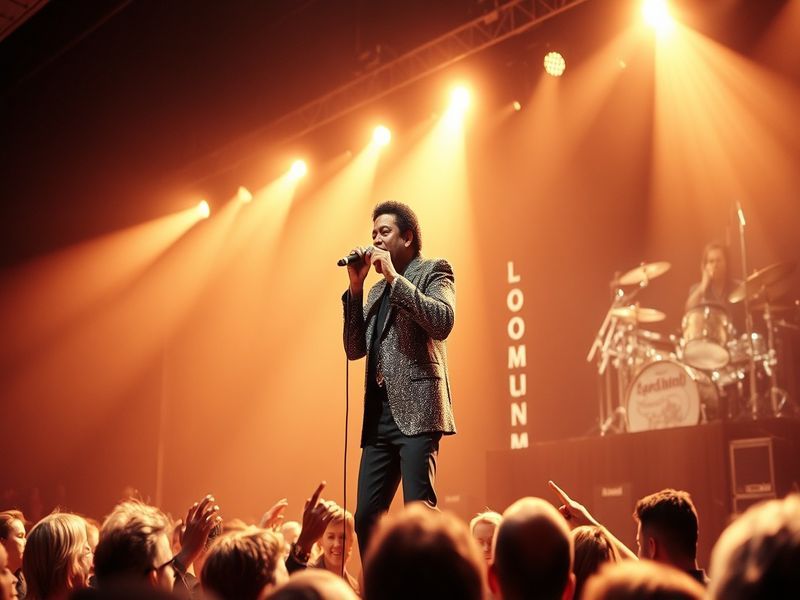
Richie’s 2017 album All the Hits, a compilation of his greatest hits, topped the Billboard 200, proving that his music remains as relevant as ever. He has also continued to tour, performing sold-out shows around the world. His concerts are a celebration of his career, featuring not only his solo hits but also classics from his time with the Commodores. Fans of all ages flock to see him, proving that his music transcends generational boundaries.
In 2020, Richie released Lionel Richie: The Album Collection: 1982–1996, a box set that includes remastered versions of his solo albums. The collection serves as a reminder of his enduring influence and the timeless quality of his music. Richie’s ability to stay relevant in an ever-changing industry is a testament to his talent and dedication to his craft.
The Secret to Longevity: Passion, Adaptability, and Authenticity
Lionel Richie’s career offers valuable lessons for artists and musicians at any stage of their journey. His success can be attributed to several key factors: passion, adaptability, and authenticity. Richie has always been passionate about his music, treating each song as an opportunity to connect with listeners on a deep emotional level. This passion is evident in his performances, which are filled with energy and sincerity.
Adaptability has also been crucial to Richie’s longevity. He has never been afraid to experiment with new sounds or collaborate with different artists. Whether he’s working with a pop star like Shania Twain or a hip-hop artist like Drake, Richie’s willingness to evolve has kept his music fresh and relevant. This adaptability has allowed him to stay ahead of industry trends while maintaining his unique artistic identity.
Finally, Richie’s authenticity has been a cornerstone of his success. He has never tried to be anything other than himself, and this honesty has resonated with fans around the world. His music feels genuine, and his performances are a reflection of his true personality. This authenticity is what has allowed Richie to build a career that spans decades and continues to thrive.
Conclusion: A Legacy That Will Never Fade
Lionel Richie’s contributions to music and culture are immeasurable. From his early days with the Commodores to his solo career that defined a generation, Richie has created a body of work that is both timeless and influential. His music has brought joy to millions of listeners, and his influence can be heard in the work of countless artists who have followed in his footsteps.
As Richie continues to perform and create new music, his legacy only grows stronger. He is more than just a singer or songwriter; he is a cultural icon whose music has shaped