Rochdale’s Industrial Legacy and Economic Transformation
Rochdale, a town in Greater Manchester, England, has long been synonymous with industrial innovation and social reform. Its origins trace back to the medieval era, but it gained prominence during the 19th century as a hub for textile manufacturing. The Rochdale Pioneers, a group of weavers and workers, established the first successful cooperative in 1844, setting a precedent for consumer-led economic models that would later influence global trade.
The town’s textile industry thrived during the Industrial Revolution, with mills dotting the skyline. However, by the late 20th century, deindustrialization hit hard. Factories closed, unemployment rose, and Rochdale faced an identity crisis. Yet, the town’s resilience became evident as it pivoted toward service-based industries and digital innovation. Today, Rochdale’s economic landscape reflects a blend of its industrial past and a forward-looking approach to growth.
Local initiatives have played a pivotal role in this transformation. The Business sector has seen a surge in small enterprises, particularly in tech startups and creative industries. The town’s proximity to Manchester has also made it an attractive location for commuters seeking affordable living while remaining connected to a major economic center. Rochdale’s economic revival is a testament to adaptability in the face of global shifts.
The Cultural Fabric of Rochdale: Diversity and Tradition
Rochdale’s cultural identity is as rich as its history. The town has evolved into a diverse community, with significant South Asian, Eastern European, and Caribbean influences shaping its social fabric. This multiculturalism is celebrated through local festivals, cuisine, and religious institutions. The annual Rochdale Literature and Ideas Festival, for instance, highlights the town’s creative spirit and intellectual curiosity.
Music and the arts have also flourished. Rochdale has produced notable figures in the music industry, including the band Happy Mondays, who emerged from the town’s post-punk scene in the 1980s. The Touchstones Rochdale museum serves as a cultural cornerstone, preserving local history while fostering contemporary art exhibitions. These institutions ensure that Rochdale’s cultural legacy continues to evolve rather than fade into obscurity.
The town’s culinary scene reflects its diversity. From traditional British pubs to vibrant South Asian restaurants, Rochdale’s food culture offers a global palate. This gastronomic variety not only caters to residents but also attracts visitors keen to explore authentic flavors. Rochdale’s cultural dynamism is a microcosm of modern Britain, where tradition and innovation coexist.
Urban Development and Community Initiatives in Rochdale
Urban regeneration has been a focal point for Rochdale’s local government and community groups. Projects like the Town Centre Masterplan aim to revitalize the high street, attracting businesses and improving public spaces. The transformation includes pedestrian-friendly zones, green infrastructure, and modern retail outlets. These efforts seek to create a vibrant town center that serves both locals and tourists.
Affordable housing remains a critical issue. Rochdale has grappled with a housing shortage, exacerbated by its proximity to Manchester’s rising property prices. Initiatives like the Rochdale Boroughwide Housing (RBH) program have worked to provide quality, affordable homes while preserving the town’s architectural heritage. These projects emphasize community involvement, ensuring that residents have a say in their neighborhoods’ futures.
Education and youth engagement are also priorities. Schools and colleges in Rochdale focus on STEM programs, vocational training, and arts education. Partnerships with local businesses provide students with internships and career pathways. These efforts aim to equip the next generation with skills that align with the evolving job market, ensuring long-term prosperity for the town.
Rochdale on the Global Stage: Trade and Migration
Rochdale’s global connections are deeply rooted in its history. The town was once a key player in international trade, particularly through its textile exports. While this industry has diminished, Rochdale’s role in global migration has grown. The town has become a magnet for immigrants seeking economic opportunities, contributing to its cultural and economic vibrancy.
One notable example is the town’s South Asian community, which has established businesses, religious centers, and cultural organizations. These contributions have enriched Rochdale’s social tapestry, fostering cross-cultural understanding. The town’s mosques, temples, and community centers serve as hubs for dialogue and collaboration, reinforcing Rochdale’s reputation as an inclusive community.
Rochdale’s global ties extend beyond migration. The town has forged partnerships with international organizations, particularly in education and healthcare. These collaborations facilitate knowledge exchange and resource sharing, positioning Rochdale as a participant in the global community. Such initiatives highlight the town’s ability to leverage its diversity for mutual growth.
Challenges and Opportunities for Rochdale’s Future
Despite its progress, Rochdale faces challenges. Economic inequality persists, with pockets of deprivation alongside areas of affluence. Addressing these disparities requires targeted policies and community-led solutions. Additionally, Brexit’s impact on trade and labor markets has posed uncertainties for local businesses, particularly in manufacturing and agriculture.
However, opportunities abound. Rochdale’s strategic location offers potential for further development. The town’s transport links, including the Metrolink tram system, connect it to Manchester and beyond, facilitating commerce and tourism. Renewable energy projects, such as solar farms, present avenues for sustainable growth. By capitalizing on these strengths, Rochdale can carve out a niche in the green economy.
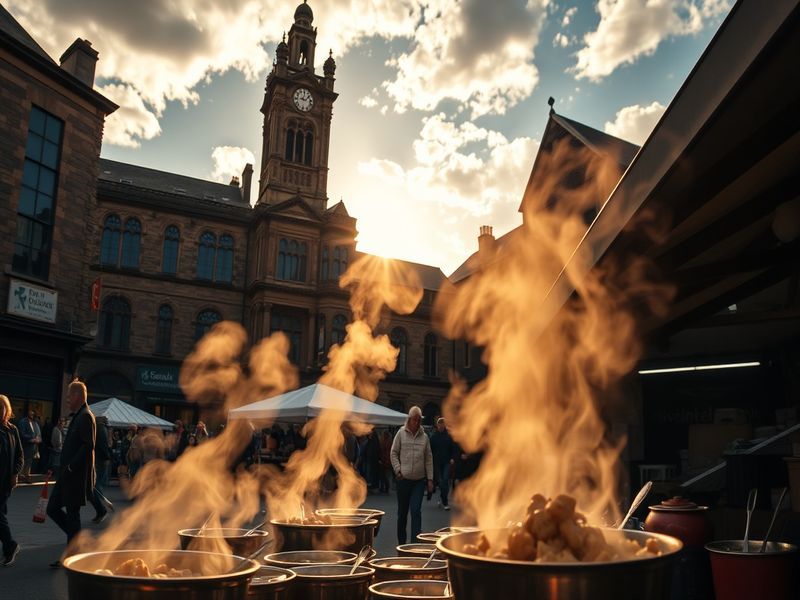
The town’s future also hinges on its ability to preserve its heritage while embracing modernity. Conservation efforts for historic buildings, such as the Grade II-listed Rochdale Town Hall, strike a balance between nostalgia and progress. These landmarks serve as reminders of the town’s past while inspiring future generations.
Conclusion: Rochdale’s Enduring Spirit
Rochdale’s journey from an industrial powerhouse to a culturally diverse and economically adaptive town is a story of resilience. Its ability to reinvent itself while honoring its roots is a model for other communities facing similar transitions. From the Rochdale Pioneers’ cooperative spirit to today’s innovative startups, the town continues to write its narrative with determination and creativity.
As Rochdale looks to the future, its greatest asset remains its people. The town’s diverse communities, entrepreneurial spirit, and commitment to progress ensure that Rochdale will remain a vital part of Greater Manchester’s landscape. Whether through cultural festivals, economic initiatives, or social reforms, Rochdale’s legacy is one of continuous evolution—a town that dares to redefine itself.