<!DOCTYPE html>
<html lang="en">
<head>
    <meta charset="UTF-8">
    <meta name="viewport" content="width=device-width, initial-scale=1.0">
    <title>Ryanair Flight Cancellations: What Travelers Need to Know in 2024</title>
</head>
<body>
    <article>
        <h1>Ryanair Flight Cancellations: What Travelers Need to Know in 2024</h1>

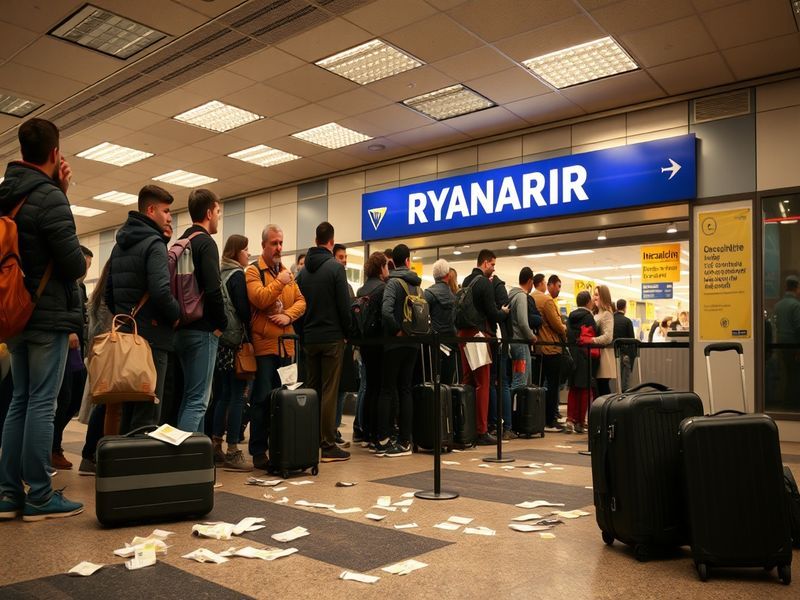
        <p>Ryanair, Europe’s largest low-cost airline, has faced persistent challenges with flight cancellations in recent months, disrupting travel plans for thousands of passengers. The airline has attributed many disruptions to a combination of staffing shortages, air traffic control strikes, and operational inefficiencies. For travelers relying on Ryanair’s budget-friendly fares, these cancellations have raised concerns about reliability and customer service.</p>

        <p>While Ryanair has historically positioned itself as a punctual and efficient carrier, the surge in cancellations has prompted scrutiny from regulators and passengers alike. In 2023, the airline canceled over 5,000 flights, affecting approximately 850,000 passengers. The trend has continued into 2024, with disruptions reported across key hubs such as Dublin, London Stansted, and Rome Ciampino.</p>

        <h2>Why Are So Many Ryanair Flights Being Canceled?</h2>

        <p>The primary reasons behind Ryanair’s flight cancellations can be broken down into several key factors. Staffing issues remain a persistent challenge, particularly as the airline continues to recover from the pandemic’s impact on its workforce. Many pilots and cabin crew have left the company, citing better opportunities elsewhere or dissatisfaction with working conditions.</p>

        <p>Air traffic control strikes across Europe have also played a significant role in disruptions. Countries like France, Germany, and Italy have seen repeated labor actions, forcing Ryanair to ground flights or reroute them at the last minute. Additionally, operational inefficiencies—such as delays in aircraft maintenance or last-minute crew shortages—have contributed to the cancellations.</p>

        <p>Ryanair has also pointed to external factors, such as poor weather conditions in winter 2023-2024, which exacerbated delays and cancellations. However, critics argue that the airline’s aggressive cost-cutting measures may have left it ill-prepared to handle these challenges.</p>

        <ul>
            <li><strong>Staffing shortages:</strong> Pilots and cabin crew leaving for better opportunities or due to dissatisfaction.</li>
            <li><strong>Air traffic control strikes:</strong> Repeated labor actions in key European countries.</li>
            <li><strong>Operational inefficiencies:</strong> Delays in maintenance or last-minute crew shortages.</li>
            <li><strong>Weather disruptions:</strong> Harsh winter conditions affecting flight schedules.</li>
        </ul>

        <h2>The Impact on Travelers: Costs and Inconvenience</h2>

        <p>For passengers, the cancellations have resulted in significant inconvenience and unexpected expenses. Many travelers have had to book alternative flights at short notice, often at much higher fares. Those who opted for Ryanair’s budget pricing may now face additional costs for meals, accommodations, or rebooking fees—expenses the airline typically does not cover.</p>

        <p>Compensation claims under EU Regulation 261 have become a major point of contention. While Ryanair is legally required to compensate passengers for cancellations, the process is often slow and cumbersome. Many travelers report difficulties in securing refunds or rebookings, leaving them frustrated and out of pocket.</p>

        <p>Families traveling with young children or elderly passengers have been particularly hard-hit, as rebooking flights can be logistically challenging. Some have even resorted to booking refundable fares with other airlines to avoid the risk of cancellations, undermining Ryanair’s appeal as a low-cost option.</p>

        <h2>How Ryanair Is Responding to the Crisis</h2>

        <p>In response to the cancellations, Ryanair has implemented several measures to mitigate future disruptions. The airline has increased recruitment efforts, particularly for pilots and cabin crew, and has offered incentives to retain existing staff. It has also invested in better forecasting tools to predict potential delays and cancellations before they occur.</p>

        <p>Ryanair’s CEO, Michael O’Leary, has defended the airline’s performance, arguing that the cancellations are largely due to external factors beyond its control. However, the company has faced criticism for its lack of transparency and communication with passengers. Many travelers report receiving last-minute notifications or vague explanations for cancellations, leaving them with little time to make alternative arrangements.</p>

        <p>To improve customer satisfaction, Ryanair has introduced a new compensation policy for passengers affected by cancellations. The airline now offers vouchers or rebooking options, though critics argue that these measures do not go far enough to address the underlying issues.</p>

        <h2>What Travelers Can Do to Avoid Disruptions</h2>

        <p>For those planning to fly with Ryanair in the coming months, there are steps they can take to minimize the risk of cancellations. Booking early and opting for flexible fares can provide more options in case of disruptions. Travelers should also consider purchasing travel insurance that covers flight cancellations, as this can help offset additional costs.</p>

        <p>Monitoring Ryanair’s flight status regularly and signing up for notifications can also help passengers stay informed about potential delays or cancellations. In the event of a disruption, contacting Ryanair’s customer service promptly and documenting all communications may improve the chances of securing compensation or rebooking.</p>

        <p>For those who frequently rely on budget airlines, exploring alternative carriers or routes may be worth considering. While Ryanair remains a popular choice for its affordability, the recent cancellations have prompted some travelers to reassess their options.</p>

        <h2>Looking Ahead: Can Ryanair Recover Its Reputation?</h2>

        <p>The coming months will be critical for Ryanair as it works to restore passenger confidence and operational stability. The airline’s ability to address staffing shortages, improve communication, and provide better compensation will play a significant role in its recovery. Regulatory scrutiny will also be a factor, as authorities in Europe continue to monitor the situation closely.</p>

        <p>For now, travelers should approach Ryanair bookings with caution, weighing the risks against the potential savings. While the airline remains a leader in budget travel, its recent struggles serve as a reminder of the importance of flexibility and preparedness when flying with low-cost carriers. For more insights on airline travel and disruptions, visit <a href="https://www.daveslocker.net/travel">Dave’s Locker Travel</a> for expert advice and updates.</p>

        <p>As Ryanair navigates these challenges, the broader aviation industry will be watching closely. The outcome could set a precedent for how low-cost carriers balance efficiency with customer satisfaction in an increasingly complex travel landscape.</p>
    </article>

    <!-- Metadata Section -->
    <div style="display: none;">