Updated: June 2024
Why Are Ryanair Flights Being Cancelled?
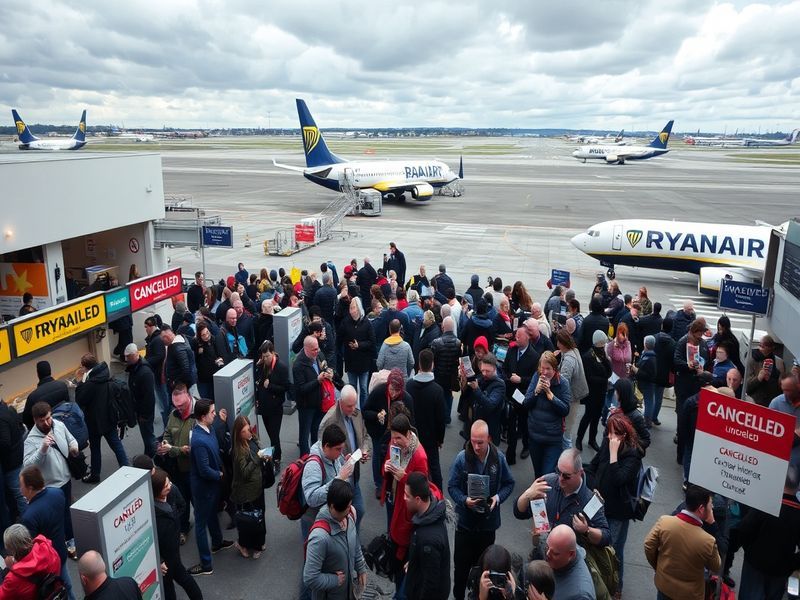
Ryanair’s flight cancellations have become a growing concern for passengers across Europe. The airline, one of the continent’s largest budget carriers, has faced repeated disruptions due to a combination of operational and external challenges. Staff shortages remain a primary cause, as the airline struggles to maintain crew availability amid high turnover and training backlogs. Weather disruptions, particularly during the winter months, have also played a role, with snowstorms and fog causing delays that ripple through schedules.
Industrial action has further exacerbated the issue. Pilots and cabin crew, represented by unions like Fórsa and the TWU, have staged walkouts over pay disputes and working conditions. These strikes have led to thousands of cancellations, leaving travellers stranded and forcing last-minute rebookings. Additionally, Ryanair’s aggressive expansion strategy has stretched its operational capacity thin, with some critics arguing that the airline prioritised growth over stability.
In response to these challenges, Ryanair has pointed to external factors as the main drivers of cancellations. The airline’s CEO, Eddie Wilson, has stated that staff shortages and union-led strikes are beyond the company’s control. However, passenger advocacy groups argue that poor workforce planning and cost-cutting measures have contributed to the ongoing instability.
Passenger Rights and Compensation When Flights Are Cancelled
Travellers affected by Ryanair cancellations may be entitled to compensation under EU Regulation 261/2004, which protects passengers in the event of disruptions. If a flight is cancelled with less than 14 days’ notice, passengers could receive up to €600 in compensation, depending on the distance of the flight and the reason for the cancellation. However, this only applies if the disruption was within the airline’s control, excluding extraordinary circumstances like severe weather or strikes by third-party workers.
Beyond compensation, passengers have the right to a full refund or an alternative flight to their destination. Ryanair is legally required to provide meals, refreshments, and accommodation if the cancellation results in an overnight stay. Travellers should keep all receipts for expenses incurred due to the cancellation, as these may be reimbursable.
To claim compensation, passengers must submit a request directly to Ryanair through their website or customer service channels. The process can be time-consuming, and some passengers report difficulties getting responses. Legal firms specialising in flight compensation, such as AirHelp or Flightright, offer assistance for a fee, though success rates vary.
Key Steps for Affected Passengers:
- Check the reason for the cancellation on Ryanair’s website or app.
- Request a refund or rebooking if the cancellation was within Ryanair’s control.
- Keep receipts for any additional expenses (e.g., hotels, meals).
- File a compensation claim if eligible, either independently or through a third-party service.
How to Minimise Disruptions When Flying with Ryanair
While cancellations are often unavoidable, passengers can take steps to reduce the impact on their travel plans. Booking flights during off-peak periods, such as mid-week or outside school holidays, can lower the risk of disruptions caused by high demand or staff shortages. Travellers should also consider travel insurance that covers flight cancellations, as this can provide financial protection and assistance with rebooking.
Monitoring Ryanair’s app and website for real-time updates is crucial. The airline often sends notifications about delays or cancellations, but these may not always reach passengers in time. Signing up for SMS alerts can provide an additional layer of communication. If a flight is at risk of cancellation, passengers should proactively contact Ryanair’s customer service to explore alternative options before arriving at the airport.
For those with flexible schedules, choosing alternative airports can also help. Ryanair operates from multiple European hubs, and rebooking to a nearby airport may offer a quicker solution. For example, passengers flying into London Stansted might consider transferring to London Luton if Stansted is experiencing delays.
Another strategy is to book directly with Ryanair rather than through third-party sites. This ensures that passengers have direct access to the airline’s customer service and rebooking tools in the event of a cancellation. Third-party bookings often complicate the claims process, as passengers may need to coordinate with both the booking site and the airline.
Ryanair’s Response and Long-Term Outlook
Ryanair has acknowledged the challenges posed by cancellations and has outlined measures to address them. The airline has increased recruitment efforts, particularly for pilots and cabin crew, and has offered signing bonuses to attract new staff. However, the training pipeline for new hires remains a bottleneck, with some reports suggesting that it can take up to a year for new pilots to become fully operational.
The airline has also engaged in negotiations with unions to resolve disputes over pay and working conditions. While some agreements have been reached, others remain contentious. Ryanair’s management has emphasised its commitment to resolving these issues, but the process has been slow, with strikes continuing to disrupt operations.
Looking ahead, Ryanair’s ability to stabilise its operations will depend on several factors. The resolution of union disputes is critical, as prolonged industrial action could further damage the airline’s reputation and customer trust. Additionally, Ryanair’s expansion plans, including the introduction of new routes and aircraft, will test its operational capacity. If the airline cannot adequately staff and manage these additions, cancellations may persist.
For passengers, the long-term outlook suggests a need for caution when booking with Ryanair. While the airline remains a popular choice for budget travel, the risk of cancellations should be factored into travel plans. Travellers may wish to consider alternative carriers for time-sensitive trips or build flexibility into their itineraries to accommodate potential disruptions.
Conclusion
Ryanair’s flight cancellations have become a defining issue for the airline, driven by staff shortages, industrial action, and operational challenges. While the airline has taken steps to address these problems, passengers continue to face disruptions that can derail travel plans. Understanding passenger rights, monitoring flight statuses, and planning for contingencies are essential for minimising the impact of cancellations.
As Ryanair works to resolve its internal challenges, travellers should approach bookings with caution. For those seeking more reliable alternatives, exploring other carriers or building flexibility into travel arrangements may be worthwhile. Ultimately, the situation underscores the importance of informed travel planning in an era of growing airline instability.