Earthquake Santa Cruz: A Reminder of Nature’s Unpredictable Power
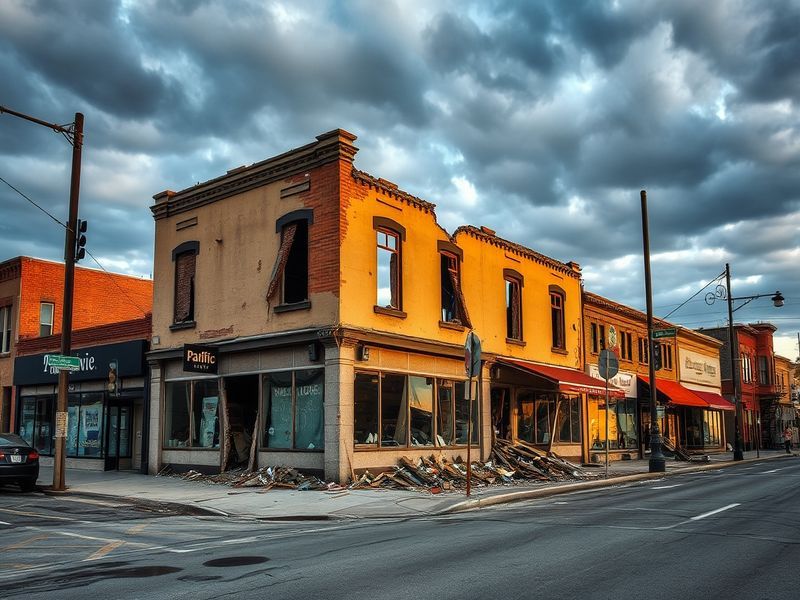
On a quiet Tuesday morning, the ground beneath Santa Cruz shifted without warning. A magnitude 4.8 earthquake struck the coastal California city, sending ripples through local communities and drawing attention to the region’s seismic vulnerabilities. While damage was minimal and no injuries were reported, the event served as a stark reminder of the natural forces that shape the landscape—and the lives—of those who call this area home.
The quake originated just a few miles offshore, its epicenter located in the Monterey Bay. Residents described feeling a sudden jolt, followed by a brief but unsettling sway. According to the U.S. Geological Survey, the temblor occurred along the San Andreas Fault system, a well-documented fracture in the Earth’s crust that has long been a source of concern for seismologists. Though relatively moderate in strength, its proximity to populated areas underscored the ever-present risk of larger, more destructive events.
The Science Behind the Shaking
Earthquakes are not uncommon in California, where tectonic plates grind against each other with relentless force. The San Andreas Fault, stretching roughly 800 miles, is one of the most famous fault lines in the world, capable of producing earthquakes that can reshape entire regions. The Santa Cruz temblor was a microcosm of this geological reality, a small but significant event in a much larger story.
Scientists classify earthquakes based on their magnitude, depth, and location. The Santa Cruz quake was shallow, occurring just 5.5 miles below the surface, which likely amplified its effects at ground level. While a 4.8 on the Richter scale may not sound severe, it is enough to rattle nerves and damage older structures. Many buildings in Santa Cruz were built before modern seismic standards were implemented, leaving them vulnerable to even moderate shaking.
In the hours following the quake, emergency services conducted inspections of critical infrastructure, including bridges, hospitals, and schools. No major issues were reported, but the event prompted discussions about preparedness. Experts emphasized that California’s next “big one”—a term locals use with a mix of dread and resignation—could strike at any time. The Santa Cruz quake was a reminder to stay vigilant.
A Global Perspective on Seismic Activity
Santa Cruz is not alone in its vulnerability to earthquakes. Cities around the world, from Tokyo to Istanbul, face similar threats, each with its own unique geological and cultural context. Japan, for example, experiences thousands of earthquakes annually, many of them minor, but the country has developed advanced early warning systems and strict building codes to mitigate risk. In contrast, regions like Nepal or Haiti, where infrastructure is less resilient, suffer far greater devastation from even moderate quakes.
Cultural attitudes toward earthquakes vary widely. In some places, they are seen as inevitable forces of nature, accepted with a shrug and a prayer. In others, they inspire fear and a sense of helplessness. The Santa Cruz quake, while minor, reignited debates about urban planning and the need for retrofitting older buildings. It also highlighted the importance of community education, as many residents admitted they were unsure of what to do during the shaking.
Globally, earthquake preparedness has become a critical issue as urbanization spreads to high-risk areas. In the United States, the Federal Emergency Management Agency (FEMA) has developed comprehensive guides for earthquake readiness, from securing heavy furniture to creating emergency supply kits. Meanwhile, countries like Chile, which experiences frequent seismic activity, have implemented strict building regulations that have saved countless lives during major quakes.
The Human Response: Resilience and Reflection
For many in Santa Cruz, the quake was a moment of pause—a chance to reflect on the fragility of human existence in the face of nature’s power. Social media lit up with firsthand accounts, as residents shared their experiences and checked on neighbors. The outpouring of support was immediate, a testament to the tight-knit communities that thrive along the California coast.
Local businesses, some of which had to close temporarily for inspections, quickly reopened, determined to return to normalcy. The quake, while disruptive, also served as a unifying force, bringing people together in a shared moment of uncertainty. In a world often divided by politics and ideology, natural disasters have a way of cutting through the noise, reminding us of our common humanity.
Yet, the event also sparked conversations about long-term resilience. How can cities like Santa Cruz better prepare for the inevitable? What lessons can be learned from other earthquake-prone regions? These questions are not just academic; they have real-world implications for the safety and well-being of millions.
Lessons for the Future
The Santa Cruz earthquake may have been minor, but its ripple effects are far-reaching. It serves as a reminder that natural disasters do not discriminate—they strike without warning, leaving communities to pick up the pieces and rebuild. For those living in earthquake-prone regions, preparedness is not optional; it is a necessity.
Experts recommend a multi-faceted approach to earthquake safety. This includes retrofitting older buildings, conducting regular drills, and ensuring that emergency services are equipped to respond quickly. Public education is also key, as many people remain unaware of the simple steps they can take to protect themselves and their families.
For those interested in learning more about earthquake preparedness, resources are available from organizations like the U.S. Department of Homeland Security and the Earthquake Country Alliance. These organizations provide detailed guides on everything from securing your home to creating an emergency plan.
The Santa Cruz quake was a wake-up call, a gentle nudge reminding us that the ground beneath our feet is not as stable as it seems. In a world where climate change and environmental degradation dominate headlines, it is easy to overlook the raw power of the Earth itself. Yet, as Santa Cruz and countless other communities have learned, nature’s forces are always at work, shaping our world in ways both profound and unpredictable.
As we move forward, the question is not whether another earthquake will strike, but how we will respond when it does. Will we be prepared? Will we come together? These are the challenges that define us—not just as individuals, but as communities and societies.